A 49-year-old Indonesian national who traveled to Russia for a construction job found himself trapped on the front lines of the war in Ukraine, according to a recent report by Japan's Yomiuri Shimbun.
The victim, Ayok Sukamto, is among a growing number of foreign nationals targeted by deceptive recruitment tactics, a practice recently condemned by the United Nations.
From Construction Site to the Front Lines
Seeking to provide for his family and fund his children’s university education, Sukamto accepted what he was told was a construction job in Russia through an acquaintance, arriving in Moscow in late June.
Upon arrival, he underwent a medical checkup and was pressured by staff to sign an employment contract written entirely in Russian. Because no translation was provided, Sukamto unknowingly signed a military service contract with the Russian Ministry of Defense.
His true situation became clear only after he was bused to the Russian-occupied Donetsk region in eastern Ukraine.
Dehumanizing Treatment and Forced Combat
Sukamto was subjected to hasty military training, forced to sleep on the streets, and provided with little more than water and occasional bread, describing his treatment as being "like an animal."
When he attempted to desert, he was quickly recaptured, beaten, and threatened with retaliation against his family back in Indonesia. Russian forces also reportedly forced him to tattoo an identification number on his chest so his body could be identified if he was killed in action.
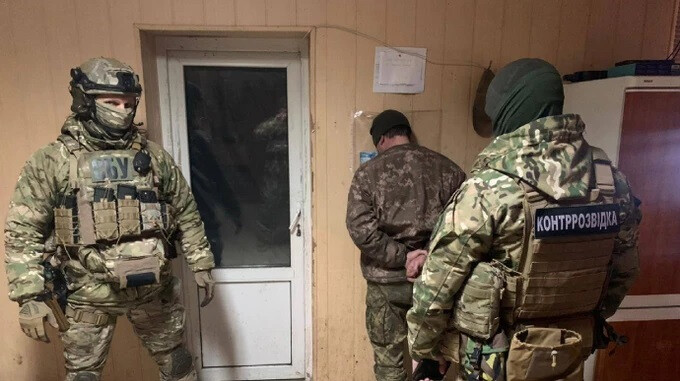
In August, Sukamto was deployed to the Zaporizhzhia front in southern Ukraine under armed guard. His opportunity for escape came when the Russian soldier guarding him was killed in a Ukrainian drone attack. Sukamto walked toward Ukrainian positions, shouting that he was Indonesian, and safely surrendered.
Family's Shock and U.N. Findings
Back in Jember, East Java, Sukamto’s 80-year-old mother and 48-year-old wife had no idea he had traveled to Russia. They only discovered his whereabouts and plight when Ukrainian forces published a video of him as a prisoner of war roughly two months ago.
Sukamto’s wife expressed deep shock upon seeing her husband drastically malnourished in the video and has tearfully appealed to authorities to help secure his safe repatriation. Prior to this, Sukamto had worked abroad as a gardener and carpenter in places like Gabon and Malaysia to support his family.
This incident aligns with broader findings by the United Nations Human Rights Council’s Independent International Commission of Inquiry on Ukraine. A report released on November 26 revealed that Russia has lured foreign nationals from 29 countries—predominantly from economically vulnerable regions in Asia and Africa—using fraudulent job advertisements before coercing them into military contracts, a practice the U.N. designates as a violation of international human rights law.
[Copyright (c) Global Economic Times. All Rights Reserved.]