![[등록] 2026-09-01 15:48:31](/support/_updata/banner2/tl181982910_6749.png)


Gyeongsangbuk-do has achieved a major milestone in its regional tourism strategy, successfully securing selections for two out of five regional tourism zones under the Ministry of Culture, Sports and Tourism's "Regional Airport-Centric 5 Mega Tourism Zones" initiative.
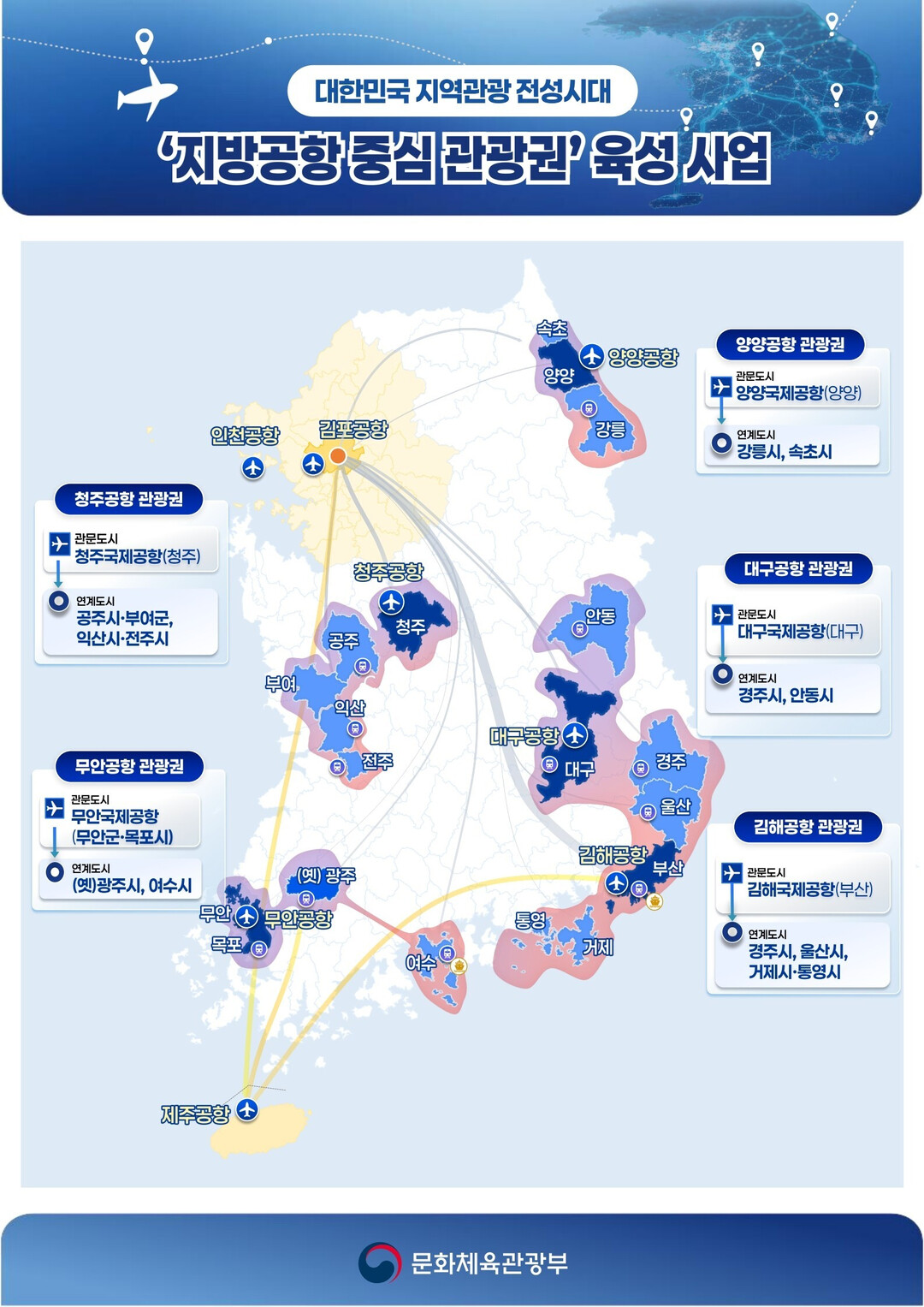
The two newly designated zones—the Gimhae Airport Tourism Zone (encompassing Busan, Gyeongju, Ulsan, Geoje, and Tongyeong) and the Daegu Airport Tourism Zone (encompassing Daegu, Andong, and Gyeongju)—place Gyeongju in the unique position of being the only city nationwide to be included in multiple mega tourism zones. This dual designation, following Gyeongju's selection as a Global Tourism Special Zone earlier this year, cements the city's status as a powerhouse in international tourism.
Breaking Away from Capital-Centric Tourism Through Super-Regional Cooperation
Until recently, inbound tourism in South Korea has suffered from heavy centralization in the Seoul metropolitan area. The latest mega tourism project aims to dismantle this imbalance by establishing Gyeongbuk and its neighboring metropolitan cities as the nation's second major inbound tourism hub. By moving beyond traditional, fragmented municipal tourism frameworks, Gyeongbuk has secured an expansive, super-regional consumer market that integrates seamlessly with Daegu, Busan, Ulsan, and Gyeongsangnam-do.
Under this blueprint, Gyeongju will simultaneously capture maritime inbound travelers arriving via Gimhae Airport and inland travelers entering through Daegu Airport. Meanwhile, Andong—which has seen a surge in global brand awareness and foreign interest following recent diplomatic milestones—is poised to accelerate its transition into a world-class cultural destination. Although Pohang was not included in the initial selection, provincial authorities plan to collaborate closely to integrate Pohang as a premier cruise port tied to the scheduled opening of Yeongilman Airport in 2028.
This competitive edge is the product of sustained strategic planning initiated last year by Gyeongsangbuk-do, local research institutes, and the Gyeongbuk Culture and Tourism Organization, alongside proactive cooperative frameworks established with Daegu and Busan. Beginning in late 2026, the province will partner with the Ministry of Culture, Sports and Tourism, the Korea Tourism Organization, and relevant municipal governments to craft concrete mid-to-long-term execution strategies spanning from 2027 to 2030, laying the groundwork for intensive regional tourism development.
A 93.5 Billion Won Initiative to Build Korea’s Ultimate "Golden Routes"
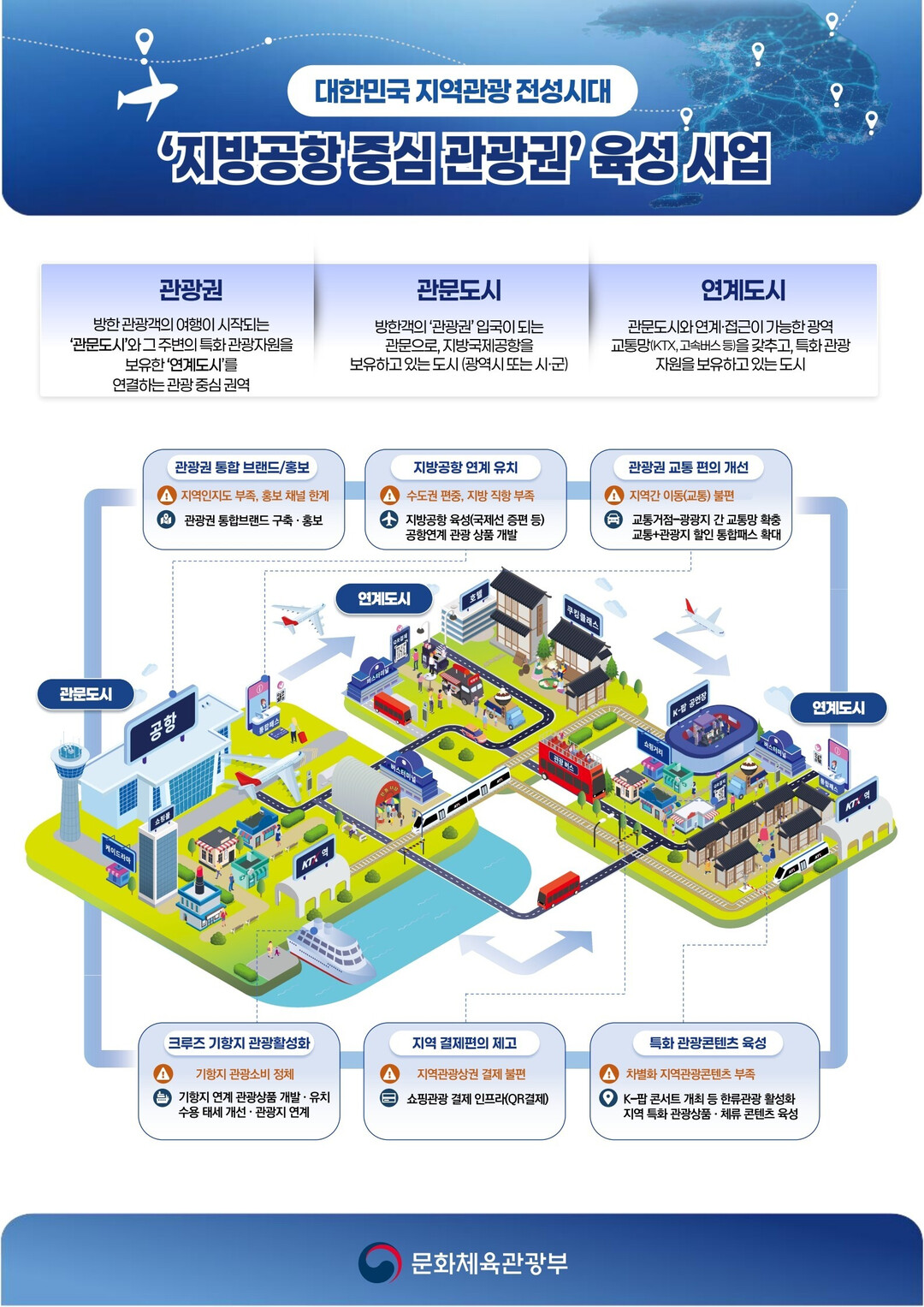
The Ministry of Culture, Sports and Tourism’s mega tourism project is designed to redirect the rapid growth of South Korea's inbound tourism industry into regional economies. The core strategy connects gateway cities housing regional airports with partner cities rich in specialized cultural assets to construct definitive "Golden Routes" for international visitors.
The initiative delivers a comprehensive, traveler-centric support package backed by a total investment of 93.5 billion won (including 65.9 billion won in national funds and 27.6 billion won in local funds) for 2027 alone, with provisions for future expansion based on performance. Key programmatic pillars include:
Unified global branding and overseas marketing campaigns
Airport-linked facilitation to draw foreign tourists directly to regional destinations
Upgraded transport and payment infrastructure, such as the introduction of integrated passes for foreign visitors
The development of specialized cultural contents, K-Wave (Hallyu) tourism experiences, and K-Food culinary trails
Tailored shore excursions and port-of-call tourism programs
Park Chan-woo, Director-General of the Culture, Sports, and Tourism Bureau at Gyeongsangbuk-do, emphasized the significance of the achievement, stating that the simultaneous selection of two mega tourism zones marks a turning point for Gyeongbuk to emerge as the nation's secondary tourism stronghold. Leveraging the region's peerless UNESCO World Heritage sites, rich K-culture assets, and unique tourism resources, the province aims to complete the ultimate tourism golden route that draws global travelers and ensures economic benefits ripple across the entire provincial domain.
[Copyright (c) Global Economic Times. All Rights Reserved.]