![[등록] 2026-09-01 15:48:31](/support/_updata/banner2/tl181982910_6749.png)


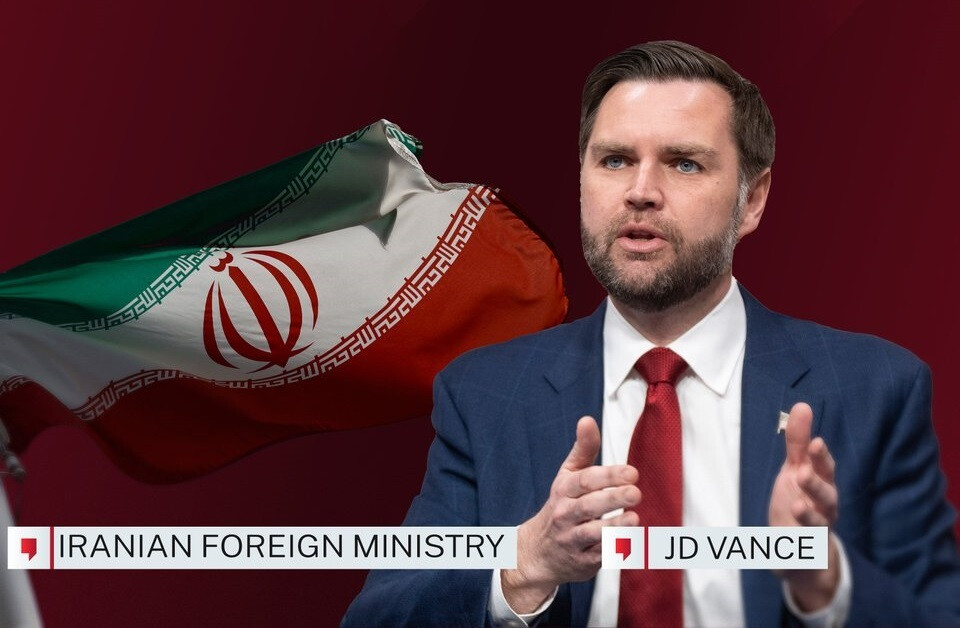
WASHINGTON D.C. – Vice President J.D. Vance stated on Monday that the future of peace negotiations with Iran now rests entirely with Tehran, following a premature exit from high-stakes talks in Islamabad, Pakistan.
In an exclusive interview with Fox News on April 13 (local time), Vance clarified the U.S. position after two days of face-to-face meetings. He explained that the U.S. delegation decided to leave the table after realizing the Iranian representatives lacked the mandate to finalize a deal.
"The local negotiating team simply didn't have the authority to pull the trigger," Vance said. "They had to return to Tehran to seek approval from the Supreme Leader for the terms we laid out. We figured out their playbook, and that’s why we left."
The Terms of the Deal The U.S. demands reportedly include the removal of Iran’s highly enriched uranium from its territory and the relinquishment of Iranian control over the Strait of Hormuz. Furthermore, reports indicate that the U.S. is pushing for a 20-year moratorium on all Iranian uranium enrichment activities.
Despite the lack of an immediate agreement, Vance refused to label the mission a failure. "We made our position crystal clear. Communicating our red lines directly is progress in itself," he noted.
On the Pope and Hungary During the interview, the Vice President also addressed the recent public friction between President Donald Trump and Pope Leo XIV regarding the conflict. Vance suggested that while the Vatican and the U.S. government occasionally align, friction is inevitable when "moral concerns" clash with "public policy."
Vance also commented on the recent political shift in Hungary, expressing regret over Prime Minister Viktor Orbán’s electoral defeat. While praising Orbán as a "great leader," he maintained that the U.S. is prepared to cooperate with the incoming Hungarian administration.
Future Outlook With the U.S. delegation back in Washington, the international community is watching Tehran. Vance emphasized that the U.S. has offered significant concessions and will not move further until Iran shows a serious commitment to the proposed terms. "We’ve put a lot on the table," Vance concluded. "Now, the ball is in Iran's court."
[Copyright (c) Global Economic Times. All Rights Reserved.]