• 2026.11.11 (Wed)
  • All articles
  • LOGIN
  • JOIN
Global Economic Times
[등록] 2026-09-01 15:48:31
  • Synthesis
  • World
  • Business
  • Industry
  • ICT
  • Distribution Economy
  • Well+Being
    • Pet Life
    • Halal Horizon
  • Travel
  • Eco-News
  • Education
  • Korean Wave News
  • Opinion
  • Arts&Culture
  • Sports
  • People & Life
    • International Student Report
    • With Ambassador
  • Column
    • Cho Kijo Column
    • Cherry Garden Story
    • Ko Yong-chul Column
    • Kim Bong-seon's Photo Column
    • Kim Seul-Ong Column
    • Lee Yeon-sil Column
  • Photo News
  • New Book Guide
MENU
 
Home > World

Tehran Sets Strict 60-Day Deadline for Free Passage in Strait of Hormuz Amid Stalled Peace Talks

Eugenio Rodolfo Sanabria Reporter / Updated : 2026-07-01 09:19:11
  • -
  • +
  • Print


TEHRAN — In a move that significantly escalates tensions surrounding the world’s most critical maritime chokepoint, Iranian parliamentary speaker and chief negotiator Mohammad Bagher Ghalibaf declared on Monday that the grace period for toll-free passage through the Strait of Hormuz is strictly limited to 60 days.

During a televised address to the nation, Ghalibaf framed the temporary suspension of transit fees as a humanitarian gesture toward regional neighbors. "Under the terms of the signed Memorandum of Understanding (MOU), free transit through the Strait of Hormuz is authorized solely for a 60-day window," Ghalibaf said. "This decision was made in response to the urgent requests of Persian Gulf littoral states, specifically to allow the safe passage of commercial vessels that have been stranded in the region since the outbreak of hostilities."

The declaration serves as a stark reminder of Iran’s assertive stance on maritime sovereignty. Ghalibaf reiterated that legal jurisdiction over the strait remains exclusively with Iran and Oman. While acknowledging that Tehran consults with other regional players, he maintained that the final word on navigation procedures rests entirely with the Iranian authorities. "The Strait of Hormuz is within Iranian territorial waters, and under no circumstances will Iran relinquish its inherent rights over this waterway," he asserted.

No Ongoing Diplomatic Negotiations

Addressing the current state of relations with Washington, Ghalibaf sought to dampen expectations for a broader diplomatic thaw. He clarified that direct negotiations with the United States concluded at the moment the initial MOUs were signed.

"There are currently no active negotiations taking place with the U.S.," Ghalibaf stated. "My recent visit to Switzerland was strictly limited to discussing the implementation of the five existing MOU clauses. We will not engage in any additional negotiations until the conditions stipulated in the current agreement are fully met."

A Warning of Retaliation

The tone of the speech took a sharp turn toward military deterrence as Ghalibaf condemned recent incidents in the Persian Gulf, labeling them as violations of the ceasefire agreement. He signaled that Tehran is prepared to defend its interests with force should the status quo be disrupted.

"We view recent events in the Persian Gulf as clear breaches of the peace agreement and we will respond with resolve," Ghalibaf warned. He explicitly pointed to U.S. military installations in Bahrain and Kuwait as potential targets in the event of further provocations. "This process demonstrates that we are sincere in our commitment to the agreement. We are engaged in dialogue, but if the other side fails to honor its promises, we are fully prepared to return to war."

Criticism of Israel

Ghalibaf concluded his address by framing the peace MOU as a definitive strategic defeat for the United States and Israel. He accused the "Zionist regime" of actively working to sabotage the agreement, citing recent Israeli military maneuvers in Lebanon as evidence of a desire to collapse the fragile peace.

As the 60-day clock begins to tick, international observers fear that the expiration of this grace period could herald a new phase of instability. With global energy markets heavily dependent on the free flow of oil through the Strait of Hormuz, the international community is watching Tehran’s next move with intense scrutiny. For now, the message from the Iranian capital is clear: the path to peace remains contingent upon strict adherence to Iran’s terms, and the threshold for renewed conflict is razor-thin.

[Copyright (c) Global Economic Times. All Rights Reserved.]

  • #Hormuz Impasse
  • #globaleconomictimes
  • #micorea
  • #mykorea
  • #nammidonganews
  • #singaporenewsk
  • #Samsung
  • #Daewoo
  • #Hyos
Eugenio Rodolfo Sanabria Reporter

Popular articles

  • Nearly 900 Schools Temporarily Closed as 'Flu' Epidemic Sweeps Japan

  • AI Companies Rush to Go Public, But Face Sudden Brakes Amid Cooling Investor Sentiment

  • Singapore and Brunei Sign Landmark MOU on Mutual Recognition of Halal Certificates

I like it
Share
  • Facebook
  • X
  • Kakaotalk
  • LINE
  • BAND
  • NAVER
  • https://www.globaleconomictimes.kr/article/1065572275376891 Copy URL copied.
Comments >

Comments 0

Weekly Hot Issue

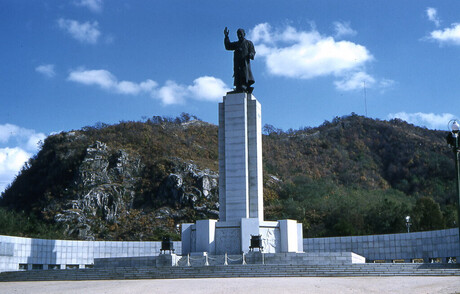
  • Inha University Caught in Campus Culture Clash Over Proposed Rhee Syng-man Statue Revival
  • Honoring a Legacy: Poet Oh Dong-chun Recognized for Lifelong Dedication to Hangul and Sijo Poetry
  • Bongeunsa Temple to Host 2026 Patriotic Buddhism Cultural Festa
  • South Korea Confronts a Growing Health Crisis as Adult Obesity Rates Surge
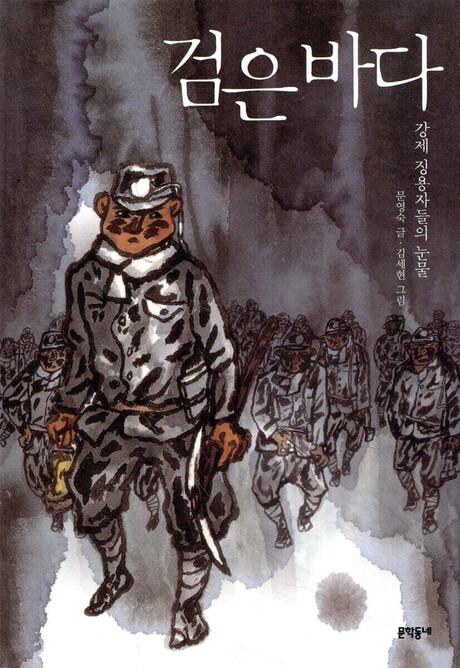
  • Pain of Chosei Coal Mine Meets Japanese Readers: Moon Young-sook Publishes Japanese Edition of 'Black Sea'
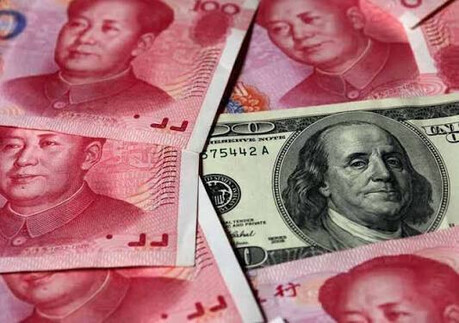
  • Beyond the Trillion-Dollar Mark: China’s Trade Surplus and the Debate Over Global Economic Dominance

Most Viewed

1
US Army Conducts Rare Temporary Burial Drills to Prepare for Worst-Case Large-Scale War Scenarios
2
World Citizens are Flying Directly to Busan... The Era of 4 Million Foreigners is Just Around the Corner
3
Eating 100g of Baechu Kimchi Daily Linked to Lower High-Cholesterol Risks
4
Meeting Christmas Early!… Busan Dessert Sales Event "Daldal The Market" Held
5
November Shopping Festival Sparks Retail War in South Korea: Where to Find the Best Deals
체리가든 스토리
nutri huevos
로타리
동포저널

Hot Issue

Jensen Huang Faces Shareholder Class Action and Leadership Scrutiny Amid Espionage Allegations Involving Former Associate

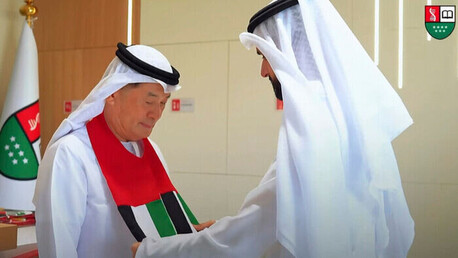
Disgraced South Korean Scientist Hwang Woo-suk Becomes UAE Citizen

Is South Korea Heading Toward France's Path? Aging Population and Fiscal Pressures Looming Ahead

Fashion Runway Show 2026

Let’s recycle the old blankets in Jeju Island’s closet instead of incinerating them.

Global Economic Times
korocamia@naver.com
CEO : LEE YEON-SIL
Publisher : KO YONG-CHUL
Registration number : Seoul, A55681
Registration Date : 2024-10-24
Youth Protection Manager: KO YONG-CHUL
Singapore Headquarters
5A Woodlands Road #11-34 The Tennery. S'677728
Korean Branch
Phone : +82(0)10 4724 5264
#304, 6 Nonhyeon-ro 111-gil, Gangnam-gu, Seoul
Copyright © Global Economic Times All Rights Reserved
  • News K
  • 반달곰 프로젝트
  • 광고문의
Search
Category
  • All articles
  • Synthesis
  • World
  • Business
  • Industry
  • ICT
  • Distribution Economy
  • Well+Being 
    • 전체
    • Pet Life
    • Halal Horizon
  • Travel
  • Eco-News
  • Education
  • Korean Wave News
  • Opinion
  • Arts&Culture
  • Sports
  • People & Life 
    • 전체
    • International Student Report
    • With Ambassador
  • Column 
    • 전체
    • Cho Kijo Column
    • Cherry Garden Story
    • Ko Yong-chul Column
    • Kim Bong-seon's Photo Column
    • Kim Seul-Ong Column
    • Lee Yeon-sil Column
  • Photo News
  • New Book Guide
  • Overseas Koreans
  • Multicultural News