• 2025.12.17 (Wed)
  • All articles
  • LOGIN
  • JOIN
Global Economic Times
APEC2025KOREA가이드북
  • Synthesis
  • World
  • Business
  • Industry
  • ICT
  • Distribution Economy
  • Well+Being
  • Travel
  • Eco-News
  • Education
  • Korean Wave News
  • Opinion
  • Arts&Culture
  • Sports
  • People & Life
  • Column
    • Cho Kijo Column
    • Lee Yeon-sil Column
    • Ko Yong-chul Column
    • Cherry Garden Story
  • Photo News
  • New Book Guide
MENU
 
Home > World

WWF Highlights Sustainable Foods in Korea

Pedro Espinola Special Correspondent / Updated : 2024-11-02 10:10:51
  • -
  • +
  • Print


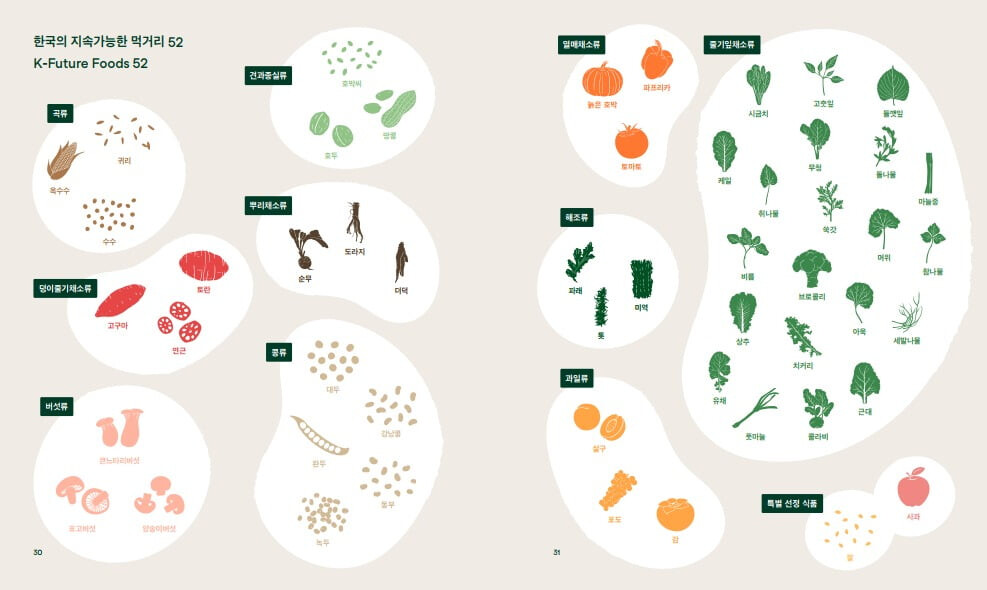
The World Wildlife Fund (WWF) has released a report highlighting 52 sustainable plant-based foods in Korea, known as "K-Future Foods." The report, developed in collaboration with Seoul National University and E-mart, aims to promote healthier and more environmentally friendly dietary choices.

The selected foods were chosen based on a comprehensive assessment of various factors, including environmental impact, nutritional value, and cultural suitability. These factors were evaluated using a database that analyzed the production and consumption data of each food, as well as its greenhouse gas emissions, land use, and water usage.

Some of the standout foods include oats, millet, soybeans, broccoli, butternut squash, and various types of seaweed. Oats and millet were praised for their high fiber and protein content, while soybeans were recognized as a sustainable alternative to meat. Broccoli and butternut squash were highlighted for their nutritional value and low environmental impact.

Seaweed, such as laver, hijiki, and wakame, was particularly praised for its ability to purify the water, reduce greenhouse gas emissions, and absorb carbon dioxide, thereby mitigating climate change.

In terms of nutritional value, spinach, gochugaru (Korean red pepper) leaves, oats, perilla leaves, and radish greens topped the list. Notably, gochugaru leaves, often considered a byproduct, were found to be one of the richest natural sources of calcium among the 52 foods, second only to seaweed.

The report emphasizes the significant environmental impact of the global food system. Food production accounts for approximately 27% of global greenhouse gas emissions and consumes about 70% of the world's freshwater. Additionally, the conversion of natural habitats for agriculture is a major driver of biodiversity loss.

By promoting the consumption of sustainable foods, the WWF aims to address these environmental challenges and contribute to a more sustainable future.

[Copyright (c) Global Economic Times. All Rights Reserved.]

Pedro Espinola Special Correspondent

Popular articles

  • Forging the Drone Warfighter: USAREUR-AF Launches Inaugural Competition in Germany, Stressing Integrated Lethality

  • Trump Vows Permanent 'Third World' Immigration Ban, Mass Deportations Following Fatal Shooting

  • Louvre Museum Rocked by New Crisis: Leak Damages Hundreds of Rare Egyptian Studies Texts

I like it
Share
  • Facebook
  • X
  • Kakaotalk
  • LINE
  • BAND
  • NAVER
  • https://www.globaleconomictimes.kr/article/1065575399902490 Copy URL copied.
Comments >

Comments 0

Weekly Hot Issue

  • 'AI' Dominates 2025 Book Titles in South Korea
  • End-of-Year Concert Extravaganza: Jo Sumi, Geum Nan-sae, and Danny Koo Headline Diverse Lineup
  • R.E.D. Sectors Poised for Growth in 2026, the Year of the 'Red Horse,' Driven by AI Investment Boom
  • South Korea Launches $115 Million Export Voucher Program to Boost SME Global Reach
  • Extension Granted for '2026 Honors for SME Contributors' Application
  • 44% of Recent Construction Projects Report Deficits, Industry Survey Finds

Most Viewed

1
Choi Bun-do, Chairman of PTV Group, Assumes Presidency of the Korean Chamber of Commerce and Industry in South Central Vietnam
2
From Court to Content: French Tennis Star Océane Dodin Trades Racquet for OnlyFans, Eyes $5M in a Year
3
Lee Dismisses Vice Minister Amid Allegations of Misconduct and Vetting Gaps
4
NVIDIA Lobby Succeeds? U.S. Bill Expected to Drop AI Chip Export Restrictions
5
US Layoffs Surge: Over 1.17 Million Job Cuts Announced in First 11 Months of 2025
광고문의
임시1
임시3
임시2

Hot Issue

South Korean AI Models Flunk College Entrance Math Exams, Lagging Far Behind Global Leaders

KRX Temporarily Slashes Stock Trading Fees by 20-40% to Counter ATS Rival

Israel Condemns Australia After Sydney Shooting, Citing 'Fueling' of Anti-Semitism

Lotte Mart Launches Major Imported Fruit Discount Event Amid High Prices

Let’s recycle the old blankets in Jeju Island’s closet instead of incinerating them.

Global Economic Times
korocamia@naver.com
CEO : LEE YEON-SIL
Publisher : KO YONG-CHUL
Registration number : Seoul, A55681
Registration Date : 2024-10-24
Youth Protection Manager: KO YONG-CHUL
Singapore Headquarters
5A Woodlands Road #11-34 The Tennery. S'677728
Korean Branch
Phone : +82(0)10 4724 5264
#304, 6 Nonhyeon-ro 111-gil, Gangnam-gu, Seoul
Copyright © Global Economic Times All Rights Reserved
  • 에이펙2025
  • APEC2025가이드북TV
  • 독도는우리땅
Search
Category
  • All articles
  • Synthesis
  • World
  • Business
  • Industry
  • ICT
  • Distribution Economy
  • Well+Being
  • Travel
  • Eco-News
  • Education
  • Korean Wave News
  • Opinion
  • Arts&Culture
  • Sports
  • People & Life
  • Column 
    • 전체
    • Cho Kijo Column
    • Lee Yeon-sil Column
    • Ko Yong-chul Column
    • Cherry Garden Story
  • Photo News
  • New Book Guide
  • Multicultural News
  • Jobs & Workers