![[등록] 2026-09-01 15:48:31](/support/_updata/banner2/tl181982910_6749.png)


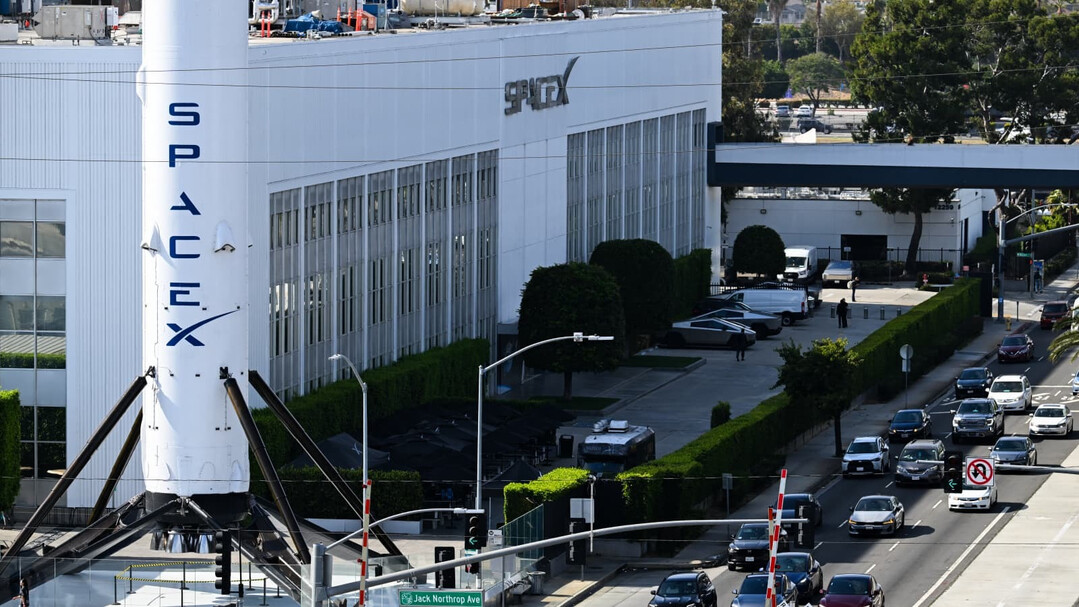
NEW YORK — As the fervor surrounding the recent SpaceX initial public offering (IPO) continues to capture global attention, a stark divide has emerged between how retail investors and institutional giants are permitted to handle their shares. While individual investors are being hit with stringent penalties for "flipping"—the practice of selling shares shortly after an IPO—institutional players remain largely unfettered, sparking intense debate over market fairness.
SpaceX, which made its highly anticipated Nasdaq debut on June 12, saw its stock price climb by 19.3% to close at $160.95 on its first day, followed by another 19.6% jump to $192.50 by the second day of trading. With 20% of the IPO allocation set aside for retail investors—a figure notably higher than most large-scale offerings—many individuals saw an opportunity for significant gains.
However, the reality for these retail participants is far more restrictive than it appears. Major American investment platforms, including Fidelity, Robinhood, E-Trade, and SoFi, have enforced strict "holding periods" on SpaceX shares acquired through the IPO. Depending on the platform, these investors are prohibited from selling their shares for a period ranging from 15 to 30 days.
The repercussions for violating these terms are severe. Fidelity, for instance, imposes a tiered penalty system: violators face suspension from future IPO participation for six months for a first offense, with repeat violations potentially leading to a permanent ban linked to their Social Security number. Other platforms have similar strictures, with SoFi threatening a permanent ban after three violations. These rules, intended to stabilize the stock price post-listing, apply exclusively to those who were allocated shares at the offering price, not to those who purchased them on the open market after the listing.
In contrast, institutional investors such as BlackRock and Citadel face virtually no such restrictions. As "whale" clients who generate significant commission revenue for underwriting banks, these hedge funds and asset managers are often permitted to sell their entire holdings on the very day of the listing.
"I am planning to sell and cash out my entire position within five days," a manager at one asset management firm that was allocated approximately $300 million worth of SpaceX IPO shares said on condition of anonymity.
Jay Ritter, a finance professor at the University of Florida and a renowned expert on IPOs, noted the inherent imbalance in the current system. "While retail investors face rigid anti-flipping restrictions, hedge funds, as major revenue generators for underwriters, operate under a different set of rules," Ritter remarked.
This dynamic creates a significant "opportunity cost" for retail investors. Large IPO stocks are frequently added to major market indices within two weeks of listing, which typically triggers a surge of buying from passive investment funds. Institutional investors are well-positioned to capitalize on this increased demand by timing their exits. Conversely, retail investors who are locked into mandatory holding periods are prevented from liquidating their positions at these strategic peaks.
Critics argue that this structure effectively renders retail investors as "cannon fodder" for the market. Emile Barr, a 23-year-old entrepreneur who deposited $500,000 into the IPO, expressed frustration over the disparity. "The possibility of having my entire trading account restricted for a minor move is excessively punitive," Barr said. "It feels as if the underwriters are using retail investors to provide market stability while allowing the real players to exit at their convenience."
While the Financial Industry Regulatory Authority (FINRA) defines flipping within 30 days of an IPO as a specific practice, there are no federal laws mandating these restrictions. Instead, the limitations are self-imposed by brokerages and underwriters to ensure price stability.
This scenario stands in stark contrast to the South Korean market, where individual investors are free to sell their allocated IPO shares immediately upon listing. In Korea, regulatory efforts are primarily focused on preventing institutional "flipping" through mandatory holding requirements, a policy designed to protect retail participants rather than burden them.
As the debate intensifies, the SpaceX IPO has highlighted a broader concern regarding the accessibility and fairness of the initial public offering process. For many individual investors, the path to wealth creation through IPOs remains obstructed by a two-tiered system that appears to favor institutional interests at the expense of the retail community.
[Copyright (c) Global Economic Times. All Rights Reserved.]