![[등록] 2026-09-01 15:48:31](/support/_updata/banner2/tl181982910_6749.png)


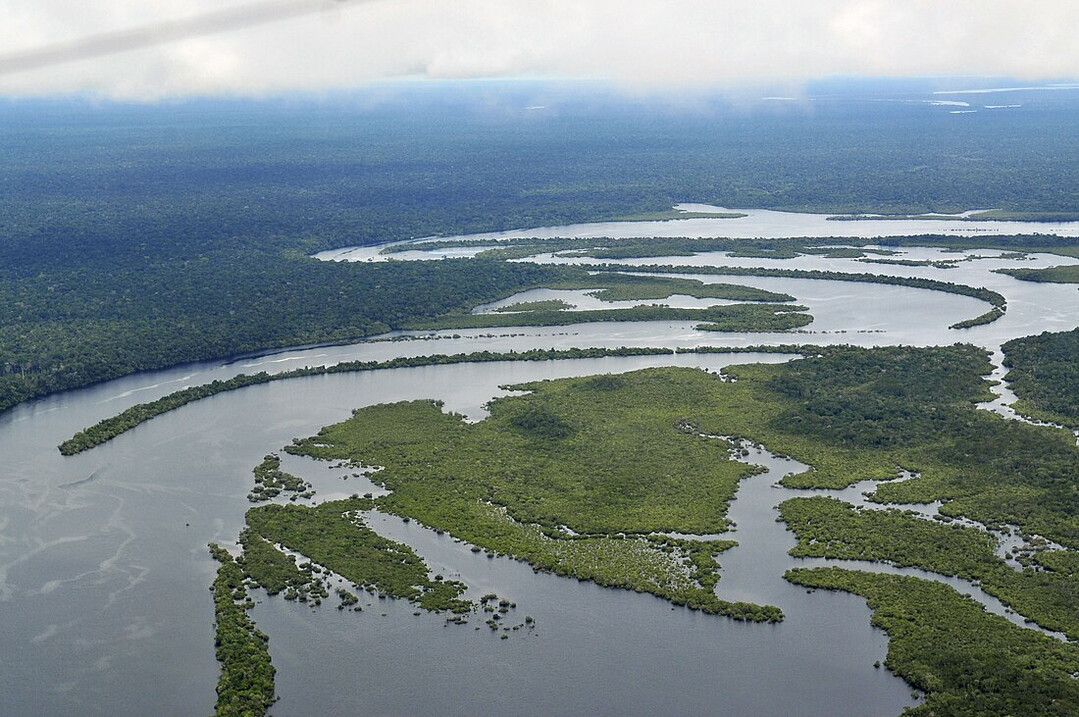
São Paulo, Brazil – A recent study has raised alarming concerns about the impact of groundwater extraction on Brazil's rivers, revealing that unsustainable well pumping is causing significant water loss in many regions. The findings highlight a growing crisis that threatens water supplies, agriculture, and even public health, particularly in already arid areas.
A Hidden Connection
The research, published in Nature Communications, was spurred by the work of Paulo Tarso Oliveira, a hydrology professor at the Universidade de São Paulo. Oliveira's initial investigation into a village along the São Francisco River, where residents suffered from high blood pressure linked to saline intrusion in their water supply, revealed a critical connection between surface water and groundwater.
"Oftentimes, people don't realize, but surface and groundwater are connected and must be seen as an entirety," Oliveira explained.
This interconnectedness is key. Rivers can lose water into underlying aquifers through a process called streamflow leakage. While this occurs naturally, excessive pumping from wells can exacerbate the problem, drawing water away from rivers and depleting their flow.
Mapping the Problem
Oliveira and his master's student, José Gescilam Uchôa, undertook a large-scale mapping project to pinpoint areas at risk. Analyzing data from the Geological Survey of Brazil, they compared water levels in wells with the elevation of nearby streams. Their findings were stark: in 55% of the 18,000 wells studied, water levels were lower than the elevation of adjacent streams, indicating a significant flow of water from rivers into aquifers.
"Our data suggest that the groundwater use is significantly impacting the rivers' streamflow," Uchôa stated. "This is and will continue to be a growing worry for water management in the country."
Critical Regions Identified
The study identified critical regions where the problem is most acute. The São Francisco basin, a major river system in northeastern Brazil, is among the hardest hit, with over 60% of rivers potentially losing water due to extensive groundwater pumping, primarily for irrigation. In the Verde Grande basin, where irrigation accounts for 90% of water consumption, that figure rises to 74%.
The Shadow of Illegal Wells
The researchers caution that their findings may even underestimate the severity of the situation. Geologist Ricardo Hirata, also at the Universidade de São Paulo, estimates that a staggering 88% of Brazil's 2.5 million wells are illegal, operating without licenses or registration. These unregulated wells, not included in the study, likely contribute significantly to the problem.
Hirata emphasized that while the study identifies potential water loss, determining whether rivers are actually drying up requires further analysis, considering factors such as extraction rates, aquifer connectivity, and seasonal variations.
Beyond Water Loss: A Cascade of Consequences
The consequences of excessive groundwater extraction extend beyond dwindling river flows. They include:
Public Health Risks: As seen in the São Francisco case, saltwater intrusion can contaminate water supplies, leading to health problems.
Agricultural Impacts: Water scarcity directly affects irrigation, threatening food production and the livelihoods of farmers.
Land Instability: In extreme cases, over-pumping can lead to soil compaction and ground subsidence, as seen in other countries.
A Looming Crisis
The situation is likely to worsen. The Brazilian water agency projects that irrigated land areas will expand by over 50% in the next two decades, inevitably increasing the demand for groundwater.
"We will likely see a vicious cycle of degradation, where a decrease in surface water quality and quantity, coupled with an increase in drought periods, will force farmers to drill more wells for food production, further intensifying groundwater extraction and exacerbating the problem," Oliveira warned.
Call for Action
Experts are calling for urgent action to address the crisis. This includes:
Increased Monitoring: Brazil needs a more robust system for monitoring wells. With only 500 government-monitored wells compared to 18,000 in the United States (despite similar land areas), the need for investment in surveillance is clear.
Further Research: More localized studies are needed to understand the specific dynamics of water loss in different regions, taking into account climate and seasonal variations.
Stricter Regulations: Enforcement of regulations on well drilling and water extraction is crucial to curb illegal activities and ensure sustainable water management.
Brazil, despite holding 12% of the world's renewable water resources, faces a critical challenge. The failure to address groundwater overexploitation could lead to devastating consequences for its environment, economy, and people.
[Copyright (c) Global Economic Times. All Rights Reserved.]