![[등록] 2026-09-01 15:48:31](/support/_updata/banner2/tl181982910_6749.png)


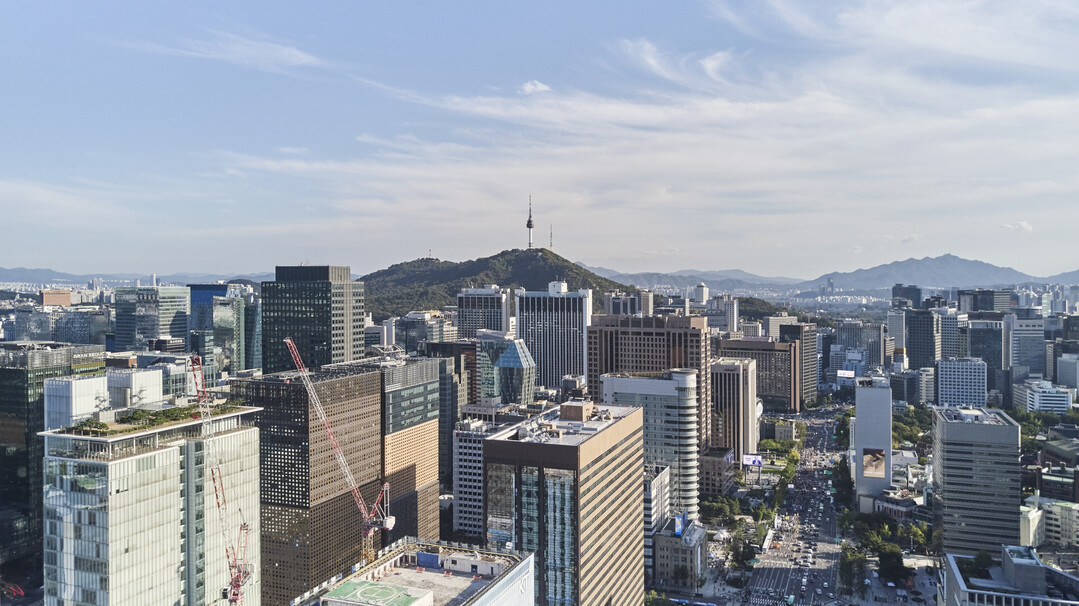
A recent corporate performance analysis has revealed a stark polarization among South Korea’s top-tier enterprises, showcasing a select group of resilient long-term profit champions while others struggle through protracted deficits.
According to market research firm CEO Score on September 23, an evaluation of separate financial statements from 351 companies—out of South Korea’s top 500 enterprises by revenue that submitted semi-annual reports—covering the period from the first quarter of 2000 to the second quarter of this year, highlighted significant shifts in corporate stability.
The data demonstrated that seven major corporations have maintained an unbroken streak of operating profits for 106 consecutive quarters. This elite group includes Korea Zinc, Hyundai Mobis, KT&G, S1, Shinsegae, CJ ENM, and Hansae. Having steered clear of operational losses for over two decades across 106 reporting periods, these companies underscore exceptional fiscal management and steady demand in their respective industries.
Further expanding the scope to ultra-consistent performers, Samsung Fire & Marine Insurance posted 105 consecutive quarters of profit, followed by Kumho Petrochemical with 103 quarters, and Kwang Dong Pharmaceutical alongside Korea Steel, which both recorded 102 quarters. In total, 11 companies have achieved the milestone of staying in the black for over 100 consecutive quarters.
Broadening the timeline to a five-year horizon (20 quarters or more), 117 enterprises—accounting for 33.3% of the total surveyed cohort—successfully maintained continuous operating profits. Meanwhile, 71 companies (20.2%) sustained profitability for a decade or more (40 quarters), and 11 firms (3.1%) secured their winning streaks past the 25-year mark (100 quarters). Furthermore, 15 companies have never reported an operating loss since their initial foundation. Among them, Hyundai Department Store led the pack with 95 consecutive quarters of profit since inception, trailed by Youngone Corporation (68 quarters), Sunjin and KB Kookmin Card (62 quarters each), Chong Kun Dang (51 quarters), and Cosmax (50 quarters).
However, the survey also captured notable casualties where long-standing profitability lines were abruptly broken. SK Telecom, which enjoyed an impressive run of 102 consecutive quarters of operating profit from 2000 through the second quarter of last year, suffered a deficit in the third quarter due to subscriber fee reductions associated with USIM hacking compensation issues. Although SK Telecom successfully rebounded into the black for three straight quarters from the fourth quarter of last year through the second quarter of this year, its legendary uninterrupted streak was unfortunately halted.
Conversely, structural downturns continued to plague traditional manufacturing sectors such as secondary batteries and petrochemicals. LG Energy Solution logged 20 consecutive quarters of operating losses, standing out as the only enterprise in the survey to record an uninterrupted slump spanning over five years. Yeochun NCC followed closely with 19 consecutive quarters in the red, alongside Samsung SDI at 8 quarters and Emart24 at 6 quarters. Shorter-term deficits were also visible, with LX International and Taekwang Industrial posting 5 consecutive quarters of losses, while Toss operator Viva Republica, Hyundai Transys, and Asiana Airlines each recorded 4 quarters of negative operating income.
The landscape shifted further in the second quarter of this year, with 23 additional companies newly turning to operational deficits. Notable names entering the red zone include LG الجهاز (LG Electronics), Jeju Air, POSCO Holdings, K Car, Meritz Financial Group, Hana Financial Group, Korea Financial Group, Shinhan Financial Group, HD Korea Shipbuilding & Offshore Engineering, SK ecoplant, SK Gas, and Daehan Yukwha.
Notably, POSCO Holdings saw its remarkable 23-quarter unbroken profit streak come to an end, while K Car's unbroken run since its initial public reporting period was similarly severed after 18 quarters. Samlip also transitioned into consecutive quarters of losses, having slipped into the red in the first quarter of this year after maintaining 92 consecutive quarters of profitability, a downward trend that persisted into the second quarter.
Industry analysts point out that while export-driven giants and diversified consumer staples continue to display remarkable defensive attributes against macroeconomic volatility, capital-intensive heavy industries and consumer-facing segments are bearing the brunt of shifting global demands and cost pressures. As economic uncertainties linger, corporate survival increasingly hinges on swift structural adaptations rather than relying solely on historical cushions.
[Copyright (c) Global Economic Times. All Rights Reserved.]