![[등록] 2026-09-01 15:48:31](/support/_updata/banner2/tl181982910_6749.png)


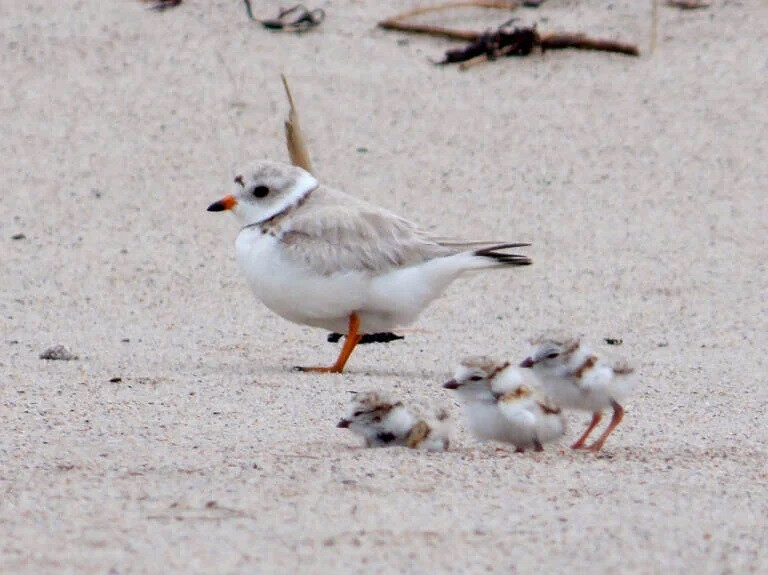
Cape Henlopen, DE – The Delaware Department of Natural Resources and Environmental Control (DNREC) is urgently seeking compassionate volunteers to participate in vital conservation efforts aimed at protecting Delaware's fragile beach-nesting bird populations. Among the species requiring assistance are the federally threatened piping plover and the state-endangered American oystercatcher, both facing significant challenges in their struggle to survive and reproduce on the state's coastline.
DNREC's Division of Fish and Wildlife will host a comprehensive training session for prospective volunteers on Saturday, May 3rd, from 10 a.m. to noon at the Officers Club Mess Hall within Cape Henlopen State Park. This initiative marks the agency's annual commitment to monitoring and safeguarding these delicate avian species throughout their critical summer nesting season.
Volunteers play an indispensable role in DNREC's conservation strategy. Stationed strategically near designated nesting areas along Delaware's picturesque beaches, these dedicated individuals serve as crucial on-the-ground monitors. Their primary responsibility involves engaging with the public, raising awareness about temporary beach closures implemented to protect nesting sites, and eloquently explaining the paramount importance of minimizing human disturbances that can severely jeopardize the nesting success of these vulnerable shorebirds.
The upcoming training session will commence with light refreshments, fostering a welcoming environment for participants. Following this, a detailed slideshow presentation will provide essential information about Delaware's beach-nesting birds, their ecological significance, and the specific threats they encounter. A thorough discussion will then ensue, outlining the monitoring program's objectives and the vital responsibilities entrusted to volunteers.
Weather permitting, the training will offer a unique opportunity for participants to venture out to the Point at Cape Henlopen. This prime location provides an excellent chance to observe piping plovers and other fascinating shorebird species in their natural feeding habitats along the tidal flats. While binoculars will be available for shared use, attendees are strongly encouraged to bring their own optics if they possess them, enhancing their observation experience.
DNREC encourages interested individuals to submit an interest form prior to the training session to facilitate adequate preparation of materials. However, recognizing the spontaneous nature of some volunteers' commitment, walk-ins will also be warmly welcomed and provided with the necessary training to become certified beach-nesting bird monitors, with the option to submit their interest forms afterward. As a gesture of appreciation for their dedication, park entrance fees will be waived for all volunteers attending the training session.
The Mid-Atlantic coastline provides crucial nesting habitat for a variety of shorebird species, playing a vital role in the regional ecosystem. Beach-nesting birds like the piping plover and American oystercatcher contribute to the biodiversity of coastal environments and serve as indicators of overall ecosystem health. Their presence reflects the delicate balance of these natural areas, and their decline can signal broader environmental concerns.
However, these birds face a multitude of threats that underscore the urgency of conservation efforts. Habitat loss and degradation due to coastal development, intensified recreational activities leading to disturbance of nesting sites, and increased predation pressures exacerbated by human presence pose significant challenges. Climate change further compounds these issues through rising sea levels and more frequent severe storms, which can inundate or destroy nests. Human activities, even unintentional ones, such as walking too close to nesting areas, allowing pets to roam freely, and leaving behind trash that attracts predators, can have devastating consequences for these fragile populations.
The piping plover, a small, sand-colored shorebird, is particularly vulnerable as it nests directly on open sandy beaches, the same areas highly valued for human recreation and development. Its federally threatened status highlights the severity of the threats it faces across its breeding range. Similarly, the American oystercatcher, a striking black and white bird with a long, bright orange bill, is listed as state-endangered in Delaware, reflecting the precarious state of its population within the state. Historically, oystercatcher populations along the Atlantic coast suffered significant declines due to over-hunting and egg collection in the late 19th century. While populations have rebounded somewhat following the Migratory Bird Treaty Act of 1918, they continue to face challenges from habitat loss, human disturbance, and predation.
Volunteers participating in DNREC's program will directly contribute to the survival of these species by helping to minimize human disturbance during their critical nesting period. By educating beachgoers about the presence of nesting birds and the importance of respecting roped-off areas, volunteers can significantly reduce the risk of nests being accidentally trampled or abandoned by skittish parents. Their presence can also deter off-leash pets and other potential threats from approaching nesting sites.
DNREC employs various strategies to aid beach-nesting birds, including the strategic fencing of nesting areas and, in some cases, the use of nest exclosures to protect eggs from predators. However, the presence of dedicated volunteers provides an invaluable additional layer of protection and public engagement that is essential for long-term conservation success.
For more information about the volunteer training session, beach-nesting birds in Delaware, or volunteer monitoring efforts, interested individuals are encouraged to visit the DNREC website at de.gov/pipingplovers or contact the DNREC Coastal Waterbird Biologist Kat Christie and her team via email.
Join the dedicated individuals committed to safeguarding Delaware's precious coastal wildlife. Your time and effort can make a tangible difference in the survival of these remarkable birds for generations to come.
[Copyright (c) Global Economic Times. All Rights Reserved.]