![[등록] 2026-09-01 15:48:31](/support/_updata/banner2/tl181982910_6749.png)


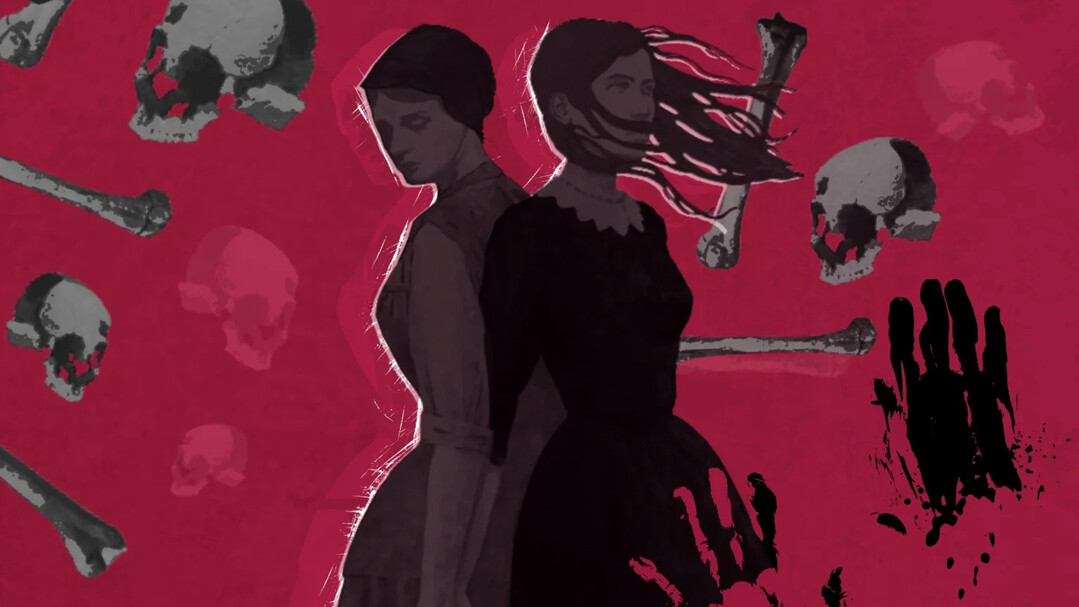
In the early days of the Jamestown colony, a woman was murdered and cannibalized by her husband. In the written accounts she is never named other than by her husband’s name. The infamous John Smith even jokes about the manor and motivation for her death: “And one amongst the rest did kill his wife, powdered her, and had eaten part of her before it was knowne … now whether shee was better roasted, boyled or carbonado’d, I know not, but of such a dish as powdered wife I never heard of.”
When I wrote my novel To the Bone, which explores the cannibalism that happened during The Starving Time at Jamestown, I felt compelled to give this woman a name, to explore her experience, because even though she was treated with casual cruelty by her contemporaries, her life and death mattered.
To the Bone is about a fifteen-year-old girl named Ellis, but the first, powerful motivation in writing about this time came from reading about Henry Collins, the man who murdered his wife. Contemporary accounts tell us that his wife was pregnant when he murdered her and he claimed that he did not eat the dead body of the fetus but washed it down the James River. (As if it somehow lessens his crime because, in his mind, the woman doesn’t count as much as the fetus.)
Because I have been in an abusive relationship, I find myself compelled by stories of abused women. Maybe I’m morbid or maybe it helps me process my trauma, but especially by stories of women who did not escape. We so often talk about “survivors,” but what about the women who didn’t survive?
This woman, who is not named in the accounts, did not survive. She was a victim, not only of a series of grave mistakes beginning with the idea of colonialism, but she was also, clearly, the victim of an abusive man. Because, while people were starving, and they were also resorting to survival cannibalism, they were eating people who were already dead. Mrs. Collins was alive when her husband murdered her.
Imagine you’re married to somebody who you can’t trust. Who hurts you. Who manipulates you. Who makes you feel crazy for feeing abused. Because make no mistake, she was abused before he murdered her. Nice, sane men do not murder their pregnant wives out of the blue. In fact, the leading cause of death for pregnant women in the United States is homicide related to intimate partner violence.
Imagine being trapped in a tiny house with a violent and abusive man. Your situation is dire. The food has run out. You are surrounded by a howling wilderness. You are besieged in a fort, because the reality is, you are the invader, and the people who were here first are defending themselves against your invasion. Maybe you realize at this point that you made a mistake in coming, but it’s too late.
The abuse escalates, as it always does in times of stress. You are isolated. Your family is three thousand miles and an ocean away. There is no escape. Not for you, anyway.
He’s looking at you with hungry eyes. You’re afraid of what he will do. You’re more afraid than you have ever been before. And when the murder happens, it is brutal.
And then, when your body has been desecrated and your child swept out to sea, you are made fun of. You are treated like a joke. The centuries slip by and it has been so long that the brutality of your death doesn’t seem real. It’s described in such strange, antiquated English that it seems silly.
But this woman was real. And her life mattered. And her manner of death was not funny.
I named her Blythe. Blythe means joyous. It’s not ironic, it’s defiant. She deserved joy, just like anybody. By naming her Blythe, maybe I’m giving her some.
Is it appropriate to arbitrarily give names to real people? She had a name, of course, but we don’t know it because her contemporaries didn’t bother to write it down. I wanted to write her story, as best as I could, and so I had to give her a name. I hope, wherever she is, she doesn’t mind.
[Copyright (c) Global Economic Times. All Rights Reserved.]