• 2026.11.11 (Wed)
  • All articles
  • LOGIN
  • JOIN
Global Economic Times
[등록] 2026-09-01 15:48:31
  • Synthesis
  • World
  • Business
  • Industry
  • ICT
  • Distribution Economy
  • Well+Being
    • Pet Life
    • Halal Horizon
  • Travel
  • Eco-News
  • Education
  • Korean Wave News
  • Opinion
  • Arts&Culture
  • Sports
  • People & Life
    • International Student Report
    • With Ambassador
  • Column
    • Cho Kijo Column
    • Cherry Garden Story
    • Ko Yong-chul Column
    • Kim Bong-seon's Photo Column
    • Kim Seul-Ong Column
    • Lee Yeon-sil Column
  • Photo News
  • New Book Guide
MENU
 
Home > Eco-News

The Secret to Returning Food Waste to the Earth

Kim Young Min Reporter / Updated : 2026-10-25 12:40:59
  • -
  • +
  • Print


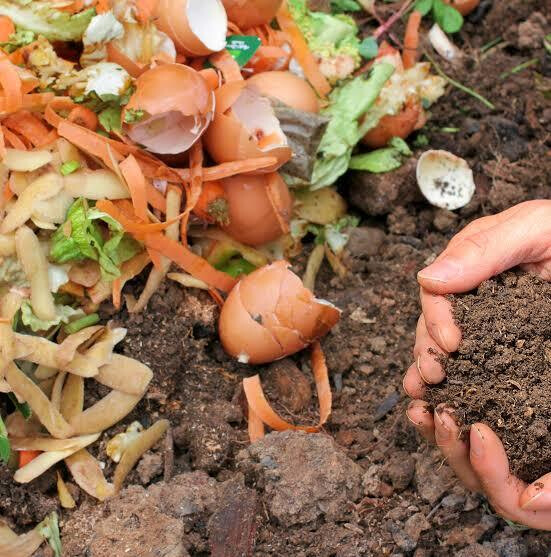
The container that Lee A-rom (39) brought with her looked familiar. It didn't seem any different from the typical food waste bin. However, opening the lid did not release the expected foul odor; there was only the scent of mixed watermelon rinds and tangerines. Lee smiled and said, "I put in the effort." Together with her neighbors, she has been running a group that turns food waste into compost, a journey recently captured in her new book, Organic Punk Declaration.

As a freelance journalist, Lee has harbored doubts about the word "eco-friendly." Is continuously consuming items like tumblers, stainless steel straws, and bamboo toothbrushes the right response to the climate crisis? Instead of buying new things, she contemplated ways to completely eliminate waste. At the very least, a path for food waste was visible: composting. Food is finely chopped and placed in a "compost bin," and moisture is periodically drained. After fermenting it by adding vinegar, microorganisms, and other solutions, it is completely dried. After a certain amount of time, it turns into pitch-black compost that can be returned to the earth.

Grand environmental agendas weren’t what drove Lee. She was simply curious about where and how the food waste she threw away ended up. "I came across the news of a worker who died from overwork at a waste treatment facility, and I heard that treated food waste is fed to animals," she said. "I couldn't carelessly place such a heavy burden on other people and animals." Although she had basic knowledge accumulated from 10 years of farming in a small garden, she also went through her fair share of trial and error. Organic Punk Declaration contains the optimal know-how left at the end of that journey.

Community is the core of this book. What seemed too daunting to tackle alone was accomplished together with like-minded people. In 2021, Lee and a few neighbors created the "Decomposition Garden," securing a small space rented in a neighborhood park through the local resident autonomy council. They set up a "compost station" where members gather periodically to empty their compost bins and discuss what plants to grow. Lee noted that the group goes beyond serving as the driving force for food composting—it is a source of bond in itself. "When you know what each other eats, you feel a tremendous sense of intimacy. Nowadays, many people don't even greet their next-door neighbors. Through this meeting, I, too, experienced the feeling of 'our neighborhood' and 'neighbors' for the first time."

When viewing food waste disposal solely as a "chore to be handled," composting feels like taking the long way around. Reversing this perspective, Lee emphasizes "fun." The various "experiments" and anecdotes from gatherings featured in the book prevent composting from feeling like grueling labor. Lee shared that she finds it immensely enjoyable to share the process of balancing "scents" with her neighbors, such as layering multiple pieces of dried tangerine peels in the compost bin. Her diet even changed to reduce odors. For anyone who has harbored deep concerns about waste disposal, many parts of her story are bound to make their eyes sparkle.

What about those without a deep sense of problem-solving awareness? Is there a bare minimum they can and should practice? "I don't think I'm all that different from them," Lee said, before opening up. "It would be great if people could at least squeeze out the moisture before throwing it away. Food waste treatment facilities spend 80 to 90 percent of their energy just removing water. If everyone reduced the moisture before discarding it, it would significantly ease the burden on transportation and treatment processes."

[Copyright (c) Global Economic Times. All Rights Reserved.]
  • #Cherry Garden
  • #HalalFood
  • #Halal
  • #Petlife
  • #Halalhorizone
  • #Hormuz Impasse
  • #globaleconomictimes
  • #micorea
  • #mykor
Kim Young Min Reporter

Popular articles

  • Global Credit Spreads Widened to 17-Month High Amid AI Investment Concerns

  • Hollys Suffers Personal Information Leak… "Please Change Your Membership Password Immediately"

  • Jeonbuk Special Self-Governing Province Hosts Integrated Animal Healthcare Industry and Pet Culture Exposition

I like it
Share
  • Facebook
  • X
  • Kakaotalk
  • LINE
  • BAND
  • NAVER
  • https://www.globaleconomictimes.kr/article/1065584409262064 Copy URL copied.
Comments >

Comments 0

Weekly Hot Issue

  • Inha University Caught in Campus Culture Clash Over Proposed Rhee Syng-man Statue Revival
  • Honoring a Legacy: Poet Oh Dong-chun Recognized for Lifelong Dedication to Hangul and Sijo Poetry
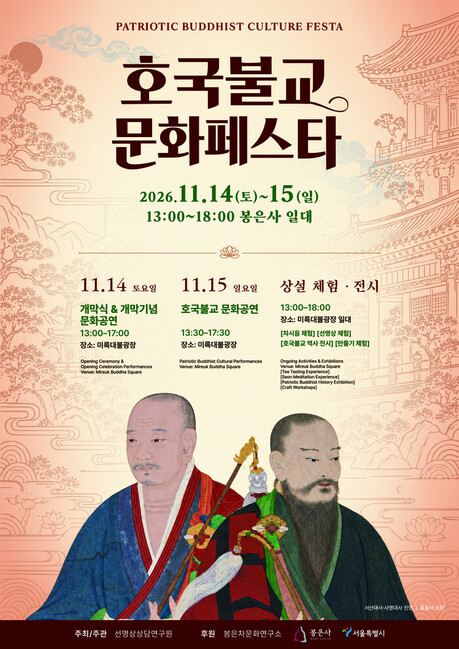
  • Bongeunsa Temple to Host 2026 Patriotic Buddhism Cultural Festa
  • South Korea Confronts a Growing Health Crisis as Adult Obesity Rates Surge
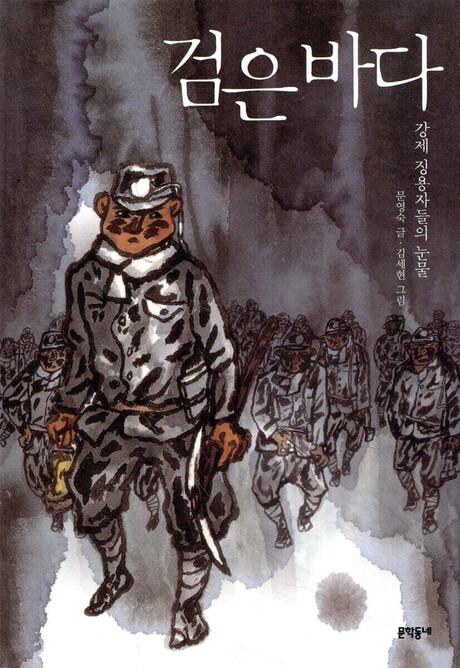
  • Pain of Chosei Coal Mine Meets Japanese Readers: Moon Young-sook Publishes Japanese Edition of 'Black Sea'
  • Beyond the Trillion-Dollar Mark: China’s Trade Surplus and the Debate Over Global Economic Dominance

Most Viewed

1
US Army Conducts Rare Temporary Burial Drills to Prepare for Worst-Case Large-Scale War Scenarios
2
World Citizens are Flying Directly to Busan... The Era of 4 Million Foreigners is Just Around the Corner
3
Eating 100g of Baechu Kimchi Daily Linked to Lower High-Cholesterol Risks
4
Meeting Christmas Early!… Busan Dessert Sales Event "Daldal The Market" Held
5
November Shopping Festival Sparks Retail War in South Korea: Where to Find the Best Deals
체리가든 스토리
nutri huevos
로타리
동포저널

Hot Issue

Jensen Huang Faces Shareholder Class Action and Leadership Scrutiny Amid Espionage Allegations Involving Former Associate

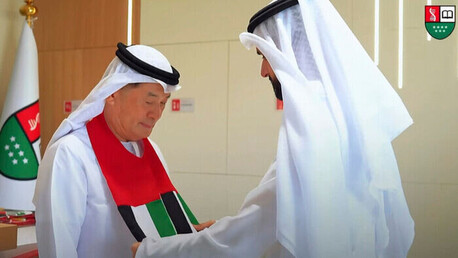
Disgraced South Korean Scientist Hwang Woo-suk Becomes UAE Citizen

Is South Korea Heading Toward France's Path? Aging Population and Fiscal Pressures Looming Ahead

Fashion Runway Show 2026

Let’s recycle the old blankets in Jeju Island’s closet instead of incinerating them.

Global Economic Times
korocamia@naver.com
CEO : LEE YEON-SIL
Publisher : KO YONG-CHUL
Registration number : Seoul, A55681
Registration Date : 2024-10-24
Youth Protection Manager: KO YONG-CHUL
Singapore Headquarters
5A Woodlands Road #11-34 The Tennery. S'677728
Korean Branch
Phone : +82(0)10 4724 5264
#304, 6 Nonhyeon-ro 111-gil, Gangnam-gu, Seoul
Copyright © Global Economic Times All Rights Reserved
  • News K
  • 반달곰 프로젝트
  • 광고문의
Search
Category
  • All articles
  • Synthesis
  • World
  • Business
  • Industry
  • ICT
  • Distribution Economy
  • Well+Being 
    • 전체
    • Pet Life
    • Halal Horizon
  • Travel
  • Eco-News
  • Education
  • Korean Wave News
  • Opinion
  • Arts&Culture
  • Sports
  • People & Life 
    • 전체
    • International Student Report
    • With Ambassador
  • Column 
    • 전체
    • Cho Kijo Column
    • Cherry Garden Story
    • Ko Yong-chul Column
    • Kim Bong-seon's Photo Column
    • Kim Seul-Ong Column
    • Lee Yeon-sil Column
  • Photo News
  • New Book Guide
  • Overseas Koreans
  • Multicultural News