• 2025.12.13 (Sat)
  • All articles
  • LOGIN
  • JOIN
Global Economic Times
APEC2025KOREA가이드북
  • Synthesis
  • World
  • Business
  • Industry
  • ICT
  • Distribution Economy
  • Well+Being
  • Travel
  • Eco-News
  • Education
  • Korean Wave News
  • Opinion
  • Arts&Culture
  • Sports
  • People & Life
  • Column
    • Cho Kijo Column
    • Lee Yeon-sil Column
    • Ko Yong-chul Column
    • Cherry Garden Story
  • Photo News
  • New Book Guide
MENU
 
Home > Synthesis

Mexico Increases Dam Discharge After Trump's Pressure Over Water Treaty

Desk / Updated : 2025-04-18 13:07:53
  • -
  • +
  • Print

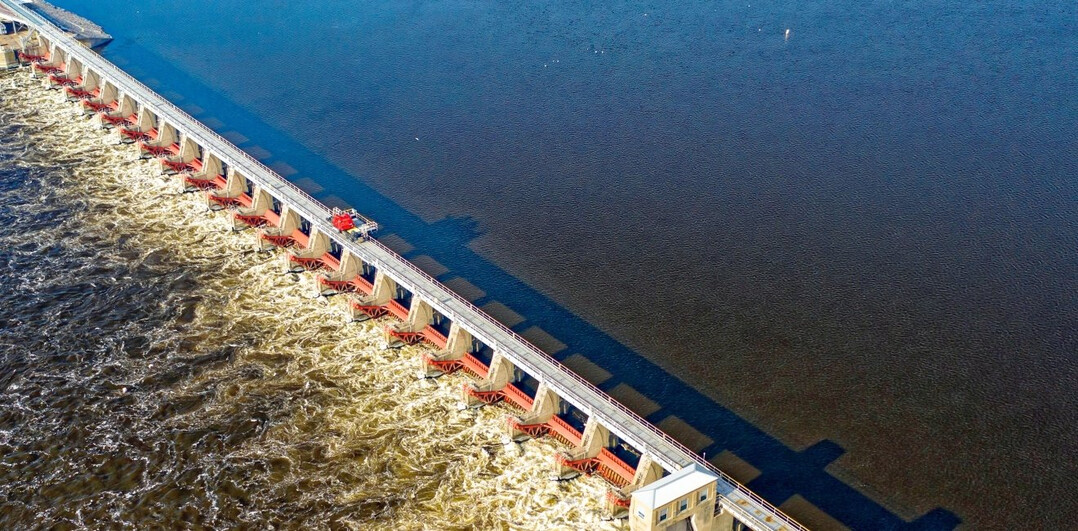
Mexico has significantly increased the discharge of water from the La Amistad Dam in the northern state of Coahuila, following pressure from U.S. President Donald Trump to comply with a water delivery treaty. The International Boundary and Water Commission (IBWC), which oversees water resources along the U.S.-Mexico border, announced that the dam's discharge rate had been increased from 18 cubic meters per second (m³/s) to 120 m³/s.

This measure, implemented from midnight on September 13th, is widely seen as a direct response to President Trump's threats of imposing tariffs on Mexican goods due to the country's alleged non-compliance with the 1944 Water Treaty. This treaty mandates that Mexico share water from the Rio Grande with the United States.

The 1944 Water Treaty, officially known as the "Treaty Between the United States and Mexico Relating to the Utilization of Waters of the Colorado and Tijuana Rivers, and of the Rio Grande," allocates water from the Rio Grande and Colorado River between the two nations. Under this agreement, Mexico is required to deliver a certain amount of water to the United States over a five-year cycle. However, Mexico has fallen behind in its deliveries, prompting concerns from U.S. farmers and officials, particularly in Texas.   

President Trump's administration had repeatedly expressed its dissatisfaction with Mexico's water deliveries, with Trump himself tweeting about the issue and threatening economic consequences. The pressure mounted as the deadline for the current five-year cycle approached, with Texas farmers fearing significant losses due to water shortages.   

The increased discharge from the La Amistad Dam is intended to help Mexico meet its treaty obligations before the cycle ends. However, the situation remains complex, with various factors contributing to the water shortage. Drought conditions, increased agricultural demands, and infrastructure limitations have all played a role.   

Furthermore, the water issue has become politically charged, with local Mexican farmers protesting against the release of water, fearing it will impact their own irrigation needs. These protests have added another layer of complexity to the situation, requiring delicate negotiations and compromises.

The IBWC, composed of U.S. and Mexican sections, is responsible for applying the boundary and water treaties between the two countries. They have been working to facilitate communication and find solutions to the water dispute. The recent increase in dam discharge is a result of these ongoing efforts.   

Despite the increased discharge, the long-term resolution of the water dispute remains uncertain. The need for sustainable water management strategies and improved infrastructure is evident. Both countries must continue to work together to ensure equitable water distribution and address the challenges posed by climate change and increasing water demands.   

The situation highlights the delicate balance of water resources along the U.S.-Mexico border and the importance of international cooperation in managing shared natural resources. As the deadline approaches, all eyes are on the Rio Grande and the ongoing efforts to resolve this critical issue.

[Copyright (c) Global Economic Times. All Rights Reserved.]

  • #globaleconomictimes
  • #한국
  • #중기청
  • #재외동포청
  • #외교부
  • #micorea
  • #mykorea
  • #newsk
  • #nammidonganews
  • #singaporenewsk
  • #타이완포스트
  • #김포공항
Desk
Desk

Popular articles

  • Korean Fashion Brands Set Sights on China: Dunst Opens Pop-up in Shanghai

  • Alliance in a Dilemma: The Fallout of Trump's Advice to Takaichi Not to 'Provoke Taiwan' 

  • South Korea Lauded as 'Model Ally' After Committing to 3.5% GDP Defense Spending

I like it
Share
  • Facebook
  • X
  • Kakaotalk
  • LINE
  • BAND
  • NAVER
  • https://www.globaleconomictimes.kr/article/1065585993540266 Copy URL copied.
Comments >

Comments 0

Weekly Hot Issue

  • International Organizations Raise China's Growth Forecasts, Citing Stimulus and Exports
  • US-Japan Counteract Sino-Russian Drills with Joint Bomber Exercise in East Sea Airspace
  • Thailand-Cambodia Conflict Escalates: 22 Dead, Over 100 Injured as Border Clashes Spread
  • Swiss Economy Minister Guy Parmelin Poised to Lead as President in 2026
  • Russia Claims Downing Record 278 Ukrainian Drones Overnight, 40 Targeting Moscow Region
  • ZTE Faces Massive US Fine Over Alleged Foreign Bribery; Potential Settlement Could Exceed $2 Billion

Most Viewed

1
A Garden Where the City's Rhythm Stops: Dongdaemun's 'Cherry Garden', Cooking Consideration and Diversity
2
The Sudden Halt of Ayumi Hamasaki's Shanghai Concert: Unpacking the Rising Sino-Japanese Tensions
3
Choi Bun-do, Chairman of PTV Group, Assumes Presidency of the Korean Chamber of Commerce and Industry in South Central Vietnam
4
The Paradox of the 'Juvenile Offender' (Chokbeop Sonyeon): Impunity or Unfinished Rehabilitation?
5
South Korea Unveils 'K-Med': A Gigantic leap in Medical AI, Challenging Global Tech Giants
광고문의
임시1
임시3
임시2

Hot Issue

Mexico Hikes Tariffs on 'Strategic Goods' from South Korea, China, and Other Non-FTA Nations

Tech Tensions Flare: DeepSeek Allegedly Smuggles Banned NVIDIA Blackwell Chips for New AI Model

Netflix Stock Plummets 10% on Credit Downgrade Fears Following Blockbuster Warner Bros. Acquisition

LG Innotek Develops Eco-Friendly Next-Gen Smart IC Substrate, Reducing Carbon Emissions by Half

Let’s recycle the old blankets in Jeju Island’s closet instead of incinerating them.

Global Economic Times
korocamia@naver.com
CEO : LEE YEON-SIL
Publisher : KO YONG-CHUL
Registration number : Seoul, A55681
Registration Date : 2024-10-24
Youth Protection Manager: KO YONG-CHUL
Singapore Headquarters
5A Woodlands Road #11-34 The Tennery. S'677728
Korean Branch
Phone : +82(0)10 4724 5264
#304, 6 Nonhyeon-ro 111-gil, Gangnam-gu, Seoul
Copyright © Global Economic Times All Rights Reserved
  • 에이펙2025
  • APEC2025가이드북TV
  • 독도는우리땅
Search
Category
  • All articles
  • Synthesis
  • World
  • Business
  • Industry
  • ICT
  • Distribution Economy
  • Well+Being
  • Travel
  • Eco-News
  • Education
  • Korean Wave News
  • Opinion
  • Arts&Culture
  • Sports
  • People & Life
  • Column 
    • 전체
    • Cho Kijo Column
    • Lee Yeon-sil Column
    • Ko Yong-chul Column
    • Cherry Garden Story
  • Photo News
  • New Book Guide
  • Multicultural News
  • Jobs & Workers