![[등록] 2026-09-01 15:48:31](/support/_updata/banner2/tl181982910_6749.png)


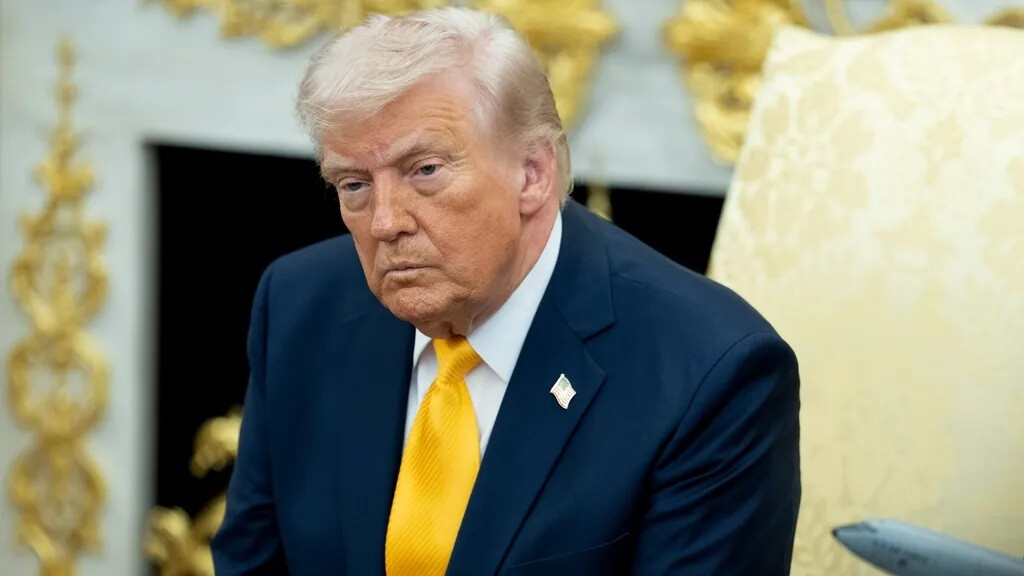
(C) Axios
WASHINGTON D.C. – President Donald Trump is set to deliver a pivotal address to the nation regarding the ongoing conflict with Iran. Amid escalating tensions and global economic jitters, speculation is mounting that the President may declare an end to the war as early as this month—potentially leaving the critical issue of the Strait of Hormuz unresolved.
Key Highlights of the Upcoming Address
The White House confirmed on Tuesday that President Trump will speak from the Oval Office on April 1 at 9:00 PM ET (April 2, 10:00 AM KST). The address aims to provide a "comprehensive update" on the military status and diplomatic maneuvers in the Middle East.
According to administration officials, the central themes of the speech are expected to include:
The timeline for a complete withdrawal of U.S. forces.
The impact of the conflict on global energy markets.
The shift toward "America First" maritime security policies.
"Very Soon": A Rapid Exit Strategy
During an executive order signing ceremony earlier today, President Trump signaled a swift conclusion to the hostilities. "All I have to do is leave Iran. We are going to be leaving very soon," Trump stated, suggesting a timeline of two to three weeks.
The President coupled this military exit with an economic prediction, claiming that oil prices would "plummet" once the U.S. concludes its involvement. This rhetoric underscores his long-standing desire to extricate the United States from "endless wars" in the region.
"They want a deal more than I do. Whether they come to the table or not doesn't matter; we have set them back significantly." — President Donald Trump
Diplomatic Signals from Tehran
In a rare alignment of rhetoric, Iranian President Masoud Pezeshkian has also expressed a willingness to cease hostilities. In a recent phone call with Antonio Costa, President of the European Council, Pezeshkian emphasized that Iran is ready to end the conflict provided there are guarantees against future "aggression and recurrence."
The "Hormuz Dilemma"
Despite the talk of peace, a major shadow looms over the negotiations: the Strait of Hormuz. The blockade of this vital waterway has been the primary driver of skyrocketing global oil prices. However, President Trump has indicated that the U.S. may not prioritize reopening the strait as part of its exit strategy.
Trump’s recent comments suggest a radical shift in U.S. foreign policy:
Burden Shifting: The President remarked that if countries like France or other European nations require oil or gas, they should "go there directly through the Strait of Hormuz" and "protect themselves."
Strategic Disengagement: By stating that the U.S. has "nothing to do with" the specific issue of the blockade, Trump is signaling that the U.S. will no longer act as the "policeman of the world" for global energy routes.
Market and Global Implications
Economic analysts warn that a "peace" that leaves the Strait of Hormuz blocked or contested could lead to a permanent "risk premium" on oil. While Trump promises lower prices through withdrawal, the reality of a compromised shipping lane could keep energy costs volatile for the foreseeable future.
As the world awaits the Wednesday night address, the question remains: Can a war truly be considered "over" if the world’s most critical energy artery remains under threat?
[Copyright (c) Global Economic Times. All Rights Reserved.]