![[등록] 2026-09-01 15:48:31](/support/_updata/banner2/tl181982910_6749.png)


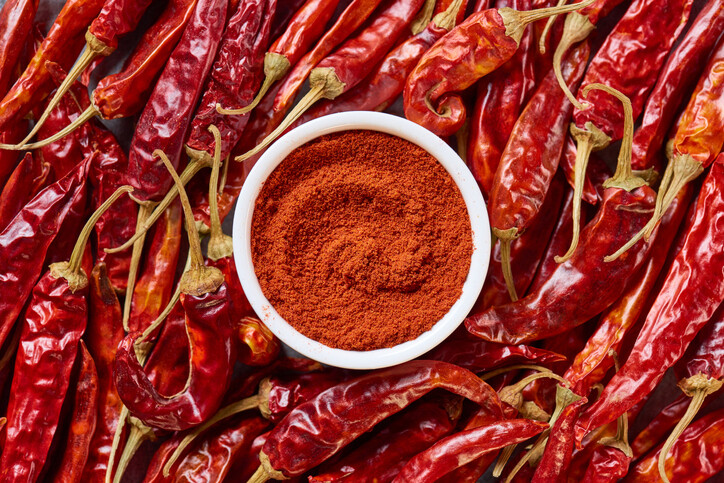
A groundbreaking new study suggests that regularly consuming moderately spicy foods, such as those containing chili peppers, may significantly lower the risk of cardiovascular and cerebrovascular diseases. This finding adds a new layer to the growing body of research on the health benefits of certain dietary habits. The study, which focused on a large population in China, found a strong association between frequent chili consumption and a reduced risk of serious conditions like heart attacks and strokes.
Cardiovascular diseases, including myocardial infarction, angina pectoris, and atrial fibrillation, along with cerebrovascular diseases like stroke, are leading causes of mortality and morbidity worldwide. While factors like genetics, lifestyle, and other dietary choices are well-known contributors, this research highlights a less-understood, yet potentially powerful, protective effect of spicy foods.
The research team analyzed data from 54,859 adults aged 30 to 79 residing in Sichuan Province, China—a region renowned for its spicy cuisine. The study's aim was to investigate the correlation between chili pepper intake and the risk of developing cardiovascular and cerebrovascular diseases. The results were compelling: of the participants, a vast majority (89.90%) reported consuming chili peppers, indicating the prevalence of this dietary habit in the study population. Specifically, 68.69% of participants consumed chilies 6-7 days a week, a remarkably high frequency that proved central to the study's findings.
After adjusting for various confounding factors, the researchers found that compared to individuals who rarely or never ate chili peppers, those who consumed them 6-7 days a week experienced a notable decrease in risk. The data showed a 14% reduction in the risk of ischemic heart disease, a 12% reduction in cerebrovascular disease risk, and a 15% reduction in the risk of ischemic stroke. The protective effect appeared to be dose-dependent, with the risk of cardiovascular and cerebrovascular diseases decreasing as the frequency of spicy food consumption increased. The most significant reduction, up to 11% overall, was observed in those with the highest consumption frequency.
Interestingly, the study pointed to a "sweet spot" for spiciness. It found that a moderate level of spiciness was the most effective in reducing the overall risk of cardiovascular and cerebrovascular diseases, showing a 14% decrease. This suggests that you don't need to endure extreme heat to reap the benefits; a reasonable, moderate amount is sufficient. However, the study found no association between spicy food consumption and hemorrhagic stroke.
So, what is the mechanism behind this protective effect? The key lies in capsaicin, the active compound that gives chili peppers their heat. Capsaicin is a bioactive substance that stimulates specific receptors in the mouth, nerves, and even the lining of blood vessels. Animal studies have shown that this repeated stimulation can increase the production of nitric oxide in the body. Nitric oxide is a powerful molecule that helps relax blood vessels and promote healthy blood flow. In individuals with hypertension, this process can lead to a reduction in blood pressure.
This improvement in the health of the blood vessel lining, or endothelium, helps make arteries stronger and more flexible. This, in turn, reduces the strain on the heart and lowers the risk of long-term damage. When blood vessels are more flexible, they can dilate more easily, allowing for a more efficient blood flow when the body needs it, such as during exercise or times of stress. The long-term effects of capsaicin go beyond a simple burning sensation on the tongue. Through its influence on nitric oxide pathways and protein changes, capsaicin appears to contribute to sustained improvements in vascular health.
This study is not the first to highlight the potential benefits of spicy foods. A 2019 study from the Mediterranean Neurological Institute in Italy, which followed 23,000 participants for eight years, found that individuals who consumed chili peppers at least four times a week had a 40% lower risk of premature death from a heart attack. Similarly, a large-scale study conducted in China from 2004 to 2013 found that a higher frequency of spicy food consumption was associated with lower overall mortality rates. Participants who ate spicy foods 6-7 days a week saw a 14% reduction in mortality risk compared to those who consumed them less than once a week.
While these findings are compelling, it's crucial to understand that they demonstrate an association, not a direct cause-and-effect relationship. The studies show that in large populations followed over long periods, there is a clear link between frequent spicy food consumption and a lower incidence of cardiovascular and cerebrovascular disease.
The intensity of the spiciness matters, with a moderate level yielding the most positive results. This implies that simply adding a reasonable amount of spice to your meals may be enough. However, a word of caution is necessary for those with pre-existing gastrointestinal issues like acid reflux or ulcers. These individuals should be careful with spicy food consumption and consult a doctor if necessary.
In conclusion, while more research is needed to fully understand the intricate mechanisms at play, the evidence from these studies suggests that a little bit of spice may be a simple, flavorful way to contribute to a healthier heart and a longer life.
[Copyright (c) Global Economic Times. All Rights Reserved.]