• 2026.03.22 (Sun)
  • All articles
  • LOGIN
  • JOIN
Global Economic Times
fashionrunwayshow2026
  • Synthesis
  • World
  • Business
  • Industry
  • ICT
  • Distribution Economy
  • Well+Being
  • Travel
  • Eco-News
  • Education
  • Korean Wave News
  • Opinion
  • Arts&Culture
  • Sports
  • People & Life
    • International Student Report
    • With Ambassador
  • Column
    • Cho Kijo Column
    • Cherry Garden Story
    • Ko Yong-chul Column
    • Kim Seul-Ong Column
    • Lee Yeon-sil Column
  • Photo News
  • New Book Guide
MENU
 
Home > World

Bird Strikes: A Persistent Threat to Aviation Safety

Eunsil Ju Reporter / Updated : 2025-03-02 15:52:44
  • -
  • +
  • Print

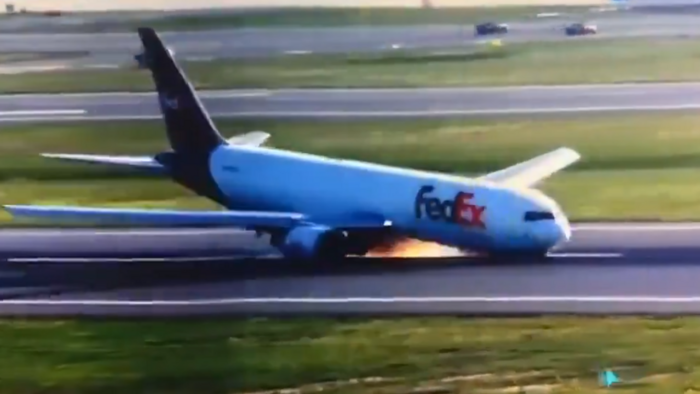
On the morning of the 1st, a FedEx Boeing 767 cargo plane made an emergency landing at Newark Liberty International Airport after a bird strike damaged one of its engines. Fortunately, the three crew members on board were unharmed, but the incident highlights the ongoing threat that bird strikes pose to aviation safety.

According to the Federal Aviation Administration (FAA), there were approximately 19,603 bird strikes on aircraft in the United States in 2023 alone, averaging about 54 incidents per day. This number is a stark reminder of how frequently these encounters occur.

Bird strikes can cause significant damage to aircraft, including engine failure, windshield damage, and structural damage. In the case of the FedEx cargo plane, the bird strike resulted in an engine fire, which could have had catastrophic consequences.

While the aviation industry has made significant strides in developing technologies and procedures to mitigate the risk of bird strikes, they remain a persistent threat. Airports employ various methods to deter birds, such as using radar to detect bird activity and employing wildlife management techniques. However, birds are unpredictable, and even the most sophisticated systems cannot eliminate the risk entirely.

The recent FedEx incident underscores the importance of continued vigilance and investment in bird strike prevention. Airlines, airports, and regulatory agencies must work together to develop and implement strategies to minimize the risk of these encounters.

In addition to the financial costs associated with bird strikes, there is also the potential for loss of life. While fatalities from bird strikes are rare, they do occur. In 2009, a US Airways Airbus A320 made an emergency landing on the Hudson River after a bird strike disabled both engines, fortunately, all 155 people on board survived.

The aviation industry must remain committed to addressing the threat of bird strikes. This includes investing in research and development of new technologies, improving wildlife management practices, and enhancing pilot training. By working together, we can make our skies safer for everyone.

[Copyright (c) Global Economic Times. All Rights Reserved.]

  • #globaleconomictimes
  • #글로벌이코노믹타임즈
  • #한국
  • #중기청
  • #재외동포청
  • #외교부
  • #micorea
  • #mykorea
  • #newsk
  • #nammidonganews
  • #singaporenewsk
Eunsil Ju Reporter
Eunsil Ju Reporter

Popular articles

  • Instagram to Alert Parents When Teens Search for 'Self-Harm' or 'Suicide'

  • IT Telecom Clinches V2X Supply Deal for New York State Autonomous Driving Project

  • “Mastering Household Chores”: US Humanoid Robot Demonstrates Living Room Cleaning Capabilities

I like it
Share
  • Facebook
  • X
  • Kakaotalk
  • LINE
  • BAND
  • NAVER
  • https://www.globaleconomictimes.kr/article/1065595869103427 Copy URL copied.
Comments >

Comments 0

Weekly Hot Issue

  • Coway Clinches Top Honor at "Water Taste Awards" for 7th Consecutive Year
  • HP Targets Korea as Strategic Hub for 'Edge AI' Expansion, Seeking Startup Partnerships
  • Pearl Abyss’s 'Crimson Desert' Shatters Records with 2 Million Copies Sold on Day One
  • "BTS Over Books?" Indian Academies Issue Emergency Notices as Students Plot Mass Absences for Comeback Live
  • Naver to Shut Down Men's Fashion Service 'MR.' to Launch Expanded AI-Driven Fashion Platform
  • JBNU and SKKU Researchers Achieve Breakthrough in "Dream Material" MXene, Setting New World Records in Performance

Most Viewed

1
An Open Letter to BTS On the Eve of a Historic Performance
2
From Industrial Capital to Tourism Mecca... Ulsan Makes a Bold Move with ‘Experiential Content’ in 2026
3
Ko Sang-goo, President of World Federation of Korean Associations, Elected as First Private Sector Chair of World Korean Community Leaders Convention
4
It is Time for BTS’s Fandom, ARMY, to Step Forward
5
Korean Stock Market Plunges: Circuit Breaker and Sidecar Triggered Amid Geopolitical Crisis
광고문의
임시1
임시3
임시2

Hot Issue

Vishay Unveils Ultra-Compact 0404 RGB LED with Independent Chip Control for Enhanced Color Precision

Coway Clinches Top Honor at "Water Taste Awards" for 7th Consecutive Year

AI Medical Ecosystem in Focus: KIMES 2026 Opens in Seoul as Global Healthcare Hub

Netanyahu Declares Decisive Blow to Iran’s Nuclear and Missile Programs, Signals Early End to War

Let’s recycle the old blankets in Jeju Island’s closet instead of incinerating them.

Global Economic Times
korocamia@naver.com
CEO : LEE YEON-SIL
Publisher : KO YONG-CHUL
Registration number : Seoul, A55681
Registration Date : 2024-10-24
Youth Protection Manager: KO YONG-CHUL
Singapore Headquarters
5A Woodlands Road #11-34 The Tennery. S'677728
Korean Branch
Phone : +82(0)10 4724 5264
#304, 6 Nonhyeon-ro 111-gil, Gangnam-gu, Seoul
Copyright © Global Economic Times All Rights Reserved
  • 에이펙2025
  • APEC2025가이드북TV
  • 독도는우리땅
Search
Category
  • All articles
  • Synthesis
  • World
  • Business
  • Industry
  • ICT
  • Distribution Economy
  • Well+Being
  • Travel
  • Eco-News
  • Education
  • Korean Wave News
  • Opinion
  • Arts&Culture
  • Sports
  • People & Life 
    • 전체
    • International Student Report
    • With Ambassador
  • Column 
    • 전체
    • Cho Kijo Column
    • Cherry Garden Story
    • Ko Yong-chul Column
    • Kim Seul-Ong Column
    • Lee Yeon-sil Column
  • Photo News
  • New Book Guide
  • Multicultural News
  • Jobs & Workers