• 2025.12.13 (Sat)
  • All articles
  • LOGIN
  • JOIN
Global Economic Times
APEC2025KOREA가이드북
  • Synthesis
  • World
  • Business
  • Industry
  • ICT
  • Distribution Economy
  • Well+Being
  • Travel
  • Eco-News
  • Education
  • Korean Wave News
  • Opinion
  • Arts&Culture
  • Sports
  • People & Life
  • Column
    • Cho Kijo Column
    • Lee Yeon-sil Column
    • Ko Yong-chul Column
    • Cherry Garden Story
  • Photo News
  • New Book Guide
MENU
 
Home > Industry

Game Industry Workers in South Korea Face Overwhelming Workloads

Desk / Updated : 2025-01-05 16:01:48
  • -
  • +
  • Print


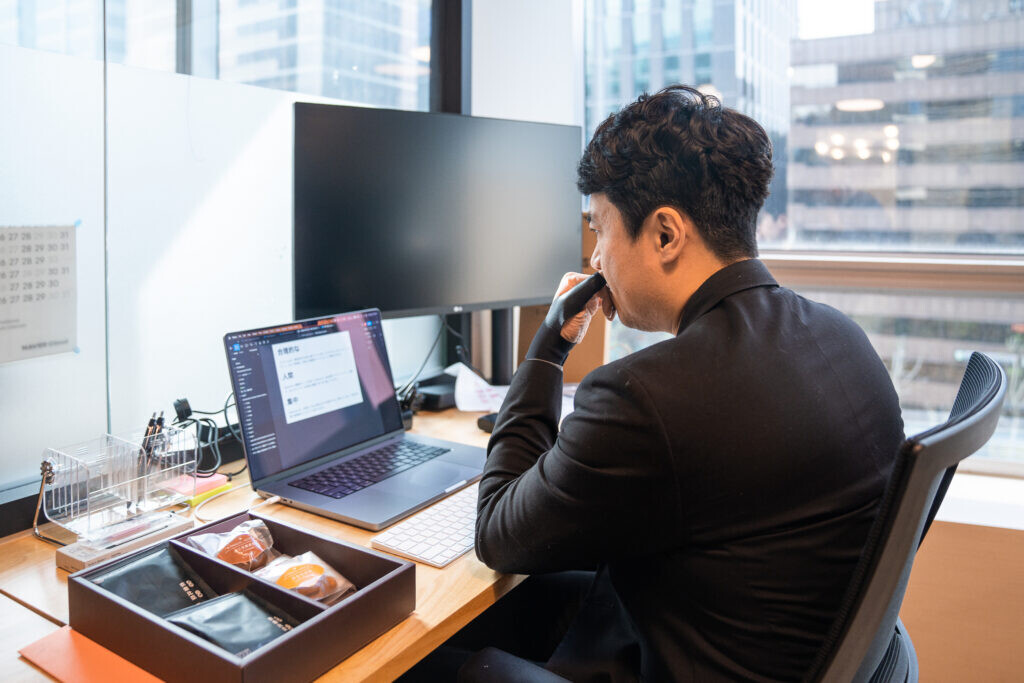
Seoul, South Korea – South Korea's gaming industry, once a beacon of innovation, is facing a growing crisis as employees grapple with excessive workloads and uncertain job prospects. A recent survey conducted by the Korea Creative Content Agency revealed that the average workweek for game industry employees has been steadily increasing, reaching 44.4 hours in 2024. This is despite the introduction of a 52-hour workweek in 2018 and stricter labor regulations.

The surge in workload is attributed to several factors, including intensified competition from Chinese game companies, rising consumer demands, and the pressure to deliver new content frequently. A team leader at a prominent domestic game company, who requested anonymity, shared that the workload has more than doubled in the past decade. "The competition with Chinese companies, coupled with the expectation to meet ever-changing user demands, has significantly increased our working hours," he said.

The pandemic-induced shift to remote work has also been reversed, with many companies returning to in-office work. While remote work offered flexibility, it was perceived by many as less productive. "We experienced a significant drop in productivity during the pandemic, which has made us hesitant to promote remote work," said a team manager at another gaming company.

The practice of "crunch mode," where employees work excessively long hours leading up to a game release, remains prevalent. Although the percentage of employees experiencing crunch mode has decreased slightly, the average number of hours worked during these periods has increased.

Job security has also become a major concern for game industry workers. A significant portion of respondents expressed anxiety about their future employment, citing factors such as uncertain job prospects and the risk of layoffs.

The survey findings highlight a growing disconnect between the demands of the gaming industry and the well-being of its workforce. As the industry continues to evolve, it is imperative for companies to prioritize employee health and work-life balance while striving to maintain their competitive edge.

[Copyright (c) Global Economic Times. All Rights Reserved.]

  • #globaleconomictimes
  • #seoulkorea
  • #periodicoeconomico
  • #글로벌이코노믹타임즈
  • #GET
  • #GETtv
  • #대한민국
  • #중기청
  • #재외동포청
  • #외교부
  • #micorea
  • #my
Desk
Desk

Popular articles

  • Korean Fashion Brands Set Sights on China: Dunst Opens Pop-up in Shanghai

  • Alliance in a Dilemma: The Fallout of Trump's Advice to Takaichi Not to 'Provoke Taiwan' 

  • South Korea Lauded as 'Model Ally' After Committing to 3.5% GDP Defense Spending

I like it
Share
  • Facebook
  • X
  • Kakaotalk
  • LINE
  • BAND
  • NAVER
  • https://www.globaleconomictimes.kr/article/1065596069593088 Copy URL copied.
Comments >

Comments 0

Weekly Hot Issue

  • Fatal Accidents Rise Despite Stricter Penalties in South Korea's Construction Sector
  • South Korea’s Retail Sector Faces Layoff Wave: ‘The Hopeful Retirement’ Blows Through 40-Year-Old Managers
  • Samsung Launches 'Galaxy Z TriFold,' Draws Crowds Despite $2,750 Price Tag
  • 'Failure of Negotiations with North Korea: Truth and Solution' Commemorative Book Launch Event
  • Pocheon City Completes Educational Support for Children of Multicultural Families in 2025
  • South Korea officially enters 'Multicultural Society' as Migrant-Background Population Surpasses 5%

Most Viewed

1
A Garden Where the City's Rhythm Stops: Dongdaemun's 'Cherry Garden', Cooking Consideration and Diversity
2
The Sudden Halt of Ayumi Hamasaki's Shanghai Concert: Unpacking the Rising Sino-Japanese Tensions
3
Choi Bun-do, Chairman of PTV Group, Assumes Presidency of the Korean Chamber of Commerce and Industry in South Central Vietnam
4
The Paradox of the 'Juvenile Offender' (Chokbeop Sonyeon): Impunity or Unfinished Rehabilitation?
5
South Korea Unveils 'K-Med': A Gigantic leap in Medical AI, Challenging Global Tech Giants
광고문의
임시1
임시3
임시2

Hot Issue

Samsung Launches 'Galaxy Z TriFold,' Draws Crowds Despite $2,750 Price Tag

Mexico Hikes Tariffs on 'Strategic Goods' from South Korea, China, and Other Non-FTA Nations

Tech Tensions Flare: DeepSeek Allegedly Smuggles Banned NVIDIA Blackwell Chips for New AI Model

Netflix Stock Plummets 10% on Credit Downgrade Fears Following Blockbuster Warner Bros. Acquisition

Let’s recycle the old blankets in Jeju Island’s closet instead of incinerating them.

Global Economic Times
korocamia@naver.com
CEO : LEE YEON-SIL
Publisher : KO YONG-CHUL
Registration number : Seoul, A55681
Registration Date : 2024-10-24
Youth Protection Manager: KO YONG-CHUL
Singapore Headquarters
5A Woodlands Road #11-34 The Tennery. S'677728
Korean Branch
Phone : +82(0)10 4724 5264
#304, 6 Nonhyeon-ro 111-gil, Gangnam-gu, Seoul
Copyright © Global Economic Times All Rights Reserved
  • 에이펙2025
  • APEC2025가이드북TV
  • 독도는우리땅
Search
Category
  • All articles
  • Synthesis
  • World
  • Business
  • Industry
  • ICT
  • Distribution Economy
  • Well+Being
  • Travel
  • Eco-News
  • Education
  • Korean Wave News
  • Opinion
  • Arts&Culture
  • Sports
  • People & Life
  • Column 
    • 전체
    • Cho Kijo Column
    • Lee Yeon-sil Column
    • Ko Yong-chul Column
    • Cherry Garden Story
  • Photo News
  • New Book Guide
  • Multicultural News
  • Jobs & Workers