![[등록] 2026-09-01 15:48:31](/support/_updata/banner2/tl181982910_6749.png)


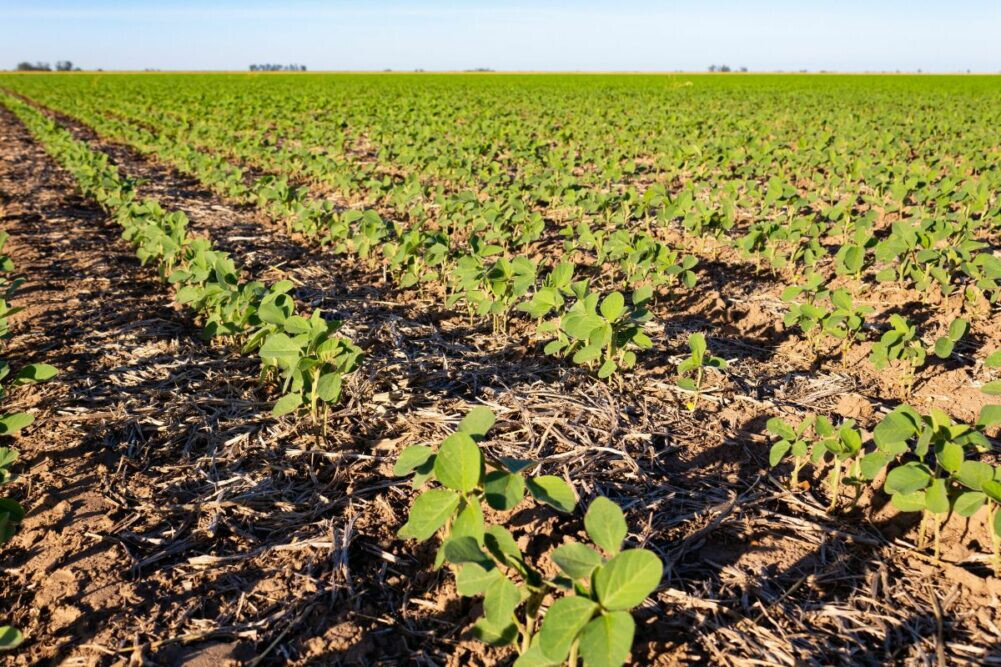
BUENOS AIRES, ARGENTINA — Argentina's soybean planting area is projected to decrease by 1 million hectares in the 2025-26 marketing year, according to a report from the United States Department of Agriculture's Foreign Agricultural Service (FAS).
The FAS attributes this anticipated reduction primarily to farmers reverting to the traditional corn-soybean rotation system after increasing soybean cultivation due to pest concerns. The report notes that last year's expansion of soybean acreage was largely driven by anxieties over leafhopper pressure, which significantly reduced corn area across a wide range of regions.
"With the incidence and impact of leafhoppers this year being much lower than anticipated, farmers are expected to return to their usual practice of a corn-favored rotation following a period of soybean-heavy cropping," the FAS stated.
Consequently, the FAS forecasts Argentina's soybean planted area to decline from 17.5 million hectares to 16.5 million hectares. However, a slight increase in yield per hectare is expected to maintain overall soybean production at approximately 49.5 million tons.
The FAS cautioned that "soybean production costs continue to rise, with margins being very low or even negative, especially for rented land." The report indicates that over 75% of Argentina's soybean production occurs on rented land, with the remainder on owned land.
Meanwhile, as Argentina's soybean stocks have reached their highest level in six years, the FAS projects a roughly 17% increase in exports for 2025-26, reaching between 5 and 6 million tons.
Significance of Argentine Agriculture: Argentina is a major global agricultural power, particularly as an exporter of key grains such as soybeans, corn, and wheat. Agriculture is a crucial pillar of the Argentine economy, significantly contributing to foreign exchange earnings and employment.
Importance of Crop Rotation: Crop rotation plays a vital role in maintaining soil fertility and reducing the incidence of specific pests or diseases. Corn and soybeans are prime rotation crops, positively influencing each other. Corn increases organic matter in the soil, while soybeans fix atmospheric nitrogen, enriching the soil.
Impact of Leafhoppers: Leafhoppers are a significant pest for corn, particularly damaging young seedlings. In the past year, concerns about leafhopper infestations in Argentina are analyzed to have led many farmers to choose soybean cultivation, which is less susceptible to leafhopper damage, over corn.
Factors Contributing to Increased Production Costs: Rising prices of agricultural inputs such as fertilizers, pesticides, and fuel are a global trend, not just in Argentina. The prolonged Russia-Ukraine war and global supply chain disruptions have further exacerbated these price increases. High inflation is also a major factor contributing to increased production costs.
Proportion of Rented Land: The high proportion of rented land in Argentine agriculture is related to land ownership structures. Many farmers prefer renting land over owning it due to high land prices. Fluctuations in rental costs significantly impact farmer profitability.
Inventory Increase and Export Outlook: Increased soybean stocks in Argentina appear to be due to a combination of good harvests and lower domestic demand. This could enhance the price competitiveness of Argentine soybeans in the international market, contributing to increased exports. However, potential global economic slowdowns and the harvests of other major exporting countries could also influence export volumes.
This FAS report illustrates the shifts within Argentina's agricultural sector and the resulting market outlook. While the short-term factor of eased pest concerns is influencing crop planting patterns, long-term challenges such as rising production costs and rental burdens will remain important considerations for farmers.
[Copyright (c) Global Economic Times. All Rights Reserved.]