![[등록] 2026-09-01 15:48:31](/support/_updata/banner2/tl181982910_6749.png)


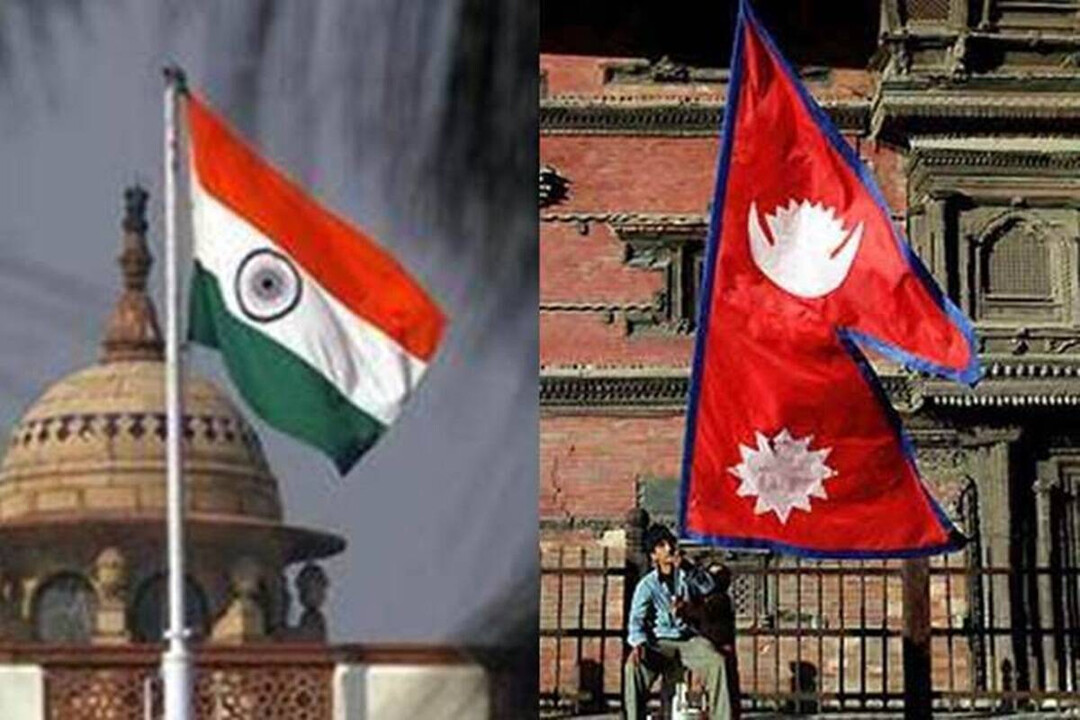
Nepal and India are set to significantly expand their cross-border power transmission capacity, aiming to evacuate at least 16,000 megawatts of power by 2035. Energy secretaries from both nations are meeting in New Delhi this week to finalize plans and a roadmap for this ambitious project.
A 12-member Nepali delegation, led by Suresh Acharya, Secretary at the Ministry of Energy, Water Resources and Irrigation, arrived in New Delhi on Monday for the crucial discussions. The meeting follows a Joint Working Group on Power Sector Cooperation held in January, where both countries agreed in principle to build, upgrade, and finalize investment modalities for five key transmission lines. This high-level meeting is expected to endorse the decisions made in January and set concrete steps for implementation.
The planned expansion will not only boost power exchange between Nepal and India but also facilitate increased energy exports to Bangladesh via India. Nepal currently supplies 40 megawatts to Bangladesh, and this figure is expected to rise significantly upon completion of the new infrastructure.
Key projects under discussion include the construction of two 400kV lines: Inaruwa (Duhabi)-Purnia (Bihar) and Dodhara (Lamki)-Bareli (Uttar Pradesh). Both are targeted for completion by 2028-2029 through a joint venture involving entities from both countries. By 2035, three additional cross-border lines are planned: a 400kV line from Nijgadh (Bara) to Motihari (Bihar), another 400kV line from Kohalpur to Lucknow (Uttar Pradesh), and a 220kV double circuit line from Chameliya to Jaulajiwi. The Chameliya-Jaulajiwi line is expected to be completed by 2027, with the detailed project report due in March.
The meeting will solidify the timelines and investment arrangements for these projects, building on the groundwork laid during the January Joint Working Group meeting. The construction of the 400kV Butwal-Gorakhpur line is already underway.
Nepal's power generation capacity is poised for substantial growth. Approximately 11,000 megawatts from various hydropower projects are expected to connect to the national grid soon, and power purchase agreements for another 20,000 megawatts are under consideration.
In addition to the new lines, the capacity of the existing 400kV Dhalkebar-Muzaffarpur line, currently the only high-capacity connection between the two countries, will be upgraded. This upgrade will enable either country to import or export between 1,000 and 1,100 MW of energy and is slated for completion by 2030.
India has pledged to purchase up to 10,000MW from Nepal over the next decade under a long-term power trade agreement, making these transmission line projects crucial for realizing this commitment. Other high-capacity lines are also in the pipeline, including the 400kV Dhalkebar-Sitamarhi line being constructed by the SJVN Arun-3 Power Development Company, and the New Butwal-Gorakhpur Transmission Line, which can transmit up to 3,500MW.
The Nepali delegation includes officials from the Ministry of Foreign Affairs, the Ministry of Energy, the Nepali Embassy in New Delhi, the Nepal Electricity Authority, and the Department of Electricity Development. Following the secretary-level meeting, the power exchange committee will convene to discuss power exchange mechanisms and energy rates. Nepal aims to maintain the current energy import rates from India.
[Copyright (c) Global Economic Times. All Rights Reserved.]