![[등록] 2026-09-01 15:48:31](/support/_updata/banner2/tl181982910_6749.png)


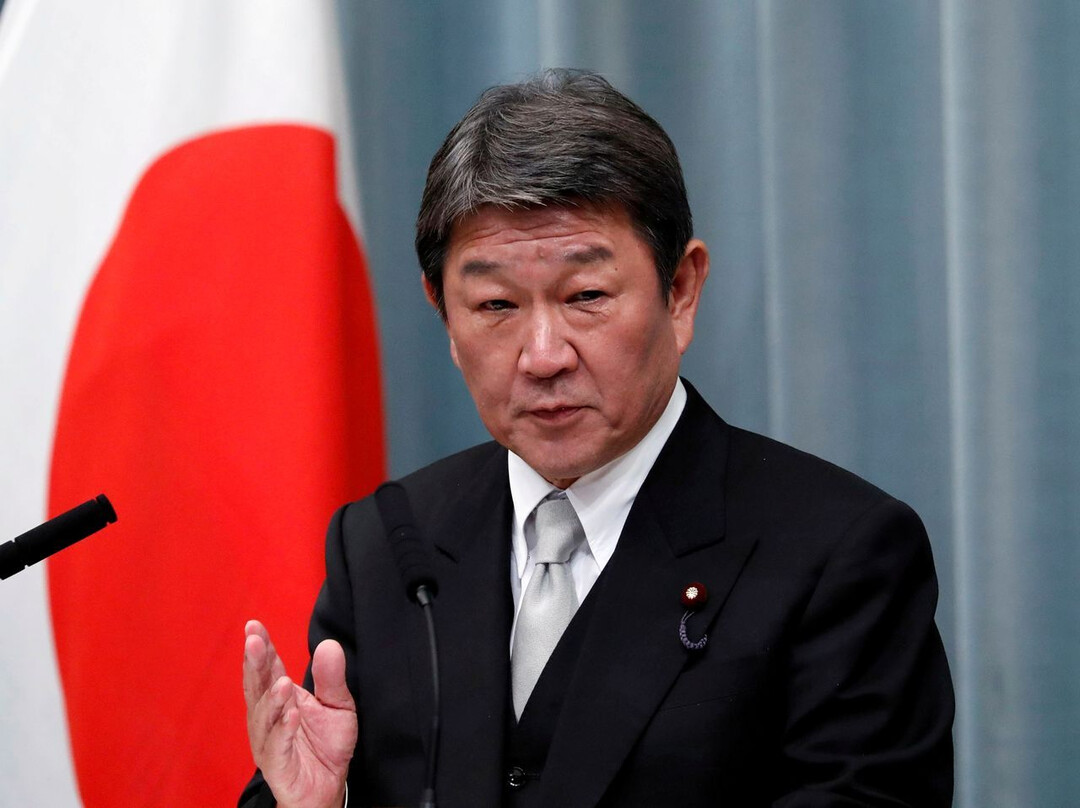
(C) Nippon.com
TOKYO – In an annual diplomatic policy speech delivered during a special session of the National Diet on Friday, Japanese Foreign Minister Toshimitsu Motegi repeated Tokyo’s territorial claims over South Korea’s easternmost islets of Dokdo, marking the 13th consecutive year such a claim has been made in an official parliamentary address.
Renewed Territorial Claims
Minister Motegi stated that "Takeshima" (the Japanese name for Dokdo) is an inherent part of Japanese territory, citing both historical facts and international law. "We will respond to this issue in a resolute manner," Motegi told the assembly, echoing the stance maintained by Japanese foreign ministers since 2014, when former Prime Minister Fumio Kishida held the post.
Diplomatic Duality: Partnership vs. Friction
Despite the provocative remarks regarding Dokdo, Motegi characterized South Korea as a "crucial neighbor" and a "partner" that Japan must collaborate with to address various challenges in the international community.
"To develop South Korea-Japan relations in a future-oriented and stable manner, we intend to maintain close communication," Motegi added.
He also emphasized the importance of the trilateral cooperation between Japan, China, and South Korea, expressing Japan's readiness to host the Trilateral Summit as the current chair—a meeting that failed to materialize last year.
Regional Security and Foreign Relations
The speech covered several other critical geopolitical issues:
North Korea: Motegi condemned North Korea’s nuclear and missile development as "unacceptable." He expressed "grave concern" over growing military cooperation between North Korea and Russia, noting its impact on both the situation in Ukraine and regional security.
Abduction Issue: He reaffirmed that the return of Japanese citizens abducted by North Korea remains a top priority, stating Japan remains committed to the 2002 Pyongyang Declaration to normalize ties after resolving nuclear and abduction issues.
China and Taiwan: Regarding China, the Foreign Minister pointed out ongoing concerns over unilateral attempts to change the status quo in the East and South China Seas. He stressed that the peace and stability of the Taiwan Strait are "vital" while maintaining that Japan seeks a "constructive and stable relationship" with Beijing through strategic dialogue.
[Copyright (c) Global Economic Times. All Rights Reserved.]