

SEOUL — South Korean President Lee Jae-myung is increasingly dedicating his Saturdays to domestic field trips, aiming to balance a packed weekday schedule with direct engagement in provincial regions and tangible policy inspections.
On Saturday, November 21, President Lee traveled to the southeastern industrial city of Ulsan to inspect the ongoing construction of SK Group's artificial intelligence (AI) data center at the Mipo National Industrial Complex. Donning an SK-branded safety helmet, the president emphasized the strategic role of large-scale regional infrastructure. Comparing the project to the historic Gyeongbu Expressway that fueled the nation's past industrial boom, Lee noted that an "AI highway" would drive South Korea's next major economic shift and help resolve chronic regional imbalances.
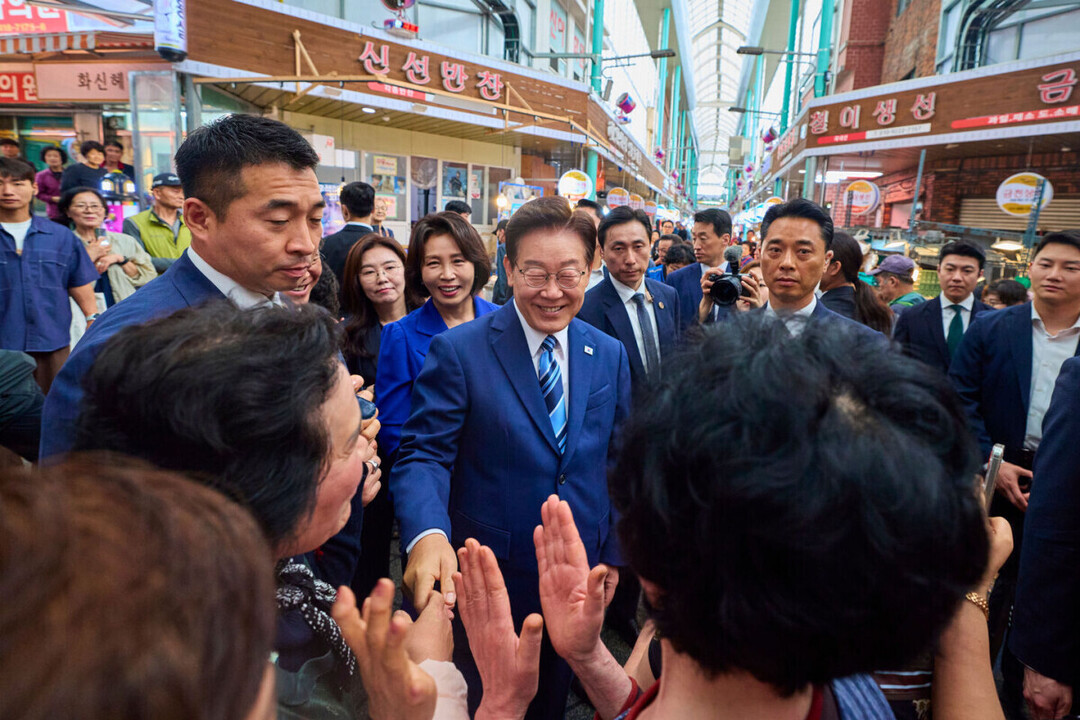
Following the industrial tour, Lee shifted his focus to grassroots economic sentiment by stopping at two local traditional markets in Ulsan—Dongulsan General Market and Hogye Public Market. Purchasing local street foods and staples such as gimbap, tofu, and sweet pancakes, he spoke directly with vendors and shoppers. Acknowledging complaints regarding the rising cost of living and sluggish local economies, Lee reassured residents that economic conditions are projected to improve next year.
The Ulsan visit reflects a broader weekend strategy by the presidential office to check on flagship administration initiatives. In late October, Lee spent a Saturday touring Cheongsong and Yeongyang counties in North Gyeongsang Province, both designated testbeds for his government's rural basic income policy. During those stops, he reviewed local merchant revenues and interacted with residents at mobile community markets. According to a presidential aide, regional trips typically require five to six hours of travel and engagement, making Saturdays the only viable window to conduct thorough on-site visits without disrupting weekday state affairs.
Alongside his physical tours, President Lee is diversifying his digital outreach. Earlier this month, he launched a biweekly talk-show-style YouTube series titled President's Y via the state-run KTV channel, designed to address citizens' questions and clarify government policies directly.
This push for multi-channel communication follows political debate in late September over the president’s frequent use of X (formerly Twitter). Rejecting calls from critics to scale back his social media activity, Lee defended online platforms as an essential, direct bridge to the public, pledging to utilize everything from press briefings and town halls to "fireside chats" and live broadcasts. Presidential officials stated that future weekend itineraries will continue to prioritize communities where policy outcomes are actively taking shape, aiming to demonstrate accountability and bolster local morale.
[Copyright (c) Global Economic Times. All Rights Reserved.]