![[등록] 2026-09-01 15:48:31](/support/_updata/banner2/tl181982910_6749.png)


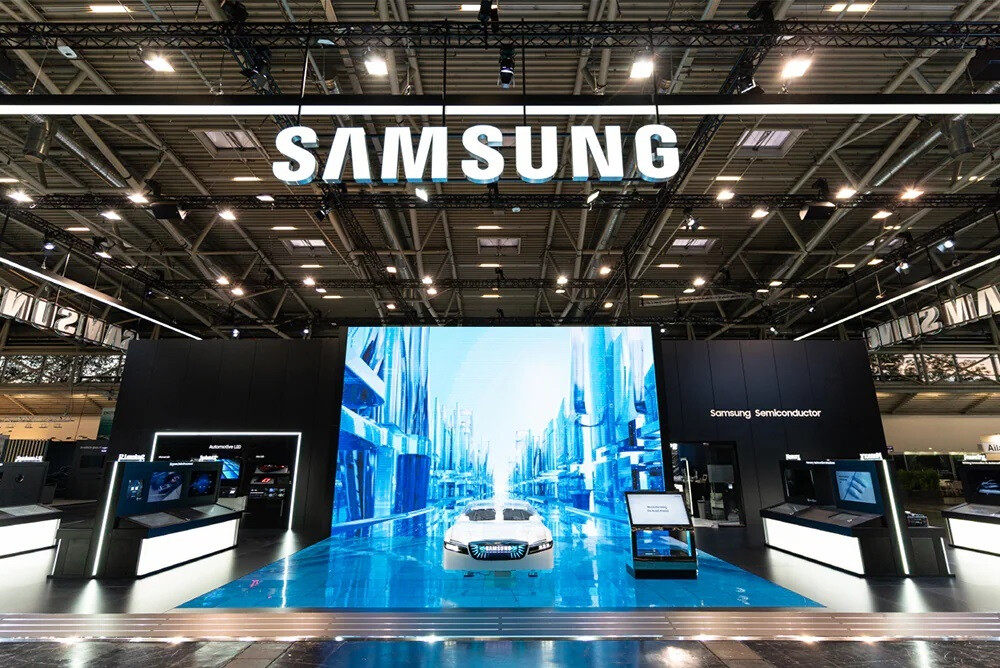
SEOUL – Samsung Electronics, the world’s leading television manufacturer, announced a high-profile leadership reshuffle for its visual display business on Monday. The move comes as the South Korean tech giant enters a rigorous "emergency management" phase to combat deteriorating profitability and aggressive competition from Chinese rivals.
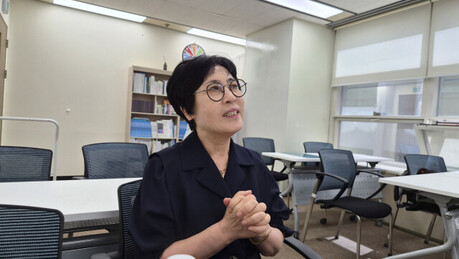
According to the company's announcement, Won-jin Lee, President of the Global Marketing Office, has been appointed as the new Head of the Visual Display (VD) Business Division. The incumbent head, President Seok-woo Yong, will transition to a horizontal role as an advisor to the Head of the Device Experience (DX) Division.
A Strategic Shift Toward Content and Services
The appointment of President Lee is seen as a strategic maneuver to pivot Samsung’s TV business beyond hardware excellence. Lee is widely recognized within the industry as an expert in content, services, and global marketing. He is credited with building the core infrastructure for Samsung’s mobile and TV service ecosystems, significantly enhancing the company’s global software competitiveness.
"President Lee’s deep understanding of the market and his proven leadership in business innovation are expected to drive a 'business turnaround,'" a Samsung representative stated. "We anticipate him to identify new growth engines and reinforce the competitive edge of our TV lineup through a fresh, service-oriented perspective."
Meanwhile, outgoing head Seok-woo Yong will leverage his R&D expertise to provide strategic counsel on future core technologies, including Artificial Intelligence (AI) and robotics, across the entire set-up business.
Battling a "Perfect Storm" of Economic Challenges
This leadership change is not an isolated event but a critical component of Samsung’s broader emergency management strategy. The DX Division, which oversees TVs, home appliances (DA), and smartphones (MX), is currently undergoing a massive restructuring aimed at cost-cutting and operational efficiency.
Reports indicate that the DX Division has been ordered to slash expenses by 30% across all departments. The company is also reviewing the closure of some non-core production lines—such as dishwashers—and shifting them to outsourced manufacturing (OEM/ODM) to lean out its operations. Since late March, an intensive management diagnostic has been underway at the company’s Korean headquarters to identify further inefficiencies.
The urgency stems from what analysts describe as a "perfect storm." Samsung's set businesses are being squeezed by a two-pronged threat: the relentless low-price offensive from Chinese manufacturers and the surging costs of essential components, semiconductors, and global logistics.
Grim Financial Outlook
The financial stakes are high. Securities analysts predict that Samsung’s home appliance division will continue to struggle with losses this year. More alarmingly, the smartphone (MX) division, which has traditionally been a cash cow, is projected to see its operating profit plummet. Market estimates suggest an operating profit of around 5 trillion won ($3.7 billion), a staggering 60% decline from the 12.9 trillion won recorded last year.
Industry observers note that Lee’s primary challenge will be to transform the TV from a mere viewing device into a central hub for digital services and subscription-based revenue. As hardware margins continue to shrink due to commoditization, Samsung is betting that Lee’s expertise in "platformizing" the TV experience will be the key to survival in an increasingly volatile global market.
With the global economy showing no immediate signs of recovery and competition reaching a fever pitch, all eyes are on President Lee to see if he can steer the world’s biggest TV maker back toward sustainable growth.
[Copyright (c) Global Economic Times. All Rights Reserved.]