![[등록] 2026-09-01 15:48:31](/support/_updata/banner2/tl181982910_6749.png)


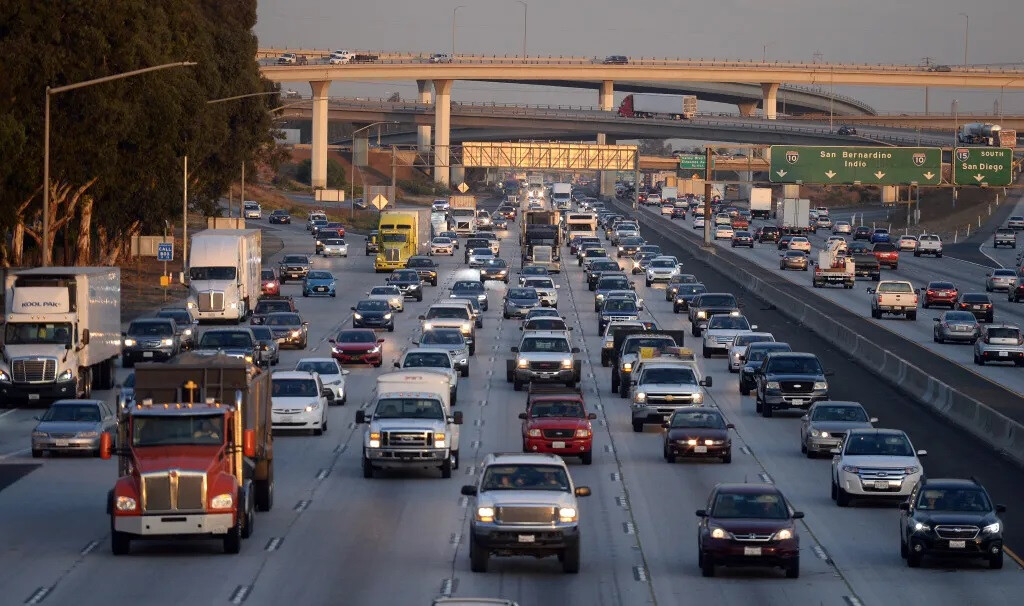
California stands at the forefront of a compelling clash: the rapid advancement of transportation innovation versus the entrenched systems of traditional public transit. As driverless taxis navigate Silicon Valley streets and flying cars undergo test flights, city planners and public transit unions are simultaneously lobbying for greater taxpayer funding to prop up the state's often financially strained train and bus systems. History suggests that new transportation technologies are likely to eventually supplant older ones, but the process raises concerns about the immense scale of tax dollars that could be consumed in the interim.
Last month, Waymo expanded its robotaxi service to the general public in Los Angeles, following its earlier launch in San Francisco. The app-based service functions similarly to Uber or Lyft, with the notable exception of eliminating the need to tip a driver. Having experienced the service a few times in San Francisco, this author concurs with Axios' Joann Muller's assessment that the Los Angeles iteration, while having minor quirks, is quite impressive. Waymo is set to continue its expansion throughout the year and may face competition from other players like Tesla and Zoox.
City planners voice concerns that robotaxis occupy too much road space, typically carrying only one or two passengers, while buses and trains boast significantly higher carrying capacities. However, the equation could shift dramatically if robotaxis take to the skies, potentially allowing far more passengers to traverse urban landscapes without the constraints of ground-level congestion. Several Bay Area startups are making considerable strides in commercializing flying cars, with Archer Aviation announcing plans to launch service in specific areas of Los Angeles in time for the 2026 World Cup. The company's ultimate goal is to drive down costs to compete with the likes of Uber.
Similar to Waymo's vehicles, these nascent air taxis are small, accommodating a maximum of four passengers. This compact size runs counter to the preferences of city planners who favor buses, and especially trains, for their ability to move large numbers of people at once.
The crux of the issue lies in the fact that not enough people consistently desire to travel from precisely the same point to another at precisely the same time. Consequently, buses and trains often operate below capacity.
While travelers in the past were more accustomed to aligning their schedules with bus and train timetables, rising incomes and greater access to better technology have led passengers to increasingly favor personalized services that operate on their own schedules, picking them up and dropping them off exactly where they desire. We have already witnessed this shift toward individualized services in other industries. In the 1970s, tens of millions of Americans tuned into the evening news programs of the three major broadcast networks, but today, many viewers opt to watch video clips on demand.
These emerging transportation alternatives are likely to trigger a fresh decline in public transit ridership, which has only partially recovered since the COVID-19 pandemic. Reduced fare revenue will further destabilize public transit agencies' finances, leading to increased demands for state subsidies and higher sales taxes.
Despite buses and trains frequently running with ample empty seats, public transit unions advocate for maximizing the frequency of buses and trains operated by their dues-paying drivers. While Silicon Valley has tackled the challenges of driverless ground transportation, the application of this technology to buses and trains is expected to face strong resistance from organized labor.
Adding to the fiscal pressures, city planners continue to push for the construction of more rail lines, often at exorbitant costs. The recent OC Streetcar project has reported further cost overruns and delays. The 4.15-mile light rail line through Santa Ana is now projected to cost $649 million and is slated for a spring 2026 opening. Looming next is LA Metro's 14.5-mile Southeast Gateway line, with an estimated price tag of $8.662 billion.
Finally, city planners are attempting to discourage driving through measures such as highway removal, the reallocation of lanes for bicycle users, the elimination of parking spaces, and the installation of speed bumps. While often justified on safety grounds, the evidence of the effectiveness of these car-unfriendly measures is mixed. Despite the City of Los Angeles' Vision Zero program, which has poured tens of millions of dollars into implementing "road diets," annual traffic fatalities remain higher than they were in 2015, the year former Mayor Eric Garcetti launched the initiative.
Ultimately, road diets, massive capital expenditures, and operating subsidies aimed at preserving public transit jobs will likely prove insufficient to stem this tide. The future of transportation is convenient, personalized, and rooted in high technology – and it is being forged right here in California.
[Copyright (c) Global Economic Times. All Rights Reserved.]