


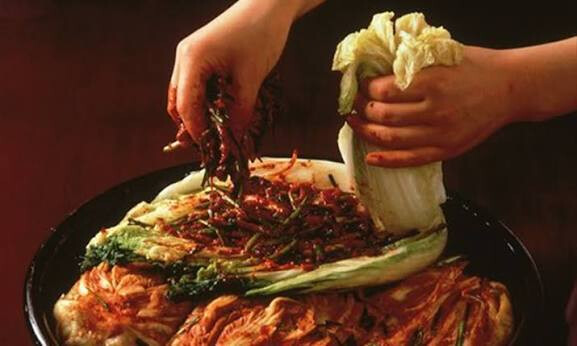
SEOUL — For decades, preparing gimjang—the traditional late-autumn ritual of making large batches of kimchi for the winter—meant keeping a close eye on the price of napa cabbage. This year, however, South Korean households faced an unexpected hurdle from the ocean rather than the farm: a sharp spike in the cost of salted shrimp (saeujeot), an essential seasoning for fermentation.
The price surge has forced some home cooks to travel directly to coastal hubs to cut costs. In Hongseong County, South Chungcheong Province, local markets in Gwangcheon—renowned for fermented seafood—have drawn shoppers looking to bypass retail markups, where direct purchases can save roughly 30 percent.
According to data released on Nov. 16 by the Korea Agro-Fisheries & Food Trade Corporation (aT), the retail price of 800 grams of salted shrimp jumped 42.1 percent from a year earlier to 15,174 won ($11). Anchovy fish sauce also edged up 7.6 percent. In contrast, favorable harvests drove down the cost of 20 heads of napa cabbage by 27.7 percent to 49,320 won, while five Korean radishes fell 12.4 percent to 8,920 won. Thanks to cheaper produce, the overall cost of making kimchi for a four-person household dropped 9.6 percent to 187,613 won, masking the volatility in marine ingredients.
Dwindling Catches in Warming Waters
Behind the price hike is a steep drop in domestic catches of jeotsaeu, the tiny shrimp used for salting. Figures from the Ministry of Oceans and Fisheries show that landings in the western port city of Incheon plummeted 55.3 percent year-on-year to 1,228 metric tons through late October. Consequently, wholesale shrimp prices in the region surged 72.6 percent to 22,875 won per kilogram.
Marine researchers point out that tiny coastal shrimp are highly sensitive to changes in water temperature and salinity. Heavy autumn rains can flush freshwater into coastal areas, lowering salinity and driving shrimp away from traditional fishing grounds, while unfavorable temperatures during spawning seasons can shrink populations.
South Korea’s surrounding waters are warming at more than double the global average. A 2026 climate briefing by the National Institute of Fisheries Science reported that sea surface temperatures around the peninsula rose by 1.60 degrees Celsius between 1968 and 2025, compared with a global average increase of 0.76 degrees. Average surface temperatures between July and September this year reached 26.95 degrees Celsius—1.49 degrees above the seasonal norm and the second-highest on record. While experts caution that multiple factors affect annual fishing yields, the data underscores how climate shifts at sea are increasingly dictating kitchen budgets on land.
Flavor Profiles and a Fading Ritual
Environmental changes may eventually alter not just the cost of kimchi, but its taste as well. A 2018 study by the World Institute of Kimchi found that seasonal variations shift the composition of lactic acid bacteria during fermentation; notably, Leuconostoc bacteria, which thrive in colder conditions and impart kimchi’s signature crisp, refreshing sweetness, are more prevalent in winter batches. Furthermore, research published in Horticulture, Environment, and Biotechnology in 2024 showed that cabbage grown in warmer summer months scored higher in bitterness (4.50) than winter-harvested cabbage (3.84). Although modern kimchi refrigerators can regulate fermentation temperatures, erratic weather threatens the baseline quality of raw ingredients.
Beyond flavor, unpredictable supply chains are accelerating a broader cultural shift away from homemade kimchi. A 2026 survey by the Korea Rural Economic Institute revealed that the share of households making their own kimchi—or receiving it from relatives—fell 5.5 percentage points from last year to 58.6 percent. Meanwhile, those opting to buy commercial kimchi rose by the same margin to 41.4 percent, citing convenience (34.4 percent) and the ability to buy smaller portions (43.9 percent).
Demographic trends, such as smaller family sizes, remain the primary drivers behind the decline in home preparation. Yet climate-induced volatility—where cabbages spike one year and seafood the next—adds a layer of logistical fatigue for aging home cooks.
In 2013, UNESCO inscribed gimjang on its Representative List of the Intangible Cultural Heritage of Humanity, recognizing not the dish itself, but the communal spirit of families and neighbors gathering to prepare and share food before winter. While mass-produced kimchi ensures the staple will remain on South Korean dining tables, recurring climate shocks in both fields and oceans risk turning a cherished communal tradition into a relic of the past.
[Copyright (c) Global Economic Times. All Rights Reserved.]