• 2025.12.16 (Tue)
  • All articles
  • LOGIN
  • JOIN
Global Economic Times
APEC2025KOREA가이드북
  • Synthesis
  • World
  • Business
  • Industry
  • ICT
  • Distribution Economy
  • Well+Being
  • Travel
  • Eco-News
  • Education
  • Korean Wave News
  • Opinion
  • Arts&Culture
  • Sports
  • People & Life
  • Column
    • Cho Kijo Column
    • Lee Yeon-sil Column
    • Ko Yong-chul Column
    • Cherry Garden Story
  • Photo News
  • New Book Guide
MENU
 
Home > Synthesis

South Korea Cracks Down on Foreigners' Illegal Real Estate Transactions

Desk / Updated : 2024-12-22 17:42:58
  • -
  • +
  • Print

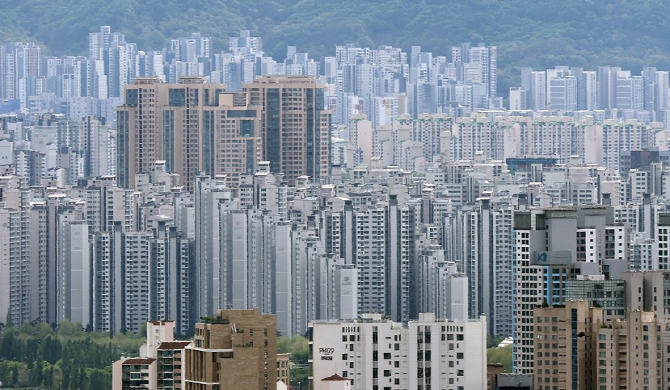
South Korea's Ministry of Land, Infrastructure, and Transport (MOLIT) has uncovered a significant number of illegal real estate transactions involving foreign nationals, primarily focused on apartments, land, and officetels. 1  A recent investigation revealed that 433 suspicious activities were identified in 282 transactions between January 2022 and June 2023.   

The investigation found that many foreign buyers had engaged in various illegal practices, including:

Undeclared cash transfers: Numerous individuals were found to have brought more than US$10,000 in cash into the country without declaring it, which is a violation of foreign exchange regulations. This cash was then used to purchase properties.
Illegal remittance: Some buyers resorted to illegal remittance methods, known as "hwanchee," to transfer funds from overseas to purchase properties in South Korea.
Unauthorized rental businesses: Foreigners holding visas that do not permit rental business activities, such as the H-2 visitor visa, were found to be operating rental properties illegally.
Loans from related parties: In many cases, buyers received loans from their parents or other relatives without proper documentation or interest payments, raising concerns about tax evasion.
Misuse of business loans: Some individuals used business loans obtained from financial institutions for real estate purchases instead of for business purposes.
Chinese nationals accounted for the largest proportion of the illegal transactions, representing 44.3% of the total cases. Americans and Australians followed with 14.9% and 5.4%, respectively. Seoul, Chungbuk, and Incheon were the regions with the highest number of illegal transactions.

The MOLIT plans to forward the findings of this investigation to the Ministry of Justice, the Financial Services Commission, and the National Tax Service for further investigation and potential tax penalties. The ministry has been conducting regular investigations into foreign real estate transactions since 2022 to prevent foreign speculation in the domestic property market.

Kim Kyu-cheol, director-general of the MOLIT's Housing and Land Bureau, stated, "We will continue to take strict measures against illegal and unfair practices that disrupt the real estate market, including ongoing investigations into suspicious transactions in newly designated residential areas, real estate agencies, and the greater Seoul area."

[Copyright (c) Global Economic Times. All Rights Reserved.]

  • #globaleconomictimes
  • #koyongchul
  • #cherrylee
  • #seoulkorea
  • #periodicoeconomico
  • #글로벌이코노믹타임즈
  • #GET
  • #GETtv
  • #liderdel
Desk
Desk

Popular articles

  • Korean Fashion Brands Set Sights on China: Dunst Opens Pop-up in Shanghai

  • Alliance in a Dilemma: The Fallout of Trump's Advice to Takaichi Not to 'Provoke Taiwan' 

  • South Korea Lauded as 'Model Ally' After Committing to 3.5% GDP Defense Spending

I like it
Share
  • Facebook
  • X
  • Kakaotalk
  • LINE
  • BAND
  • NAVER
  • https://www.globaleconomictimes.kr/article/1065602494496966 Copy URL copied.
Comments >

Comments 0

Weekly Hot Issue

  • 'AI' Dominates 2025 Book Titles in South Korea
  • End-of-Year Concert Extravaganza: Jo Sumi, Geum Nan-sae, and Danny Koo Headline Diverse Lineup
  • R.E.D. Sectors Poised for Growth in 2026, the Year of the 'Red Horse,' Driven by AI Investment Boom
  • South Korea Launches $115 Million Export Voucher Program to Boost SME Global Reach
  • Extension Granted for '2026 Honors for SME Contributors' Application
  • 44% of Recent Construction Projects Report Deficits, Industry Survey Finds

Most Viewed

1
Choi Bun-do, Chairman of PTV Group, Assumes Presidency of the Korean Chamber of Commerce and Industry in South Central Vietnam
2
From Court to Content: French Tennis Star Océane Dodin Trades Racquet for OnlyFans, Eyes $5M in a Year
3
Lee Dismisses Vice Minister Amid Allegations of Misconduct and Vetting Gaps
4
NVIDIA Lobby Succeeds? U.S. Bill Expected to Drop AI Chip Export Restrictions
5
US Layoffs Surge: Over 1.17 Million Job Cuts Announced in First 11 Months of 2025
광고문의
임시1
임시3
임시2

Hot Issue

South Korean AI Models Flunk College Entrance Math Exams, Lagging Far Behind Global Leaders

KRX Temporarily Slashes Stock Trading Fees by 20-40% to Counter ATS Rival

Israel Condemns Australia After Sydney Shooting, Citing 'Fueling' of Anti-Semitism

Lotte Mart Launches Major Imported Fruit Discount Event Amid High Prices

Let’s recycle the old blankets in Jeju Island’s closet instead of incinerating them.

Global Economic Times
korocamia@naver.com
CEO : LEE YEON-SIL
Publisher : KO YONG-CHUL
Registration number : Seoul, A55681
Registration Date : 2024-10-24
Youth Protection Manager: KO YONG-CHUL
Singapore Headquarters
5A Woodlands Road #11-34 The Tennery. S'677728
Korean Branch
Phone : +82(0)10 4724 5264
#304, 6 Nonhyeon-ro 111-gil, Gangnam-gu, Seoul
Copyright © Global Economic Times All Rights Reserved
  • 에이펙2025
  • APEC2025가이드북TV
  • 독도는우리땅
Search
Category
  • All articles
  • Synthesis
  • World
  • Business
  • Industry
  • ICT
  • Distribution Economy
  • Well+Being
  • Travel
  • Eco-News
  • Education
  • Korean Wave News
  • Opinion
  • Arts&Culture
  • Sports
  • People & Life
  • Column 
    • 전체
    • Cho Kijo Column
    • Lee Yeon-sil Column
    • Ko Yong-chul Column
    • Cherry Garden Story
  • Photo News
  • New Book Guide
  • Multicultural News
  • Jobs & Workers