![[등록] 2026-09-01 15:48:31](/support/_updata/banner2/tl181982910_6749.png)


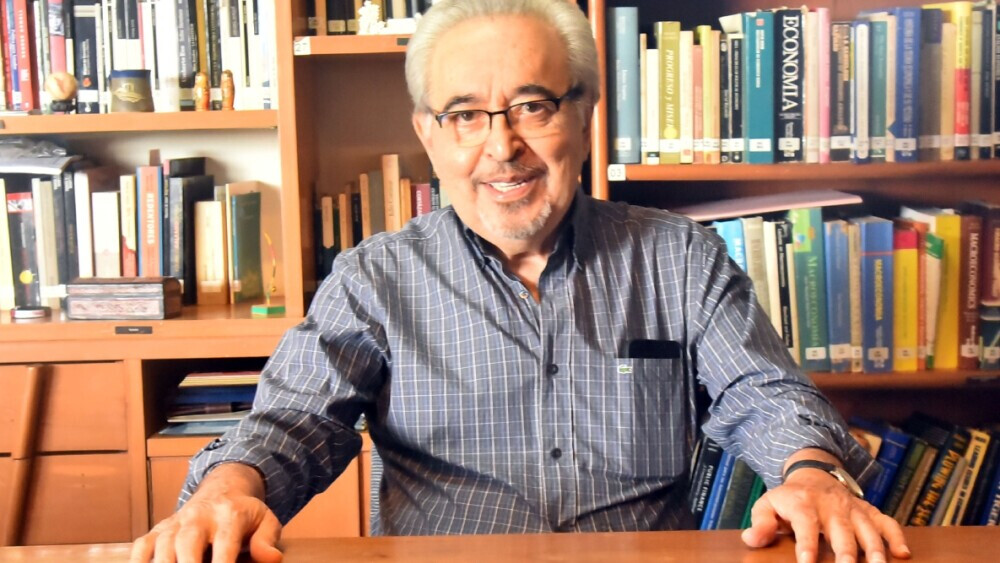
Asunción, Paraguay – Former Finance Minister Dionisio Borda has sharply criticized the current Paraguayan government's postponement of crucial reforms to the nation's financially strained pension fund system, known locally as the Caja Fiscal. In an exclusive interview with ÚH, Borda emphasized the urgent need for changes that do not favor any specific sector and warned against further delays, labeling the current inaction a "mistake" with potentially severe long-term consequences.
Borda expressed his concern over the Ministry of Economy and Finance's (MEF) apparent reluctance to prioritize the reform of the public sector pension and retirement system, which is grappling with a growing deficit. He stated, "The reform of the Caja Fiscal should have been the government's top priority. However, the MEF has left it as the last item to be presented in the reform package. Many economists believe this delay is a mistake."
Drawing on his experience as Finance Minister in 2003, Borda recalled that the Caja Fiscal was identified as a primary target for reform due to its significant operational deficit, leading to an increase in contribution rates at the time. "Back then, we managed to increase contributions from 14% to 16% and tried to reduce the heterogeneity of benefits among the six sectors. Unfortunately, improvements introduced for political reasons were systematically reversed, bringing us back to square one, with a growing high operational deficit. Since the current government took office, the current situation of the Caja Fiscal is truly unsustainable," he stressed.
While acknowledging current Economy Minister Carlos Fernández Valdovinos's argument to begin reforms with sectors like the police and military – which account for the largest portion of the deficit, followed by judges and university professors (though the latter have a relatively lower financial weight) – Borda argued that the public retirement system requires a comprehensive approach to address the disparities among the six beneficiary sectors.
"I understand the government's intention to handle it individually to avoid a massive backlash from unions. Starting with the police and military might seem like the path of least resistance, as they not only have the highest deficit but also are unlikely to mobilize against the government. However, while it took time to process the Caja Fiscal and discuss and negotiate with each sector of the public retirement system, I don't believe this is the right way. We need to sit down with representatives from all six sectors," Borda asserted.
He proposed presenting a comparative analysis of key parameters or indicators, such as retirement age, the relationship between contributions and benefits at retirement, and the adjustment of pensions based on current salary increases. He acknowledged that everyone desires greater benefits, but this is financially unfeasible.
"Perhaps it might be more difficult, but the reform of the contribution system must seek convergence due to the very large gaps between the six sectors. Eliminating the inequalities and the insolvency of the system are the two main objectives of the reform. Therefore, it must be addressed jointly. The difference in benefits among the six sectors is truly unequal. We need to create a level playing field without favoring any specific sector," he emphasized.
Finally, Borda warned that time is running out for reform, especially as it risks overlapping with the upcoming municipal election process, which could introduce partisan influences. "The deficit of the Caja Fiscal, with the growing deficit paid by taxpayers and the differences in benefits between sectors, is the most demanded issue by citizens. Further delays will make a serious reform difficult, so we must act now. The 2003 reform was good, but partisan influences systematically eroded it, leading to a more dramatic repeat of history," Borda concluded.
Background on Paraguay's Pension Fund Crisis:
Paraguay's Caja Fiscal manages the pensions and retirement funds for public sector employees. For years, the system has faced significant financial instability, primarily attributed to generous benefits and low contribution rates for certain powerful professional groups, including the police, military, judiciary, and university professors. These discrepancies have created a substantial and growing fiscal deficit, placing a heavy burden on the national budget and taxpayers.
The reforms implemented during Borda's tenure as Finance Minister in 2003 aimed to stabilize the fund through measures such as increased contribution rates and adjustments to benefits. However, subsequent political pressures and reversals undermined the effectiveness of these initial efforts, leading to the current precarious situation.
The current government has acknowledged the urgency of the issue and intends to implement comprehensive reforms. However, it faces considerable opposition from labor unions and other vested interests who fear reductions in their benefits. The government's strategy of addressing the sectors individually, starting with the military and police, is seen by some as a pragmatic approach to minimize immediate widespread resistance.
Experts and economists largely agree that a fundamental overhaul of the pension system is necessary to ensure its long-term sustainability. This includes reducing the preferential treatment of certain groups, establishing fairer contribution and benefit structures across all public sectors, and potentially raising contribution rates and adjusting retirement ages. The debate continues on the most effective and politically feasible path forward to secure the financial future of Paraguay's public pension system and alleviate the burden on taxpayers. The warning from a seasoned former finance minister like Borda underscores the critical juncture at which Paraguay now stands regarding this vital economic issue.
[Copyright (c) Global Economic Times. All Rights Reserved.]