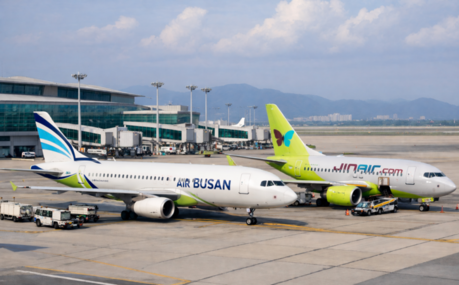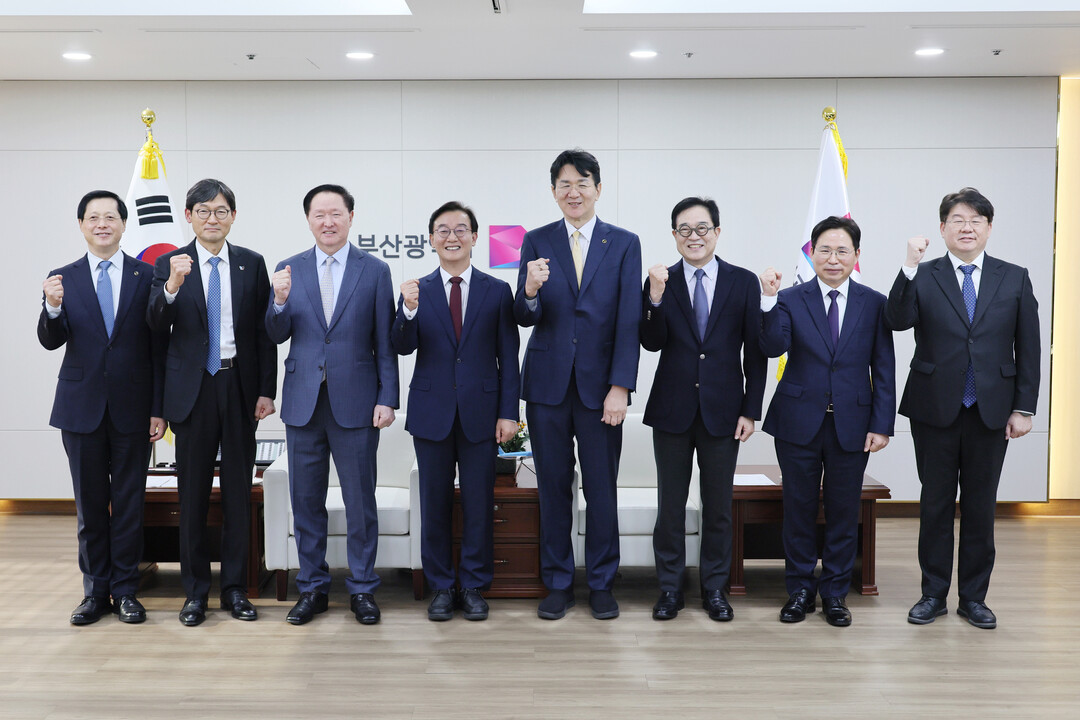
On November 26, Busan Metropolitan City (Mayor Chun Jae-soo) and Hanjin Group (Chairman Walter Cho) held a meeting at City Hall and officially agreed to locate the headquarters of the integrated LCC—merging Air Busan, Jin Air, and Air Seoul—in Busan.
With a fleet of 60 aircraft and first-year projected revenue of approximately 3 trillion KRW, the settlement of South Korea’s largest mega-LCC in Busan is expected to revitalize the local economy by creating quality jobs and driving shared growth in related industries.
Mayor Chun stated, "We will actively support strengthening the integrated LCC's role as a second hub and plan to expand our global aviation network by revitalizing Gimhae International Airport and successfully opening Gadeokdo New Airport."
Busan Metropolitan City (Mayor Chun Jae-soo) and Hanjin Group (Chairman Walter Cho) announced that they held a meeting today (the 26th) at 2:30 PM in the protocol room of City Hall, agreeing to establish the integrated headquarters of Air Busan, Jin Air, and Air Seoul in Busan ahead of its launch next March. During the meeting, both sides formalized the Busan location for the headquarters and agreed to cooperate closely to build an aviation hub in the southern region and develop the local aviation industry.
This agreement is the result of close communication and consultation between the city and Korean Air, grounded in Hanjin Group’s broad-minded decision recognizing Busan’s growth potential and balanced national development. Beyond a simple corporate relocation, it is expected to lay a core foundation for the aviation industry in Busan and inject new vitality into the regional economy.
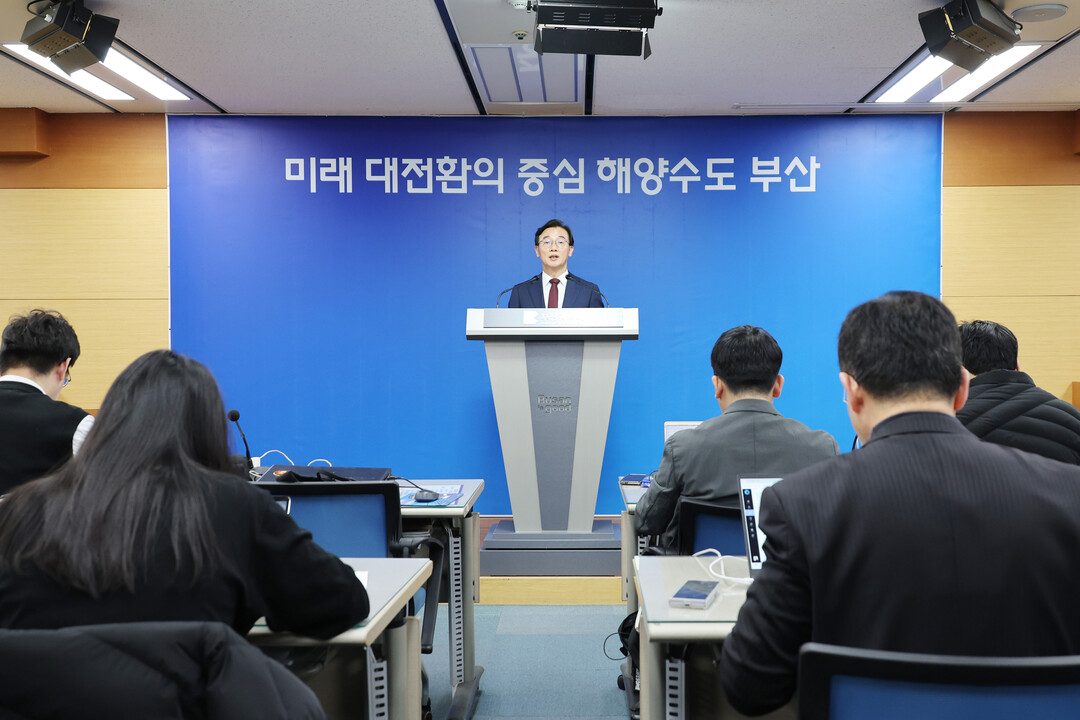
The integrated LCC (Low-Cost Carrier) is projected to launch as South Korea's largest mega-LCC, boasting a combined fleet of 60 aircraft—21 from Air Busan, 33 from Jin Air, and 6 from Air Seoul—along with approximately 3 trillion KRW in first-year revenue and a passenger volume of around 15 million from January to September of this year. In particular, by actively utilizing and advancing Busan’s existing aviation infrastructure and industrial base, the carrier is expected to further strengthen its industrial competitiveness and grow into a leading global LCC in Northeast Asia by expanding its fleet to over 70 aircraft in the future. Furthermore, the establishment of the integrated LCC headquarters in Busan is anticipated to bring positive effects, including the local settlement of aviation professionals, creation of quality jobs, shared growth in related sectors such as aviation services, maintenance, and tourism, and the nurturing of local talent.
Welcoming Hanjin Group’s decisive move, the city plans to actively pursue necessary administrative and financial support measures so that the integrated LCC can stably settle and achieve sustainable growth in Busan, while respecting the company's management autonomy and independent decision-making. Additionally, concrete action plans for headquarters operations and phased strategies for anchoring core functions in Busan will be discussed sequentially with Korean Air and Jin Air.
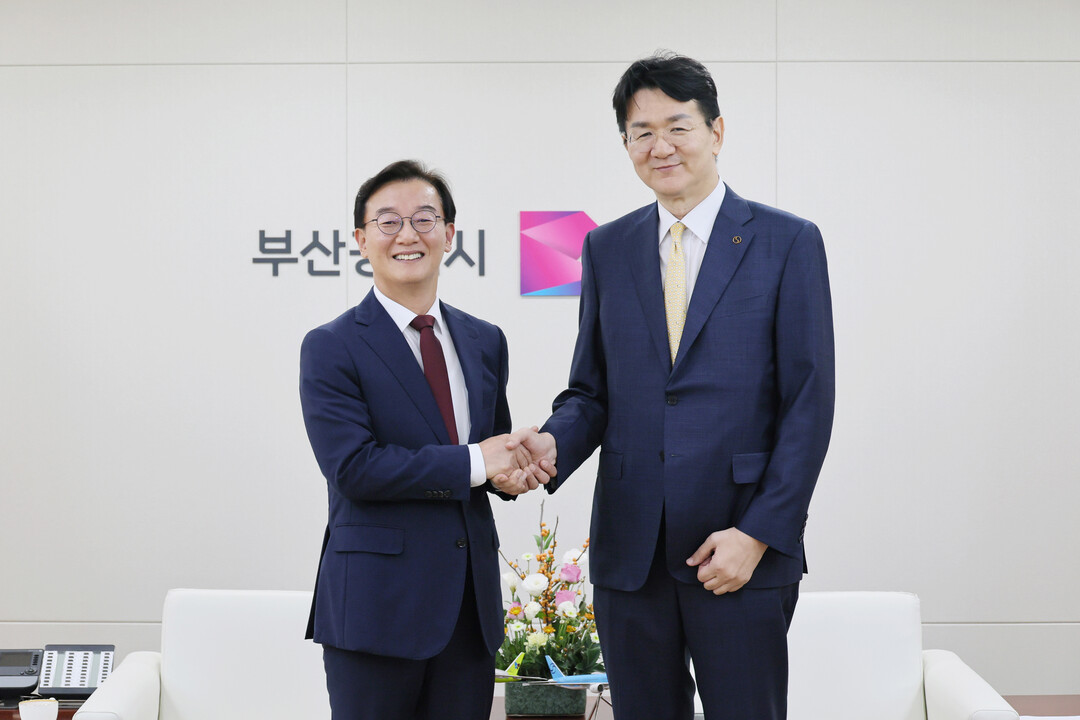
Both parties also intend to strengthen cooperation so that the integrated LCC can serve as a second hub in the southern region based in Busan, driving the development of the local aviation industry and a leap toward becoming a global gateway airport. They plan to mutually cooperate across diverse fields, including expanding international routes to revitalize Gimhae International Airport, supporting the successful opening of Gadeokdo New Airport, building a future aviation industry ecosystem, and fostering local talent.
Mayor Chun Jae-soo remarked, "If pioneering the Northern Sea Route and constructing Gadeokdo New Airport are about opening new gateways for Busan to the world, relocating the integrated LCC headquarters to Busan is about paving the road to reach out to the world through those gateways." He added, "Based on this, together with Hanjin Group, we will strengthen our global competitiveness so that Busan's economy and industries can connect more actively with the world and expand their stage globally."
[Copyright (c) Global Economic Times. All Rights Reserved.]