
![[등록] 2026-09-01 15:48:31](/support/_updata/banner2/tl181982910_6749.png)


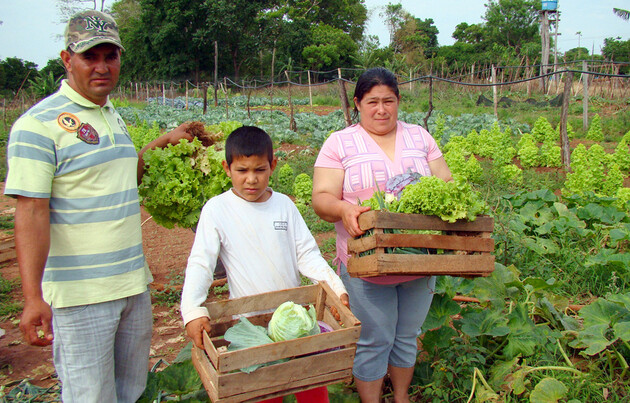
Asunción, Paraguay - In an era marked by global economic volatility and escalating climate challenges, the resilience of a nation's agricultural sector stands as a critical pillar of stability. For Paraguay, family farming, which constitutes approximately 90% of its agricultural production units, emerges not only as a significant source of employment and income but also as a vital bulwark against food insecurity and inflationary pressures.
Recent global events, including financial crises, the growing impact of climate change, and pandemic-induced supply chain disruptions, have underscored the fragility of global food systems and their direct impact on consumer prices. In Paraguay, where the economy is susceptible to import dependence and exchange rate fluctuations, the role of a robust domestic agricultural sector, particularly family farming, becomes paramount.
Family farms in Paraguay predominantly cultivate essential crops such as cassava, corn, beans, and vegetables, catering directly to local market demands and culinary traditions. This focus on domestic production inherently reduces the nation's reliance on food imports, a crucial advantage in a global landscape characterized by surging commodity prices and logistical bottlenecks. While Paraguay may turn to neighboring Argentina and Brazil to supplement supplies during adverse weather events like droughts and floods, these dollar-denominated imports exert pressure on the local currency, further exacerbating inflation.
A strengthening US dollar translates to higher costs for imported goods, including essential agricultural inputs like fertilizers and machinery, disproportionately affecting small-scale family farmers. This creates a detrimental cycle that fuels food inflation, which has consistently outpaced overall inflation in Paraguay since 2019, hindering nutritional security and undermining poverty reduction efforts.
The symbiotic relationship between a thriving family farming sector and effective inflation control hinges on bolstering Paraguay's productive self-reliance. Strategic investments in rural infrastructure, enhanced access to affordable credit, and the integration of sustainable agricultural technologies are crucial steps towards amplifying the productivity and diversification of family farms. This, in turn, diminishes the necessity for imports and fortifies the sector's overall resilience.
Beyond ensuring food availability, family farming plays a pivotal role in safeguarding the purchasing power of the majority of Paraguayans who are most vulnerable to economic downturns. A comprehensive policy framework that prioritizes and supports family farming is essential to mitigate the risks associated with import dependence and exchange rate volatility, transforming this sector into a formidable shield against mounting global economic uncertainties.
Without a cohesive national strategy dedicated to bolstering domestic food production for both direct consumption and the food processing industry, Paraguay remains vulnerable to inflationary pressures stemming from a precarious domestic food supply, an unstable dollar, and reliance on international markets.
The state's fundamental responsibility includes guaranteeing food security – ensuring consistent physical, social, and economic access to sufficient, safe, and nutritious food that aligns with dietary needs and preferences. The concerning rise in nutritional insecurity in recent years underscores the urgency for governmental intervention.
To further empower Paraguay's family farmers, additional measures beyond mere investment are necessary. These include facilitating the adoption of smart agricultural technologies, strengthening farmer cooperatives and market access through direct sales platforms, expanding access to tailored agricultural financing and insurance, promoting sustainable and climate-resilient farming practices, upgrading essential rural infrastructure, and fostering consumer awareness regarding the value of local produce.
Ultimately, family farming is indispensable to Paraguay's pursuit of food security and economic stability. By proactively investing in and providing multifaceted support to this vital sector, Paraguay can unlock its full potential, build a more resilient economy capable of weathering external shocks, and significantly improve the quality of life for all its citizens. The government must recognize the critical importance of food security and prioritize sustainable agricultural policies centered on the strength and vitality of its family farms.
[Copyright (c) Global Economic Times. All Rights Reserved.]














