![[등록] 2026-09-01 15:48:31](/support/_updata/banner2/tl181982910_6749.png)


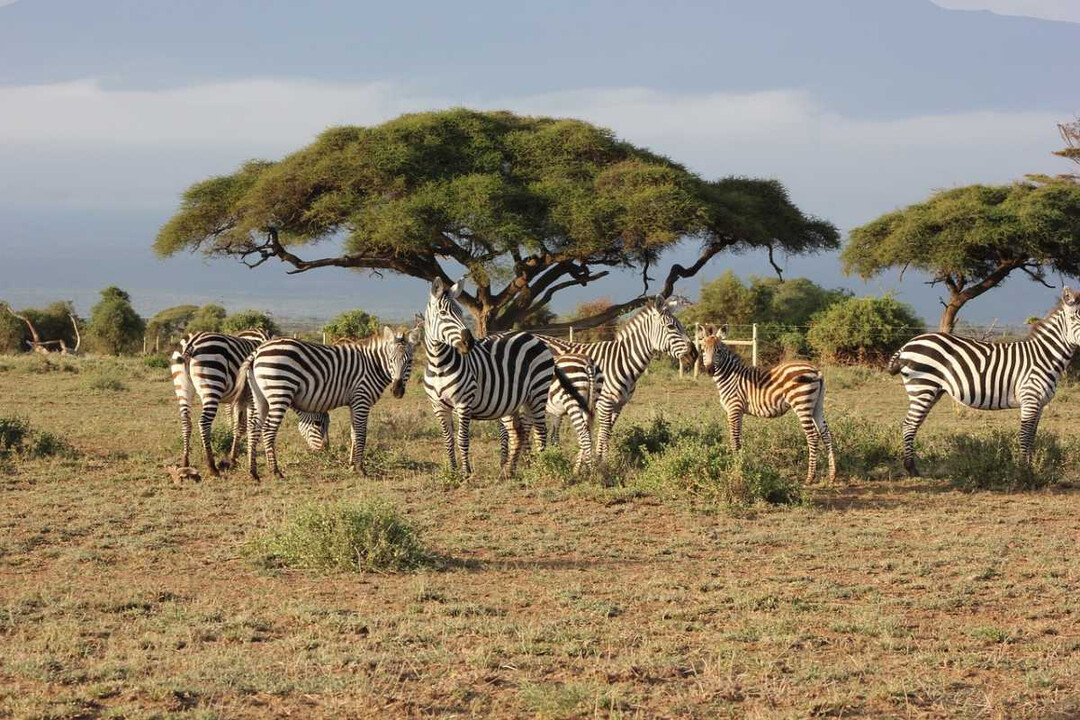
The Serengeti-Mara ecosystem, a UNESCO-recognized natural treasure, is facing unprecedented threats from overtourism, rapid development, and human encroachment. This iconic landscape, home to the world's largest remaining unaltered animal migration, is witnessing a drastic decline in wildlife populations and increasing displacement of indigenous Maasai communities.
Overtourism and its Devastating Impact:
Kenya's Maasai Mara National Reserve, a critical part of this ecosystem, has become a stark example of the detrimental effects of unregulated tourism. Since Kenya's independence in 1963, tourism has exploded, contributing significantly to the nation's economy, with approximately $1.8 billion generated in 2022, representing 10.4% of the GDP and 5.5% of formal employment. However, this growth has come at a steep environmental cost.
The uncontrolled proliferation of lodges and camps, often built without permits, has led to overcrowding and habitat destruction. Wildlife populations have plummeted: giraffe numbers have decreased by 95%, warthogs by 80%, and hartebeest by 76% between 1989 and 2003. The annual wildebeest migration, a hallmark of the Serengeti-Mara, has seen a 75% reduction since the 1970s, now numbering fewer than 250,000.
The intense pressure from tourism is particularly evident during the wildebeest river crossings, where dozens of vehicles converge, disrupting animal behavior and leading to accidents. Incidents of vehicles hitting wildlife and mothers abandoning their young due to tourist interference highlight the urgent need for stricter regulations. Cheetahs, a vulnerable species, are also suffering, with tourism impacting their reproductive success and hunting abilities.
Development and Human Encroachment:
Beyond tourism, the ecosystem faces threats from agricultural expansion, infrastructure development, and poaching. Tanzania's population is projected to double by 2050, increasing pressure on land and resources. The expansion of human settlements and livestock grazing has compressed wildlife into smaller areas, leading to competition for resources and habitat loss.
Water scarcity, exacerbated by irrigation for crops, threatens the ecosystem's delicate balance. Invasive plant species, introduced through tourism facilities, are displacing native flora and impacting wildlife nutrition. Road construction further fragments habitats, hindering animal migration. Poaching, now often conducted by organized gangs, poses a significant threat to vulnerable species.
The Plight of the Maasai Communities:
The Maasai, who have coexisted with wildlife for centuries, are facing increasing displacement and marginalization. In Kenya, while some Maasai communities have benefited from tourism through conservancies, the benefits are unevenly distributed, with older men reaping the most rewards.
In Tanzania, the government's push for tourism development has led to the eviction of Maasai communities from their ancestral lands. The government views the Maasai's traditional lifestyle as a hindrance to tourism and is actively pressuring them to relocate. The loss of grazing land in Loliondo and the potential mass evictions from the Ngorongoro Conservation Area have sparked international outcry and led to the European Union canceling conservation funding for Tanzania.
Evolving Tourism and the Need for Sustainable Practices:
Despite the environmental and social challenges, tourism continues to evolve, with a focus on luxury experiences. New developments, such as golf courses, tennis courts, and high-end villas, are being built, often with little regard for environmental impact assessments. The expansion of major hotel chains, like Marriott, further underscores the industry's growth.
However, there is a growing recognition of the need for sustainable tourism practices. Travel companies are being urged to uphold best practices, support local communities, educate travelers, and advocate for responsible policies. The industry must shift from a model of exploitation to one of conservation and community empowerment.
The Path Forward:
The Serengeti-Mara ecosystem is at a critical juncture. Urgent action is needed to mitigate the impacts of overtourism and development. This includes:
Implementing stricter regulations: Limiting the number of tourists and vehicles, enforcing building codes, and protecting wildlife habitats.
Promoting sustainable tourism: Encouraging eco-friendly practices, supporting local communities, and investing in conservation.
Empowering Maasai communities: Recognizing their rights, involving them in tourism management, and ensuring equitable distribution of benefits.
Addressing human encroachment: Implementing land-use planning, promoting sustainable agriculture, and managing water resources.
Combating poaching: Strengthening law enforcement, supporting anti-poaching initiatives, and reducing demand for illegal wildlife products.
Enhancing monitoring and research: Tracking wildlife populations, assessing environmental impacts, and informing policy decisions.
The future of the Serengeti-Mara depends on a collective effort to balance tourism development with conservation and the well-being of local communities. Only through responsible and sustainable practices can this iconic ecosystem be preserved for future generations.
[Copyright (c) Global Economic Times. All Rights Reserved.]