![[등록] 2026-09-01 15:48:31](/support/_updata/banner2/tl181982910_6749.png)


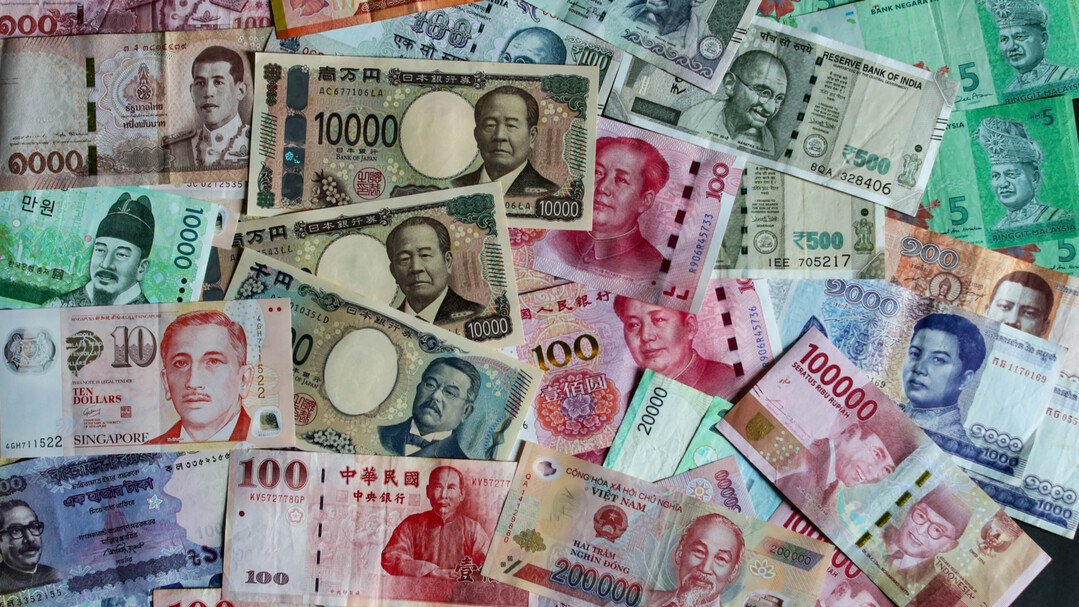
Southeast Asia is currently grappling with a trifecta of fiscal instability, ballooning national debt, and weakening currencies. As governments across the region struggle to implement energy subsidy programs in response to rising global oil prices and geopolitical tensions, international investors are signaling a lack of confidence, leading to a significant exodus of capital from regional markets.
The Philippines: A Record Low for the Peso
The Philippines is perhaps the most acute case of this fiscal strain. With the government’s budget deficit expected to reach 5.3% of its GDP—the highest among major Southeast Asian nations—the Philippine peso has been in a downward spiral. Last month, the currency hit a historic low of 60 pesos to the US dollar.
The root of this crisis lies in the government's response to the Middle East conflict, which sparked an energy price surge. In March, the Manila government announced a subsidy program offering 5,000 pesos (approximately $85) to public transport drivers. While initially intended only for tricycle drivers, the program’s scope was rapidly expanded to include taxis and buses, significantly inflating fiscal expenditures and creating a long-term burden on the national treasury.
Thailand: The Debt Trap of Fuel Subsidies
Thailand’s situation reflects the danger of relying on stabilization funds to shield consumers from market volatility. The Thai government has been utilizing an "Oil Fuel Fund" to subsidize diesel prices. However, as global oil prices remain elevated, the fund’s deficit ballooned to 42 billion baht (approximately $1.15 billion) by the end of March.
According to Nikkei Asia, the Thai government is currently exploring options to borrow up to 20 billion baht to cover these losses. Economists are sounding the alarm, warning that such borrowing will only lead to an unsustainable increase in public debt, further spooking investors and weakening the baht.
Vietnam: Trade Deficits and Currency Pressure
Vietnam is facing a similar dilemma. By leveraging its petroleum stabilization funds to curb the impact of fuel price spikes, the nation is inadvertently contributing to a worsening trade balance and putting intense downward pressure on the Vietnamese dong. The government recently projected that the trade deficit for the first half of the year would reach $15 billion, a stark figure that highlights the country’s vulnerability to energy price fluctuations.
The Exodus of Foreign Capital
The combined effect of these fiscal policies has triggered a massive sell-off by foreign investors, who are increasingly wary of the long-term economic outlook for the region. In March alone, foreign investors net-sold $823 million in Thai equities and $705 million in Thai bonds—the largest capital outflow since October 2024.
Vietnam has not been immune to this trend. Foreign investors pulled $1.2 billion out of the Vietnamese stock market in the first four months of this year, as market sentiment soured due to the lack of clear fiscal recovery strategies.
Conclusion: A Call for Structural Reform
The ongoing reliance on subsidies to stabilize domestic prices, while politically popular, is proving to be a double-edged sword. By depleting national reserves and driving up sovereign debt, these Southeast Asian nations are effectively trading long-term economic stability for short-term consumer relief.
As global economic headwinds persist, experts suggest that Thailand, the Philippines, and Vietnam must pivot away from emergency subsidy models and toward more sustainable structural reforms. Failure to do so may lead to further currency devaluation, making imports more expensive and potentially triggering a vicious cycle of inflation that could dampen economic growth for years to come.
[Copyright (c) Global Economic Times. All Rights Reserved.]