SEOUL — Environmental and civil society organizations in South Korea are pressing the administration to implement stricter climate guidelines for artificial intelligence infrastructure, calling on Seoul to endorse the upcoming "Antalya AI Pledge."
In a joint statement released Monday, three prominent Korean environmental watchdog groups—the Green Transition Institute, the People’s Solidarity for Participatory Democracy (PSPD), and Eco-Korea—criticized the government for aggressively fast-tracking large-scale AI data center expansions without establishing adequate environmental safeguards.
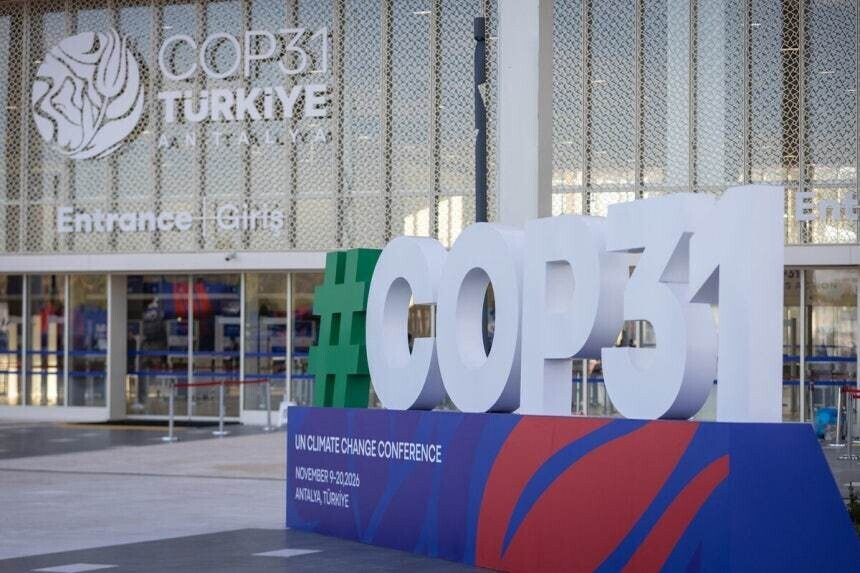
The appeal centers on the Antalya AI Pledge, a voluntary global initiative introduced at the 31st United Nations Climate Change Conference (COP31) in Antalya, Turkey. While non-binding, the initiative urges nations to ensure that the digital infrastructure powering AI—including massive server farms and cooling systems—adheres to sustainable practices across its entire lifecycle, from design to energy consumption and environmental tracking.
Local advocates warn that South Korea’s ambitious push to build up to 18.4 gigawatts of AI data center capacity by 2035 relies too heavily on deregulation and streamlined approvals. Despite warnings from state auditors regarding energy management, the government has been slow to adopt binding efficiency standards or monitor resource usage.
According to global energy trackers, worldwide data center emissions are projected to double to roughly 350 million tons by 2035, frequently driving up reliance on fossil fuels like coal and natural gas. Furthermore, roughly a quarter of the world's data facilities are currently situated in water-stressed regions, straining local utilities.
Internationally, regulatory frameworks are tightening. The European Union now requires large data facilities to publicly disclose energy and water consumption metrics, and several nations—including Germany, Ireland, and Spain—have tied operational permits to renewable energy benchmarks. China maintains a strict Power Usage Effectiveness (PUE) cap of 1.5 for data center approvals.
The Korean coalition argues that Seoul must halt its uninhibited rush for infrastructural expansion and thoroughly assess the long-term ecological toll of surging power and water demands.
"The expansion of the AI industry must not come at the expense of climate goals or local community sustainability," the groups stated, urging policymakers to pivot from pure deregulation toward actionable, sustainable AI policies.
[Copyright (c) Global Economic Times. All Rights Reserved.]