• 2026.11.27 (Fri)
  • All articles
  • LOGIN
  • JOIN
Global Economic Times
한인동포뉴스(상단)
  • Synthesis
  • World
  • Business
  • Industry
  • ICT
  • Distribution Economy
  • Well+Being
    • Pet Life
    • Halal Horizon
  • Travel
  • Eco-News
  • Education
  • Korean Wave News
  • Opinion
  • Arts&Culture
  • Sports
  • People & Life
    • International Student Report
    • With Ambassador
  • Column
    • Cho Kijo Column
    • Cherry Garden Story
    • Ko Yong-chul Column
    • Kim Bong-seon's Photo Column
    • Kim Seul-Ong Column
    • Lee Yeon-sil Column
    • Professor Lee Soo-young’s Life Essays
  • Photo News
  • New Book Guide
MENU
 
Home > Eco-News

Algal Blooms in South Korea’s Nakdong River Spark Health and Livelihood Concerns

Kim Young Min Reporter / Updated : 2026-11-26 19:43:06
  • -
  • +
  • Print
Local fishermen and researchers warn of skin conditions, contaminated catches, and potential long-term toxin exposure at a Gyeongnam civic forum.

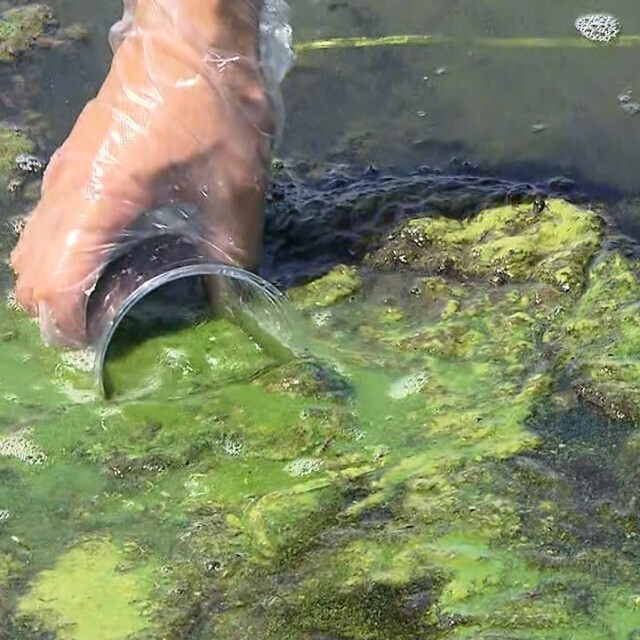
Body: CHANGWON, South Korea — Worsening seasonal algal blooms in the Nakdong River are threatening both the livelihoods of local fishermen and public health, residents and environmental experts warned during a civic forum held at the Gyeongnam Provincial Council on Thursday.

Co-hosted by four regional civic and environmental coalitions, the 60-minute roundtable brought together roughly 60 residents to address gaps in government monitoring and risk management regarding toxic algae.

Impact on Local Fisheries

For inland fishermen working along the river, the ecological toll has translated directly into physical ailments and economic loss. A 62-year-old fisherman with over three decades of experience in Miryang shared that direct contact with river water last year left him with severe skin rashes—an issue he only avoided this year by wearing protective rain gear. He also presented photographic evidence of local carp and crucian carp exhibiting abscesses, noting that finding several diseased fish a day has severely damaged consumer trust in freshwater catches.

Ryu In-jang, head of the Miryang Inland Fishery Association, attributed the deteriorating water quality to infrastructure changes. He explained that replacing natural, plant-lined agricultural ditches with concrete channels has eliminated natural water filtration and destroyed spawning grounds for native fish, allowing pollutants to flow unchecked into the river's main stream. Ryu urged authorities to establish regular, state-backed health screenings for nearby farmers and fishermen, similar to annual national health checkups.

Agricultural and Public Health Warnings

Academic experts at the forum underscored that the risks extend beyond direct water contact into the broader food supply.

Professor Lee Seung-jun of Kyungpook National University warned that irrigating farmlands with algae-tainted water can lead to the accumulation of cyanotoxins, such as microcystin, in crops. Citing an analysis of government data from 2014 to 2023, Lee noted a correlation between higher cyanobacteria concentrations in the Nakdong River basin and declining rice yields, aligning with existing research showing that microcystin stunts plant growth.

Seoul National University Professor Emeritus Paik Do-myung called for an immediate institutional surveillance system to track toxin-related illnesses, warning that health impacts often go unrecognized without dedicated epidemiological tracking. To illustrate the danger, Paik referenced a 1988 outbreak near Brazil’s Itaparica Dam—which sickened over 2,000 people and killed 18, disproportionately affecting young children—where the link to algal toxins was not confirmed until five years later.

Paik also pointed to clinical research from Chongqing, China, showing a strong correlation between elevated serum microcystin levels and hepatocellular carcinoma, cautioning that exposure to algal toxins could compound existing liver cancer risks such as hepatitis B and alcohol use.

[Copyright (c) Global Economic Times. All Rights Reserved.]
  • #Cherry Garden
  • #HalalFood
  • #Halal
  • #Petlife
  • #Cats
  • #Dogs
  • #Halalhorizone
  • #Hormuz Impasse
  • #Joseon
  • #globaleconomicti
Kim Young Min Reporter
Kim Young Min Reporter 前 환경데일리 발행인, mkTaiwan 편집인.

Popular articles

  • Stepping into the Shoes of a Joseon Scholar: Daejeon Museum Launches Immersive 'Life Game' Exhibition

  • Gyeongbuk Beauty Talent of 110 to Compete in 10 Categories

  • Bitcoin Slumps for a Second Day Amid Record Binance Hack, Tech Sell-Off, and Rising Oil Prices

I like it
Share
  • Facebook
  • X
  • Kakaotalk
  • LINE
  • BAND
  • NAVER
  • https://www.globaleconomictimes.kr/article/1065609706249568 Copy URL copied.
Comments >

Comments 0

Weekly Hot Issue

  • Beyond the Pink: Why Meat Color Doesn't Tell the Whole Food Safety Story
  • “Don’t Just Stick to Olive Oil”… The Nutty Oil That Lowers ‘Bad Cholesterol’
  • Beyond the Address: Integrated Jin Air’s Busan Move Hinges on Workforce and Core Operations
  • South Korea’s Chip-Fueled Boom Deepens Economic Divide as Domestic Spending Lags
  • Siheung Turns Parking Lots and Factory Roofs into 16 GWh Solar Powerhouse
  • ‘False Springs’ Double in South Korea, Threatening Honeybees and Future Fruit Supplies

Most Viewed

1
Exercise Beats Diet in Extending Lifespan, Major Review Finds
2
South Korean Burger Chain Lotteria Expands Singapore Footprint with Halal Certification and New Teriyaki Lineup
3
AI Semiconductor Stocks Plummet: Philadelphia Index Drops 5.28% and Micron Plunges 7.59% Amid Executive Shakeup and Export Restrictions
4
"Stay Out, Get Paid, or Have Police Stay With You": Shenzhen Imposes Strict Security Ahead of APEC Summit
5
Taiwan Bans Short-Selling Below Previous Close Starting Nov. 23, Raises Margin Ratio to 150%
체리가든 스토리
nutri huevos
로타리
동포저널

Hot Issue

Elon Musk and SpaceX Pledge $18.35 Billion Stock Giveaway for U.S. Minors

U.S. Compute Restrictions and Anti-Distillation Crackdowns Slow China’s AI Race

Nvidia CEO’s Reinstatement Sparks Fierce Cabinet Divide and Chip Export Fallout

Fashion Runway Show 2026

Let’s recycle the old blankets in Jeju Island’s closet instead of incinerating them.

Global Economic Times
korocamia@naver.com
CEO : LEE YEON-SIL
Publisher & Editor : KO YONG-CHUL
Registration number : Seoul, A55681
Registration Date : 2024-10-24
Youth Protection Manager: KO YONG-CHUL
Singapore Headquarters
5A Woodlands Road #11-34 The Tennery. S'677728
Korean Branch
Phone : +82(0)10 4724 5264
#304, 6 Nonhyeon-ro 111-gil, Gangnam-gu, Seoul
Copyright © Global Economic Times All Rights Reserved
  • News K
  • 반달곰 프로젝트
  • 광고문의
Search
Category
  • All articles
  • Synthesis
  • World
  • Business
  • Industry
  • ICT
  • Distribution Economy
  • Well+Being 
    • 전체
    • Pet Life
    • Halal Horizon
  • Travel
  • Eco-News
  • Education
  • Korean Wave News
  • Opinion
  • Arts&Culture
  • Sports
  • People & Life 
    • 전체
    • International Student Report
    • With Ambassador
  • Column 
    • 전체
    • Cho Kijo Column
    • Cherry Garden Story
    • Ko Yong-chul Column
    • Kim Bong-seon's Photo Column
    • Kim Seul-Ong Column
    • Lee Yeon-sil Column
    • Professor Lee Soo-young’s Life Essays
  • Photo News
  • New Book Guide
  • Overseas Koreans
  • Multicultural News