• 2026.06.28 (Sun)
  • All articles
  • LOGIN
  • JOIN
Global Economic Times
fashionrunwayshow2026
  • Synthesis
  • World
  • Business
  • Industry
  • ICT
  • Distribution Economy
  • Well+Being
  • Travel
  • Eco-News
  • Education
  • Korean Wave News
  • Opinion
  • Arts&Culture
  • Sports
  • People & Life
    • International Student Report
    • With Ambassador
  • Column
    • Cho Kijo Column
    • Cherry Garden Story
    • Ko Yong-chul Column
    • Kim Seul-Ong Column
    • Lee Yeon-sil Column
  • Photo News
  • New Book Guide
MENU
 
Home > Synthesis

Lithuania Exits Cluster Munitions Treaty, Citing Security Concerns Amidst Russian Aggression

Graciela Maria Reporter / Updated : 2025-03-13 19:57:49
  • -
  • +
  • Print

VILNIUS – Lithuania has officially withdrawn from the Convention on Cluster Munitions, an international treaty that prohibits the use, production, stockpiling, and transfer of cluster munitions. The withdrawal, effective March 6th, underscores Lithuania's growing security concerns amidst escalating tensions with Russia and its allies.

The decision, ratified by the Lithuanian parliament in July 2023, reflects a strategic shift in Vilnius' defense posture. The move comes as cluster munitions have been extensively deployed by Russian forces in Ukraine, often targeting civilian areas. This has heightened fears within Lithuania, which shares borders with Russia's ally Belarus and the heavily militarized Russian exclave of Kaliningrad.

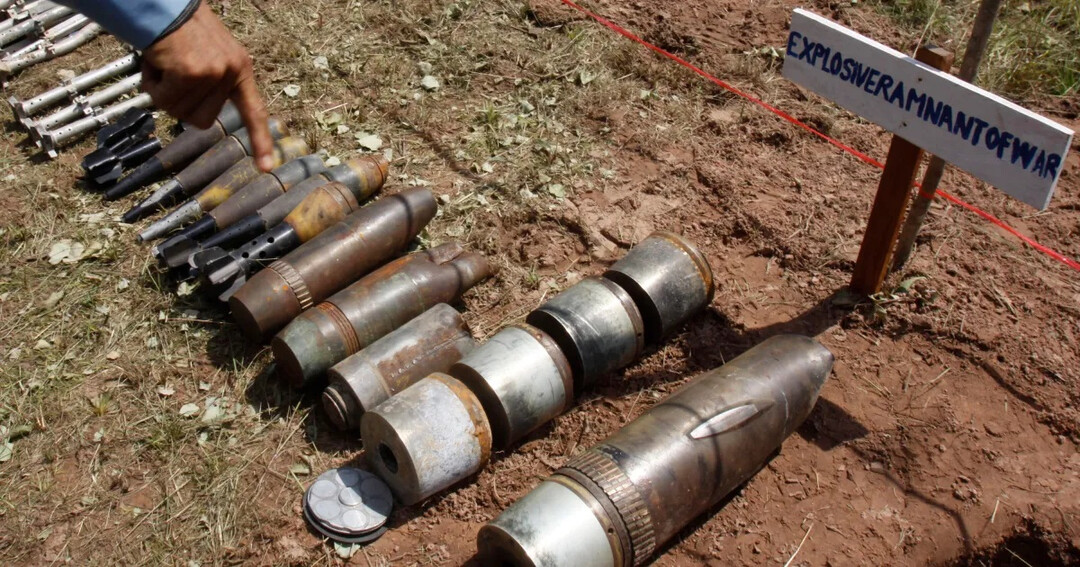
Cluster munitions, known for their wide dispersal of submunitions or "bomblets," pose a significant threat to civilians due to their high failure rate. Unexploded bomblets can remain active for years, turning vast areas into de facto minefields. While over 110 countries are signatories to the Convention on Cluster Munitions, key players like Russia, Ukraine, and the United States have not joined the treaty. Notably, the U.S. began providing Ukraine with cluster munitions in 2023, under strict conditions that they are used outside populated areas and against Russian military targets in occupied Ukrainian territories.

Lithuania's decision is rooted in its assessment of the current security landscape. "Given the aggressive actions of Russia, including the use of cluster munitions in Ukraine, we must ensure that we have all necessary means to deter potential aggression," stated a Lithuanian defense official. The country has pledged to implement advanced algorithms to minimize the risk of unexploded bomblets, aiming to enhance the reliability of these weapons. However, the move has drawn criticism from human rights organizations, which emphasize the indiscriminate nature of cluster munitions and their long-term humanitarian impact.

Furthermore, Lithuania is actively exploring alternatives to cluster munitions, seeking to balance its defense needs with adherence to international humanitarian law. The withdrawal from the treaty is seen as a strategic message to potential adversaries, signaling Lithuania's resolve to bolster its defense capabilities.

In addition to the cluster munitions treaty, Lithuania is also considering withdrawing from the Ottawa Treaty, which bans anti-personnel landmines. Defense Minister Dovile Sakaliene indicated that a final decision on this matter is expected in the spring. "We are carefully evaluating our defense needs and the evolving security situation," Sakaliene stated. "Our priority is to ensure the safety and security of our nation."

Lithuania's actions reflect a broader trend among Eastern European nations seeking to strengthen their defenses in response to perceived threats from Russia. The decision to withdraw from these treaties highlights the complex challenges faced by countries balancing their security needs with international humanitarian norms.

[Copyright (c) Global Economic Times. All Rights Reserved.]

  • #globaleconomictimes
  • #글로벌이코노믹타임즈
  • #한국
  • #중기청
  • #재외동포청
  • #외교부
  • #micorea
  • #mykorea
  • #newsk
  • #nammidonganews
  • #singaporenewsk
Graciela Maria Reporter

Popular articles

  • Murata Unveils Next-Gen Resin Electrode MLCC for Automotive Applications

  • Weight-Loss Drugs Like Wegovy Show Promise in Treating Male Infertility

  • AI Laptops to Cross 50% Market Share Next Year as PC Giants Launch Full-Scale Offensive

I like it
Share
  • Facebook
  • X
  • Kakaotalk
  • LINE
  • BAND
  • NAVER
  • https://www.globaleconomictimes.kr/article/1065610581973683 Copy URL copied.
Comments >

Comments 0

Weekly Hot Issue

  • South Korea Struggles to 3rd Place in World Cup Group Stage; Commentator Park Moon-sung Blasts Manager Hong Myung-bo’s Lack of Tactics
  • BYD Unveils First Plug-in Hybrid ‘Sealion 6’ in Korea, Targeting Eco-Friendly Market at 37.5 Million Won 
  • Kia’s Strategic Pivot: Accelerating Electrification Through SDV, PBV, and EREV Innovation
  • Devastating Twin Earthquakes Strike Venezuela: Death Toll Rises Amid Humanitarian Crisis
  • Hyundai Motor Prioritizes "Customer Experience" Over Pricing: Aiming for Lifelong Loyalty with the New Avante
  • South Korea's Path to Round of 32 Grows Perilous Following Australia-Paraguay Draw

Most Viewed

1
Asking about the Future of ‘Hangeul City Ulsan’… Special Lecture by Novelist Kim Jin-myung to be Held
2
Embassy of Pakistan in Seoul Hosts Commemorative Event for the 150th Birth Anniversary of Muhammad Ali Jinnah
3
KOSPI Hits Historic 9,300 Milestone as Market Cap Surpasses 8,000 Trillion Won
4
'K-Medicine' Sweep Drives Foreign Medical Spending in Korea to Record High of 250 Billion Won
5
Kim Yoon-ji Appointed as New President of KOCCA: “Leading the Global Expansion of K-Culture”
광고문의
임시1
임시3
임시2

Hot Issue

Devastating Twin Earthquakes Strike Venezuela: Death Toll Rises Amid Humanitarian Crisis

Political Debates Spark Over Semiconductor "Windfall" Redistribution

Google Play Hosts 'ChangGoo Alumni Day' to Accelerate Global Expansion for 760 Korean Startups

Government Slashes Petroleum Price Caps by 150 Won per Liter amid Easing Middle East Tensions

Fashion Runway Show 2026

Global Economic Times
korocamia@naver.com
CEO : LEE YEON-SIL
Publisher : KO YONG-CHUL
Registration number : Seoul, A55681
Registration Date : 2024-10-24
Youth Protection Manager: KO YONG-CHUL
Singapore Headquarters
5A Woodlands Road #11-34 The Tennery. S'677728
Korean Branch
Phone : +82(0)10 4724 5264
#304, 6 Nonhyeon-ro 111-gil, Gangnam-gu, Seoul
Copyright © Global Economic Times All Rights Reserved
  • 향기네무료급식
  • BCB부천방송
  • 반달곰 프로젝트
Search
Category
  • All articles
  • Synthesis
  • World
  • Business
  • Industry
  • ICT
  • Distribution Economy
  • Well+Being
  • Travel
  • Eco-News
  • Education
  • Korean Wave News
  • Opinion
  • Arts&Culture
  • Sports
  • People & Life 
    • 전체
    • International Student Report
    • With Ambassador
  • Column 
    • 전체
    • Cho Kijo Column
    • Cherry Garden Story
    • Ko Yong-chul Column
    • Kim Seul-Ong Column
    • Lee Yeon-sil Column
  • Photo News
  • New Book Guide
  • Multicultural News
  • Jobs & Workers