
![[등록] 2026-09-01 15:48:31](/support/_updata/banner2/tl181982910_6749.png)


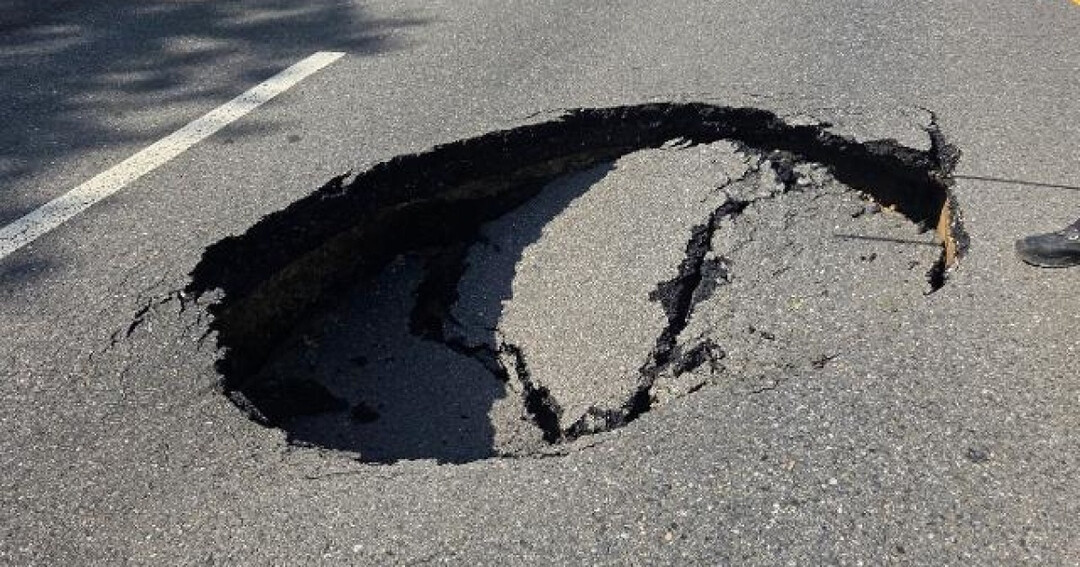
Seoul, South Korea - A new instance of ground subsidence, commonly referred to as a sinkhole, has been reported in Seoul, this time at the busy Gyeongdong Sageori (Gyeongdong Four-way Intersection) in the Gangdong-gu district. The Gangdong Fire Station confirmed receiving a report at approximately 3:24 PM KST on Wednesday, April 30th, detailing a cavity that had formed on the road heading towards Dunchon Station.
Following an immediate investigation, the Seoul Metropolitan Government disclosed that the sinkhole measured approximately 2.5 meters in width, 3.0 meters in length, and 1.2 meters in depth. Preliminary findings suggest that the ground collapse was likely triggered by a water leak originating from a welding joint in a water transmission pipe. The sustained leakage is believed to have eroded the underlying soil, eventually leading to the formation of the void and the subsequent road surface collapse.
Fortunately, authorities have confirmed that no injuries or casualties resulted from the incident. However, the sudden appearance of the sinkhole necessitated a swift response to ensure public safety and mitigate further disruption.
Officials from Gangdong-gu and the Seoul Metropolitan Government promptly cordoned off two lanes of traffic at the affected intersection to facilitate emergency repair work. The priority is to stabilize the surrounding area, fill the sinkhole, and restore the road surface to its original condition. The Seoul Metropolitan Government has issued a statement projecting that the restoration work will be completed by approximately 11:00 PM KST on the same day.
This latest incident adds to a recurring concern regarding sinkholes in Seoul. Over the past several years, the city has experienced a number of these ground collapses in various locations, raising questions about infrastructure maintenance and the potential impact of aging underground systems. These incidents often lead to traffic disruptions, safety hazards for pedestrians and drivers, and considerable costs associated with emergency repairs.
While the immediate cause of this particular sinkhole appears to be a localized water leak, the broader context of aging infrastructure in a densely populated urban environment like Seoul cannot be ignored. The city's underground network of water pipes, sewage lines, and subway tunnels is extensive, and ensuring their structural integrity requires continuous monitoring, maintenance, and timely upgrades.
Several factors can contribute to the formation of sinkholes in urban areas. Water leaks from aging pipes are a common culprit, as the escaping water can erode the surrounding soil over time, creating underground cavities. Heavy rainfall can exacerbate this process by saturating the ground and increasing pressure on underground structures. Construction activities, particularly deep excavations, can also destabilize the soil and lead to ground subsidence in adjacent areas. Furthermore, the geological composition of the ground beneath Seoul, which includes areas with softer sedimentary rock, can make certain locations more susceptible to sinkhole formation.
The Seoul Metropolitan Government has previously implemented measures to address the issue of sinkholes, including increased inspections of underground infrastructure using advanced technologies such as ground-penetrating radar. These inspections aim to identify potential vulnerabilities before they escalate into ground collapses. Additionally, the city has invested in upgrading aging water and sewage systems to reduce the likelihood of leaks. However, the recurrence of sinkhole incidents suggests that these efforts may need to be further intensified and expanded.
The incident at Gyeongdong Sageori serves as a reminder of the challenges associated with managing and maintaining complex urban infrastructure. While the immediate focus is on repairing the current sinkhole and restoring traffic flow, a more comprehensive approach is needed to address the underlying causes of ground subsidence and prevent future occurrences. This could involve more proactive infrastructure maintenance, enhanced monitoring systems, stricter regulations for construction activities, and a thorough assessment of geological risks across the city.
Residents and commuters in Seoul have expressed growing concern over the frequency of sinkhole incidents. The disruptions they cause can have a significant impact on daily life, leading to traffic congestion and safety anxieties. Public trust in the city's infrastructure management is also at stake, underscoring the need for transparent communication and effective preventative measures.
As Seoul continues to develop and its infrastructure ages further, addressing the issue of sinkholes will become increasingly critical. Investing in robust maintenance programs, adopting innovative monitoring technologies, and implementing sustainable urban development practices are essential steps to ensure the safety and well-being of the city's residents and the smooth functioning of its transportation networks. The incident at Gyeongdong Sageori, while localized, highlights the broader challenges that urban centers worldwide face in maintaining aging infrastructure in the face of increasing environmental pressures and developmental demands. The swift response of the Seoul authorities to contain and repair the sinkhole is commendable, but a long-term strategy focused on prevention is crucial to mitigating the risks associated with ground subsidence in the future.
[Copyright (c) Global Economic Times. All Rights Reserved.]














