
![[등록] 2026-09-01 15:48:31](/support/_updata/banner2/tl181982910_6749.png)


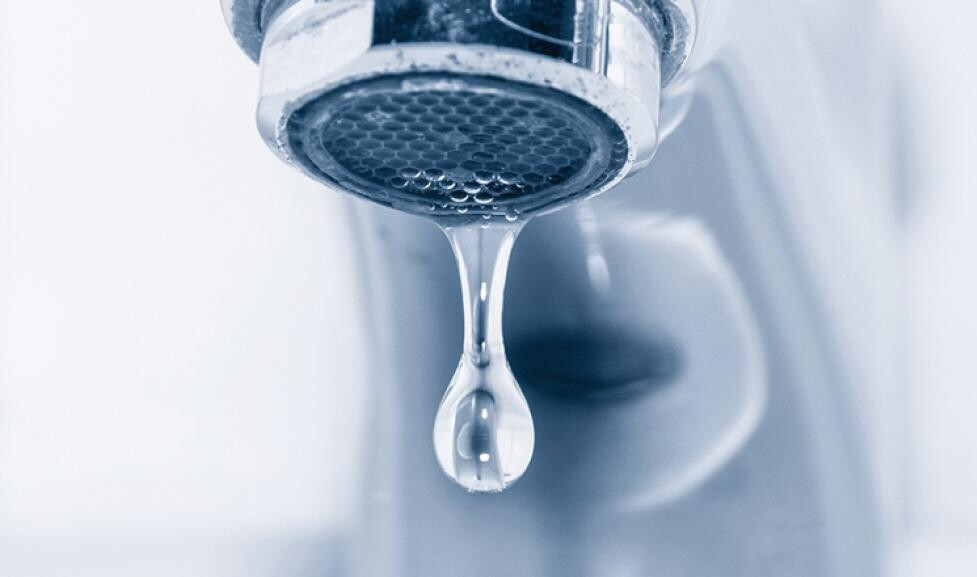
The European Union (EU) is pushing for a measure that would mandate its 27 member states to reduce water consumption by at least 10% from current levels by 2030. This move marks the EU's first attempt to set specific water use reduction targets at a bloc-wide level, driven by severe droughts and worsening groundwater depletion due to climate change. This initiative is interpreted as a serious warning about the widespread water scarcity issues across Europe and a strong demonstration of the EU's commitment to sustainable water management.
Europe's Water Crisis: Severe Droughts and Depleting Water Resources
According to a May 28th (local time) report by the UK's Financial Times (FT), the EU Commission plans to set this target in response to decreasing groundwater reserves and increasingly severe drought conditions across Europe. Jessica Rothwell, EU Commissioner for Environment, emphasized, "Now we need to think about how to use water more efficiently," adding, "even when taking a shower in everyday life." This indicates that water conservation is not an issue limited to specific industrial sectors but a pan-European challenge requiring changes in the daily habits of all citizens.
Indeed, concerns about water scarcity are growing across Europe. Southern European countries like Spain, Italy, and Greece have already implemented strict water use restrictions, such as banning the filling of swimming pools in summer and limiting agricultural water use. Maria Panayiotou, Cyprus's Minister of Agriculture, expressed concern, stating, "This year will be the third consecutive year of drought, and it will be the eighth period of water shortage in the last 50 years." Haris Sakellariou of Eydap, Greece's largest water company, issued a shocking warning that "Athens, the capital of Greece, could run out of water in two years if immediate action is not taken." This is not merely a problem for Southern Europe. Even northern European regions are not immune to water scarcity, with some areas in Sweden prohibiting watering gardens with tap water.
Leaks and Agricultural Losses: Hidden Water Waste and Economic Damage
One factor exacerbating the water scarcity problem is inefficient water use, especially the enormous losses due to leaks. According to the water industry association EarEau, water loss due to leaks within the EU amounts to approximately 25%. This means that a quarter of treated clean water is wasted before it can even be used. In Bulgaria, this ratio soars to about 60%, reaching a severe level. Replacing aging water pipes and implementing leak detection systems through infrastructure improvement will be a key task in achieving the EU's water management goals.
With climate change intensifying droughts, agricultural production is suffering immense damage. The EU Commission estimates that the agricultural sector in the EU loses an average of 28.3 billion euros (approximately 44 trillion won) annually due to drought. Reuters reported, "Currently, more than half of all agricultural losses are caused by drought," and warned, "Without strong measures, farmers' average crop losses could increase by up to 66% by 2050." Southern Europe is expected to be hit hardest by drought, with analyses suggesting that annual losses in Spain and Italy alone could reach 20 billion euros (approximately 31 trillion won) by 2050. This implies a serious threat to food security as well.
EU's Response: Integrated Water Management Strategy and New Technologies
The EU is making various policy efforts to address water scarcity. In addition to setting this 10% reduction target, it is expected to actively promote the adoption of water recycling and reuse technologies, increased rainwater harvesting and utilization, and the establishment of efficient agricultural water management systems. For example, precision irrigation systems using smart farming technologies can significantly reduce agricultural water use, while in urban areas, systems for collecting rainwater for landscaping or toilet use will be encouraged.
Furthermore, the EU is expected to adopt an integrated approach to water resource management, strengthening inter-state cooperation and expanding information sharing. Establishing river basin-level water management plans and developing future water demand forecasting models based on climate change scenarios will also be important tasks for scientifically-based policy formulation. Solving the water scarcity problem requires not only simple conservation campaigns but also simultaneous modernization of water infrastructure, adoption of innovative technologies, and improvement of public awareness.
The EU's setting of this water use reduction target is likely to serve as an important precedent in an era of global water crisis. It demonstrates that establishing sustainable water management systems and ensuring water security are no longer options but essential tasks.
[Copyright (c) Global Economic Times. All Rights Reserved.]














