


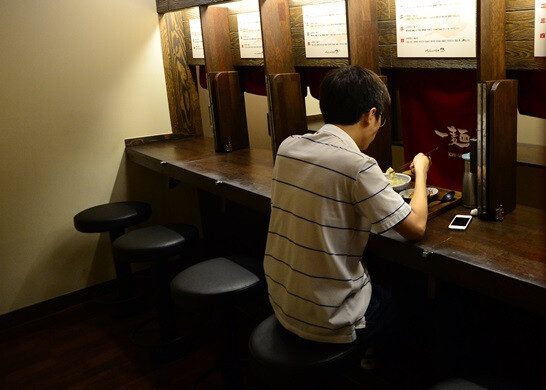
The skyrocketing cost of dining out is doing more than just straining household grocery budgets; it is actively severing the bonds between people. As persistent inflation continues to outpace wage growth, a sobering social phenomenon is taking root across demographics. From university students settling for cheap coffee dates to corporate employees retreating to convenience store lunch counters and retirees quietly stepping away from social clubs, the simple act of breaking bread has become a financial hurdle. Across generations, the high price of a meal is fueling a quiet crisis of social isolation.
Z Generation: Cutting Back on Friends First
For many young adults, the economic pinch is forcing difficult compromises on their social lives. University students and young job seekers, facing high living costs and a competitive employment market, are increasingly replacing traditional dinners with low-cost alternatives. Rather than gathering over a barbecue or heading out for drinks—where a single outing can easily eclipse a tight weekly budget—many opt for inexpensive chain coffee shops, spending hours over budget-friendly Americanos.
This trend has given rise to the term "friendflation," a portmanteau of friends and inflation, describing how rising costs are directly shrinking social circles. Recent surveys among young adults reveal that an overwhelming majority feel stressed about the rising expenses associated with seeing friends. The vast majority of those feeling the pinch have actively reduced their meeting frequencies or scaled back group gatherings, with meal expenses cited as the single most burdensome cost, far outpacing entertainment or gift-giving. Sociologists point out that when economic instability prevents young people from participating fully in social life, self-imposed isolation can quickly cascade into broader mental health challenges and societal disengagement.
Office Workers: Convenience Store "Solo Meals" Over Team Lunches
The pressure is not limited to students; working professionals are feeling the squeeze just as acutely. In corporate hubs, the traditional midday ritual of exploring local eateries with colleagues is rapidly being replaced by solitary meals at corner convenience stores. With lunch prices climbing steadily, many office workers are turning to pre-packaged lunchboxes, triangular kimbap, and instant noodles to keep daily expenditures manageable.
This shift is clearly reflected in retail data, which consistently shows double-digit surges in convenience store ready-meal sales. While swapping a restaurant lunch for a budget-friendly option saves money in the short term, it subtly erodes workplace culture. The casual networking, mentorship, and spontaneous bonding that once took place over lunch tables are fading, replaced by quiet isolation at office desks. Psychologists note that because people often feel social stigma or embarrassment when facing financial constraints, they tend to withdraw from social settings rather than admit their struggles, deepening the sense of disconnection.
The Elderly: Fixed Incomes and Shrinking Circles
For retirees and older demographics, the rising cost of social engagement is an even more direct threat to well-being. With many relying on fixed pensions that struggle to keep pace with living expenses, discretionary spending is the first to be trimmed. Regular coffee meetups, alumni gatherings, and hobby clubs are quietly dropped from monthly budgets as seniors prioritize housing, medical care, and family obligations.
Government and demographic data highlight that while a high percentage of seniors receive some form of pension, the average monthly payout often falls short of ensuring comfortable, active lifestyles. Consequently, older adults face heightened risks of social isolation and emotional loneliness. Experts emphasize that maintaining human connection is just as vital to longevity and mental health as physical sustenance, calling for community-level interventions—such as subsidized public spaces and low-cost social programs—to help seniors stay connected without breaking the bank.
Ultimately, the inflation-driven retreat into isolation highlights a deeper societal concern. When basic economic pressures make human connection a luxury, the resulting erosion of community ties creates invisible costs that far exceed the price of a meal. Addressing this challenge requires not only economic stabilization but also a renewed cultural and institutional commitment to accessible, low-cost spaces where people of all ages can gather, converse, and belong.
[Copyright (c) Global Economic Times. All Rights Reserved.]