![[등록] 2026-09-01 15:48:31](/support/_updata/banner2/tl181982910_6749.png)


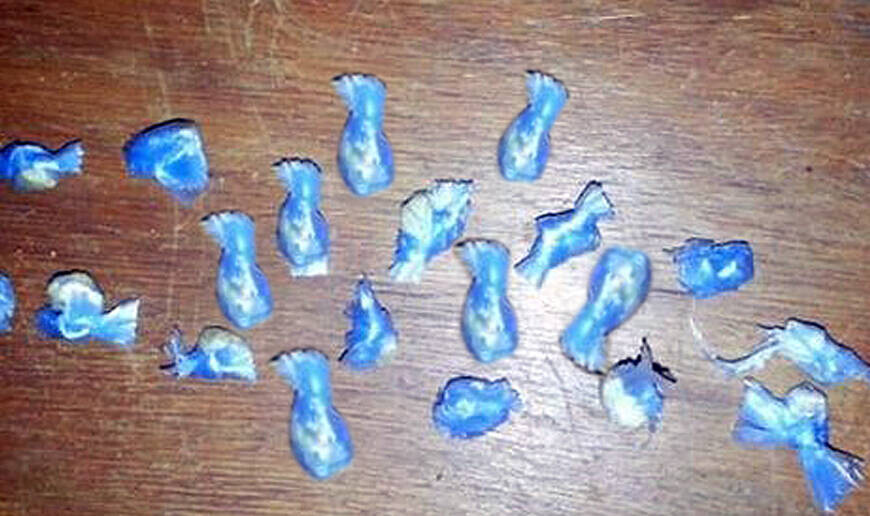
Paraguayan society is currently deeply wounded by a deadly drug called 'chespi.' The government's ambitious drug eradication plan, "Chau Chespi," has effectively failed, and its successor, the "Sumar" plan, has brought no real change. On the contrary, the number of crack addicts has grown exponentially, engulfing society at large, from streets to homes. Witnessing loved ones fall into the abyss of addiction, and observing strangers rapidly decline physically and mentally, leaves us with a profound sense of helplessness.
The Reality of 'Chespi': A Trap of Destructive Addiction
Commonly known as 'chespi,' crack is as destructive as its name suggests. Addicts are contemptuously called 'chespi' or 'chespiritos' because of it. While it's unknown when this term originated, the consequences are tragic. The effects of crack last for a mere 20 minutes. Even Paraguay's National Anti-Drug Secretariat (SENAD) acknowledges this short duration, yet effective policies to solve the problem are entirely absent.
As soon as this brief hallucination fades, addicts desperately seek their next dose due to crack's extreme addictiveness. They steal small items, even plants or fruits, to earn meager sums to buy the drug, and even try to sell doors or gates from their homes for money. Nothing else matters to them when they're under the influence.
Physical and Mental Devastation: The Tragedy of Nameless Fabians
Crack addiction rapidly destroys the body. I've witnessed young men and women become severely malnourished in just two or three months. Even in such miserable states, they continue to search for the drug as their sole reason for existence. Beyond physical deterioration, crack also causes fatal damage to the brain. Continuous use alters addicts' behavior, to the point where they may not recognize or confuse people they know.
Recently, I encountered a young man, Fabian (pseudonym), beloved by the neighborhood, on the street. He recognized me, but his conversation was incoherent, and when we parted, he asked for money. I gave it to him without hesitation, unable to refuse, and warned him not to use it for bad things, but he didn't listen. This is the helplessness I speak of. Who is to blame for the ruin of such an innocent and kind person? How many 'Fabians' are there across the country? There are no accurate statistics, censuses, or even records.
The 'Drug of Death': Destruction Across All Social Classes
Crack is a residue of cocaine, mixed with leftover substances like diesel, gasoline, sulfuric acid, potassium permanganate, lime, and kerosene used during processing. How can these substances be harmless to one's health? Crack is fatal, truly a 'drug of death.' My neighbor, a family man who worked as a window cleaner, became completely dependent on the drug, and his once polite demeanor turned aggressive. The same tragedy befell a childhood friend and his siblings from a relatively affluent family. 'Chespi' spares no social class and is spreading to every corner of Paraguay, even unexpected rural areas and the Chaco region. Nothing and no one is stopping this uncontrollable wave.
A Cry to the Authorities: A Desperate Plea for Change
I appeal to the Paraguayan authorities, who are powerless to stop this problem. Simply stopping crack distribution or arresting dealers is not enough. Drug addiction is not just a criminal issue but a serious social problem that demands a comprehensive and multifaceted approach.
The government can no longer ignore this issue. It must recognize the severity of the following problems and implement immediate measures:
Identify and Address Root Causes: Solutions must be sought for the underlying socioeconomic problems that cause drug addiction, such as poverty, lack of education, and social exclusion. Cutting off supply alone will not stop demand.
Strengthen Prevention Education and Awareness Campaigns: Active education and public awareness campaigns, especially targeting youth, about the dangers of crack and the harms of addiction must be conducted to prevent drug addiction beforehand.
Expand Treatment and Rehabilitation Programs for Addicts: Professional treatment facilities and rehabilitation programs for drug addicts must be significantly expanded, and support for their reintegration into society must be strengthened. Currently, Paraguay's drug addiction treatment and rehabilitation infrastructure is very poor.
Community Involvement and Cooperation: Cooperation with community residents, volunteer organizations, and religious groups should be fostered to build support networks for addicts and actively encourage participation in prevention efforts.
Strengthen Border Control and International Cooperation: Border control must be strengthened and international cooperation pursued to effectively cut off drug trafficking and eradicate illicit drug trade.
This 'chespi' wave is a serious problem threatening the future of Paraguayan society. The government must no longer ignore it and must implement practical and effective measures to stop this destructive wave. Before more 'Fabians' are sacrificed, it is time for all of us to care about this issue and work together towards a solution.
[Copyright (c) Global Economic Times. All Rights Reserved.]