![[등록] 2026-09-01 15:48:31](/support/_updata/banner2/tl181982910_6749.png)


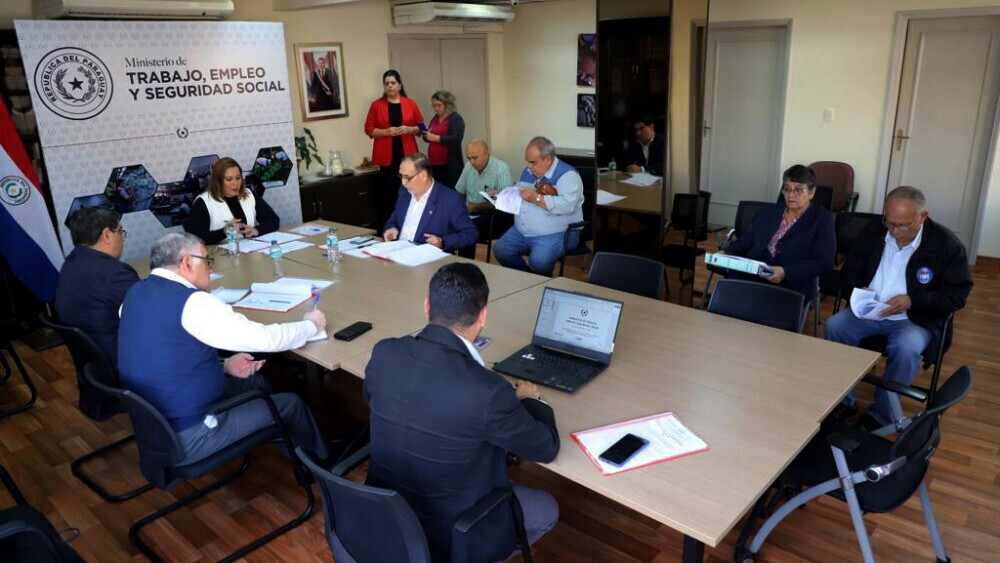
ASUNCIÓN, Paraguay – In the second meeting of Paraguay's National Minimum Wage Council (Conasam), Bernardo Rojas, a labor representative, strongly objected to the minimum wage increase proposed by the government and business sectors, ultimately walking out of the meeting. Rojas criticized the proposed increase of 100,700 Guaraníes (approximately $13.5 USD) as grossly insufficient to address the economic hardships faced by workers, demanding a minimum increase of 15%.
Conasam Meeting Disrupted by Strong Labor Opposition
The Conasam meeting on June 12 began with palpable tension. Government and business representatives proposed a 3.6% minimum wage increase, based on a report from the Central Bank of Paraguay (BCP). This would raise the current minimum wage of 2,680,373 Guaraníes (approximately $360 USD) by about 100,700 Guaraníes. However, Bernardo Rojas, the labor representative, flatly rejected this proposal, expressing strong opposition.
As he left the meeting, Rojas emphatically stated, "A 100,000 Guaraní increase based on the Central Bank's report is meaningless. We have a firm stance that, considering the severe economic crisis we are currently experiencing, a minimum wage increase of at least 15% is necessary." He criticized the government and business proposals as detached from reality, arguing they ignored the actual struggles workers face.
Labor Presents Independent Report, Contradicting Central Bank's Findings
Beyond simply opposing the government and business proposals, the labor sector submitted its own independent report on the necessity of a minimum wage increase to Conasam. This report comprehensively analyzes factors such as inflation rates, essential living costs, and the decline in workers' households' real purchasing power to present the wage level required for workers to maintain a minimum decent standard of living in the current economic climate. The labor sector demands that Conasam review both the Central Bank's report and their own report before making a final decision on the minimum wage increase rate.
Paraguay's minimum wage is typically determined annually in June after discussions within Conasam and goes into effect in July. Conasam is a body composed of representatives from the government, businesses, and labor, tasked with coordinating opinions on minimum wage decisions. However, this year, the strong opposition from the labor sector from the outset suggests difficulties in reaching a decision on the minimum wage increase.
Minimum Wage Hike: A Hot Potato in Paraguay's Economy
Paraguay has recently experienced high inflation rates and an economic slowdown. Soaring food and energy prices, in particular, have placed a significant burden on low-income households. In this context, a minimum wage increase could potentially improve workers' living standards and stimulate consumption, thereby contributing to economic recovery.
However, businesses are concerned that a minimum wage increase could lead to higher production costs, weakening corporate competitiveness and potentially causing job losses. Small and medium-sized enterprises, in particular, face a greater burden from wage increases. The government is in a complex situation, needing to balance price stability with economic growth, and is struggling to reconcile the positions of labor and businesses.
Last year also saw sharp disagreements between labor, businesses, and the government over the minimum wage increase rate, and it took considerable effort to reach a consensus. This year, with the significant differences in opinion regarding the minimum wage increase, it is expected that the final decision will take a considerable amount of time. The Paraguayan government plans to finalize the minimum wage increase proposal by the end of this month and implement the new minimum wage from July 1. However, if strong opposition from the labor sector continues, the minimum wage decision could become even more complicated.
[Copyright (c) Global Economic Times. All Rights Reserved.]