![[등록] 2026-09-01 15:48:31](/support/_updata/banner2/tl181982910_6749.png)


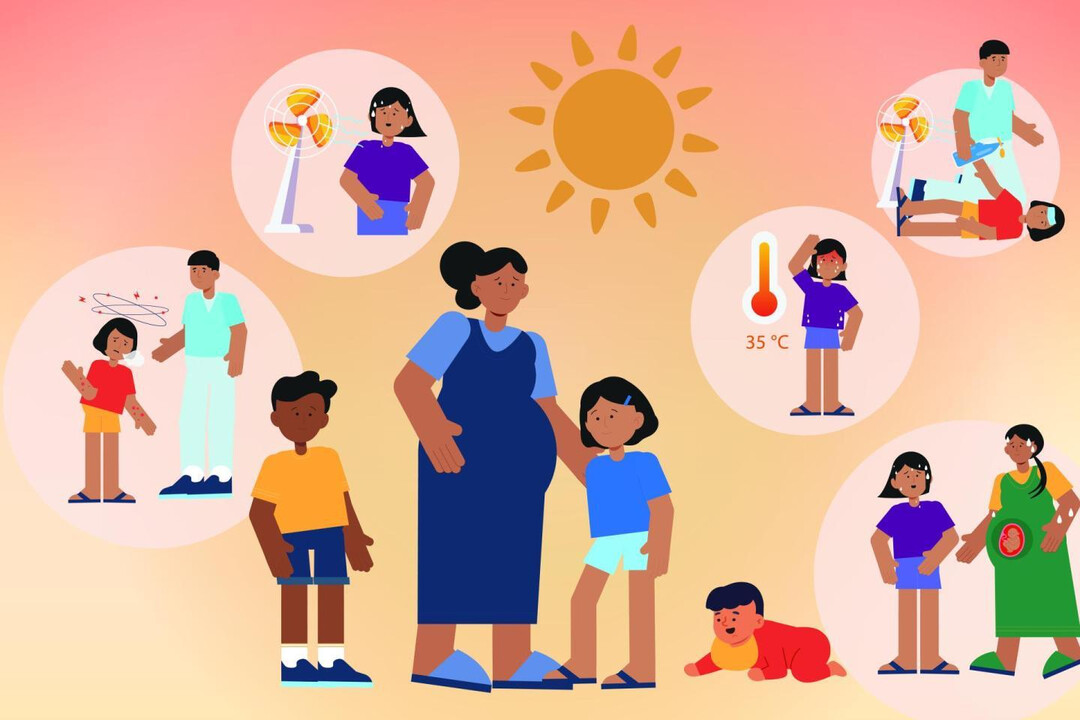
As relentless heatwaves sweep across the globe—leaving European metropolises sweltering and driving temperatures in South Korea past unprecedented 40°C marks—the World Health Organization (WHO) has issued a comprehensive, urgent protocol to mitigate life-threatening thermal stress. With heat warnings blanketed across major metropolitan zones, including full heatwave advisories in Seoul, public health officials warn that extreme heat poses an escalating threat to human life if proactive protective measures are not strictly observed.
The global health agency emphasized that heat-related illness is largely preventable through timely, simple interventions. WHO’s public advisory focuses on four fundamental pillars: avoiding direct heat exposure, maintaining a cool domestic environment, ensuring adequate bodily hydration, and exercising extreme vigilance regarding vulnerable individuals, particularly infants, children, and pets trapped in vehicles.
1. Outsmarting Peak Sun: Timing and Shade Safety
The primary mandate from the WHO advises citizens to strictly curtail outdoor exposure during peak thermal intensity hours. High-exertion outdoor activities, strenuous exercise, and manual labor should be suspended during the hottest periods of the day. When venturing outdoors is unavoidable, remaining in shaded areas is imperative. The WHO highlights a critical microclimatic reality: under direct, unshaded sunlight, the perceived temperature experienced by the human body can soar between 10°C to 15°C higher than official ambient air temperature readings.
Furthermore, the directive recommends spending at least two to three hours daily in a temperature-controlled or naturally cool environment to allow the body's internal thermoregulation systems to recover. For those seeking refuge in water bodies, authorities urge extreme caution against solitary swimming, noting that heat exhaustion significantly amplifies the risk of sudden cramps and accidental drowning.
2. Indoor Thermal Management & Energy-Smart Cooling
Maintaining a safe indoor climate is essential to preventing heat stroke at home. The WHO advises keeping windows, blinds, and drapes closed during peak daylight hours to block direct solar radiation from penetrating living spaces. Conversely, windows should be opened wide during nighttime hours when ambient outdoor temperatures cool down, facilitating cross-ventilation.
WHO Recommended HVAC & Energy Protocol:
Optimal Thermostat Setting: Set air conditioning units to 27°C (80.6°F).
Synergistic Fan Usage: Pair AC units with electric fans to enhance air circulation. This combination makes the room feel up to 4°C cooler while cutting cooling energy expenses by up to 70%.
The 40°C Threshold Rule: Only use electric fans when ambient room temperatures are below 40°C. In environments exceeding 40°C, fans merely circulate hot air, accelerating dehydration and increasing heat absorption.
In addition, households are advised to minimize the use of heat-generating electrical appliances. Unnecessary lighting, ovens, and heavy electronics should be switched off to keep indoor baseline temperatures low.
3. Hydration Guidelines & Personal Cooling Tactics
Systemic heat relief requires both internal fluid replenishment and external cooling mechanisms. The WHO strongly recommends drinking at least one cup of water every hour, aiming for a total daily intake of 2 to 3 liters, even if individual thirst cues are not actively felt. Alcohol, sugary beverages, and excessive caffeine should be avoided, as they exacerbate dehydration.
To reduce core body heat, individuals should opt for lightweight, loose-fitting, light-colored clothing made of natural breathable fabrics. Taking cool showers or baths, applying cold compresses, and utilizing portable misting fans offer effective immediate cooling.
CRITICAL WARNING: Vehicle & Stroller Hazards
Parked vehicles experience exponential internal thermal spikes within minutes. The WHO issues a zero-tolerance warning against leaving infants, young children, or pets in unattended automobiles, even briefly with windows cracked. Additionally, caregivers are warned never to cover baby strollers with dry towels or heavy blankets, as this traps suffocating hot air inside the carriage. Instead, utilize clip-on portable fans and wet cloths for gentle air cooling.
4. A Growing Global Health Emergency
The WHO's heightened intervention comes in response to sobering epidemiological data. According to WHO statistics, extreme heat claimed an average of approximately 489,000 lives annually between 2000 and 2019. Unlike immediate disaster events such as floods or severe storms, heatwaves represent silent, insidious crises that heavily impact vulnerable populations—including the elderly, infants, outdoor workers, and individuals with underlying cardiovascular or respiratory conditions.
As climate volatility continues to drive unprecedented temperature spikes worldwide, health authorities reiterate that rigorous adherence to basic heat response protocols remains the single most effective shield against severe heat stroke, organ stress, and premature mortality.
[Copyright (c) Global Economic Times. All Rights Reserved.]