![[등록] 2026-09-01 15:48:31](/support/_updata/banner2/tl181982910_6749.png)


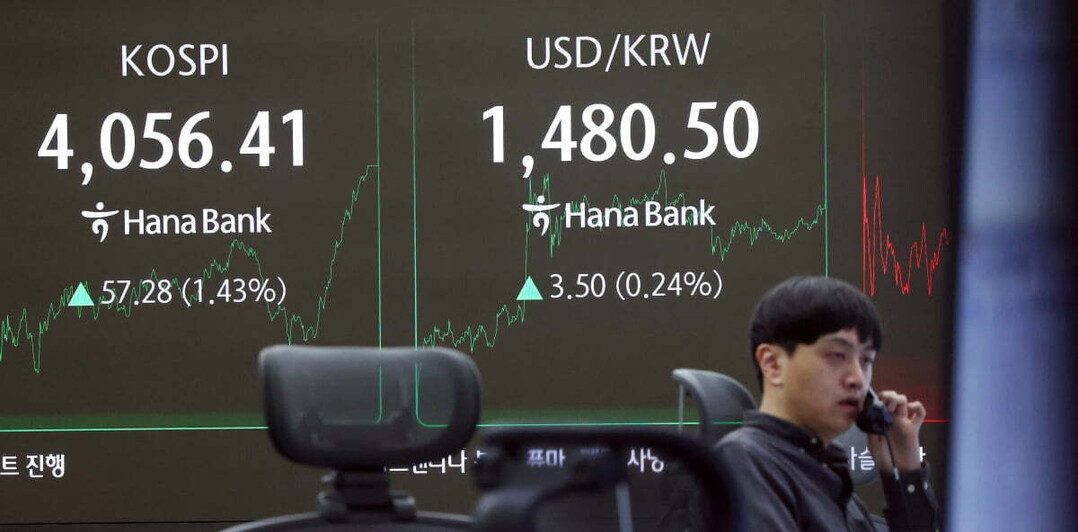
SEOUL — South Korea’s financial markets descended into a state of absolute panic on Wednesday as the specter of a prolonged conflict in Iran triggered a historic sell-off. The benchmark KOSPI saw its largest single-day percentage drop in history, while the "triple threats" of high oil prices, a weakening won, and surging inflation began to cast a long shadow over the real economy.
A Historic Market Meltdown The KOSPI closed at 5,093.54, crashing 698.37 points, or 12.06%. This eclipsed the previous record decline seen right after the 9/11 attacks in 2001. The tech-heavy KOSDAQ also surrendered 14%, closing at 978.44. In the currency market, the Korean Won weakened to 1,476.2 per dollar, having briefly breached the psychological barrier of 1,500 overnight—a level not seen since the 2009 global financial crisis.
The Domino Effect: Oil and Inflation The primary concern for policymakers is the "Oil-Inflation-Interest Rate" domino effect. While the Bank of Korea (BOK) had previously based its 2.0% growth forecast on oil prices in the mid-$60 range, Brent crude futures have already surged past $81. Analysts at Barclays and JP Morgan warn that a continued blockade of the Strait of Hormuz could send prices soaring toward $100 per barrel.
"If oil prices remain at these elevated levels, it could shave at least 0.1 to 0.2 percentage points off the national growth rate," said Park Jeong-woo, an economist at Nomura Securities. He added that the simultaneous weakening of the won exacerbates upward pressure on consumer prices, posing a significant risk to the BOK’s inflation targets.
Chilling Domestic Demand The timing of the crisis is particularly painful as South Korea’s domestic consumption was just beginning to show signs of a robust recovery. Economists warn that the massive loss in stock market value will create a "negative wealth effect," discouraging households from spending.
"The surge in oil and exchange rates is fatal to the domestic economy," noted Ju Won, head of economic research at the Hyundai Research Institute. "It directly leads to higher import prices and erodes the purchasing power of consumers."
A Glimmer of Optimism? Despite the widespread gloom, some experts suggest the impact might be transitory. Some analysts argue that the fundamental global semiconductor cycle—the backbone of South Korea’s exports—remains intact. Furthermore, political pressures on the U.S. administration ahead of mid-term elections may limit the duration of a full-scale military engagement.
As the Strait of Hormuz remains a flashpoint, the South Korean government has entered emergency mode, monitoring its 200-day strategic oil reserve and preparing contingency plans to stabilize the volatile financial markets.
[Copyright (c) Global Economic Times. All Rights Reserved.]