• 2026.03.22 (Sun)
  • All articles
  • LOGIN
  • JOIN
Global Economic Times
fashionrunwayshow2026
  • Synthesis
  • World
  • Business
  • Industry
  • ICT
  • Distribution Economy
  • Well+Being
  • Travel
  • Eco-News
  • Education
  • Korean Wave News
  • Opinion
  • Arts&Culture
  • Sports
  • People & Life
    • International Student Report
    • With Ambassador
  • Column
    • Cho Kijo Column
    • Cherry Garden Story
    • Ko Yong-chul Column
    • Kim Seul-Ong Column
    • Lee Yeon-sil Column
  • Photo News
  • New Book Guide
MENU
 
Home > Opinion

The Fate of the Penny: A Heated Debate in the United States

PETER KO / Updated : 2025-02-12 06:18:34
  • -
  • +
  • Print

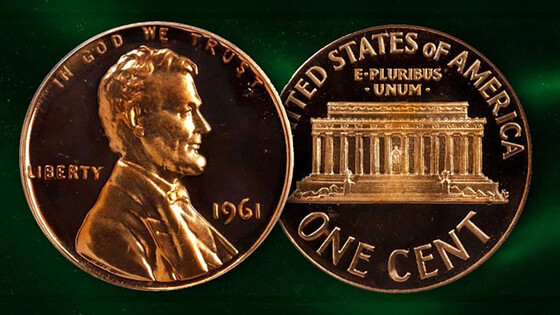
The humble penny, once a symbol of American commerce, is now at the center of a heated debate in the United States. The rising cost of producing the coin, coupled with its declining utility, has sparked a discussion about its future.

The Penny's Plight: High Cost, Low Utility
The primary issue plaguing the penny is its cost of production. The increasing prices of zinc and copper have pushed the cost of minting a penny above its face value. In 2020, it cost more than two cents to produce a single penny, resulting in an annual loss of over $73 million, which is ultimately borne by taxpayers.

Furthermore, the penny's usefulness has diminished over time. Many people find pennies cumbersome and tend to discard or ignore them. Retailers rarely calculate transactions down to the cent, further reducing the penny's practical value. This low utilization raises concerns about its economic efficiency.

A Nation Divided: To Abolish or to Retain
Proponents of abolishing the penny argue that it would lead to significant cost savings and increased societal efficiency. Eliminating the penny would not only reduce manufacturing expenses but also streamline the circulation of currency, allowing for better allocation of resources. The funds saved could be redirected towards other public services.

Conversely, those who oppose abolishing the penny express concerns about potential price increases. However, experts suggest that the impact on inflation would be minimal. Experiences from countries like Canada and Australia, which have already discontinued their one-cent coins, indicate that price stability can be maintained.

Navigating the Challenges
Abolishing the penny is not merely about eliminating a single coin; it requires careful consideration of various factors to ensure a smooth transition. Addressing the rounding of prices, minimizing consumer confusion, and accommodating those who rely on cash transactions are crucial aspects that need thorough discussion and planning.

The Inevitable Shift
Considering the declining utility of the penny, its abolition seems increasingly inevitable. By taking this step, the United States can reduce economic waste and pave the way for a more efficient financial system. While challenges may arise during the transition, careful planning and open dialogue can mitigate any potential disruptions. Ultimately, abolishing the penny represents an opportunity to streamline the nation's currency system and enhance economic efficiency.

[Copyright (c) Global Economic Times. All Rights Reserved.]

  • #1센트동전
  • #미국동전
  • #트럼프대통령
PETER KO
PETER KO

Popular articles

I like it
Share
  • Facebook
  • X
  • Kakaotalk
  • LINE
  • BAND
  • NAVER
  • https://www.globaleconomictimes.kr/article/1065561353937419 Copy URL copied.
Comments >

Comments 0

Weekly Hot Issue

  • Appellate Court Begins Review of Kakao Founder’s Acquittal in SM Entertainment Stock Rigging Case
  • AI Supercycle Propels Global Semiconductor Market Toward $1 Trillion Milestone
  • Naver Suspends Election Comments to Combat Cyberbullying and Misinformation Ahead of June Polls
  • Lotte Town Myeongdong Lights Up with 'Welcome Light' to Greet Global K-Pop Fans
  • K-Beauty SMEs Join Forces with Distributors: A New Paradigm for Global Expansion through Strategic Consortiums
  • BMW ‘The New i3’ Next-Gen EV: 900km Range 

Most Viewed

1
An Open Letter to BTS On the Eve of a Historic Performance
2
From Industrial Capital to Tourism Mecca... Ulsan Makes a Bold Move with ‘Experiential Content’ in 2026
3
Ko Sang-goo, President of World Federation of Korean Associations, Elected as First Private Sector Chair of World Korean Community Leaders Convention
4
It is Time for BTS’s Fandom, ARMY, to Step Forward
5
Korean Stock Market Plunges: Circuit Breaker and Sidecar Triggered Amid Geopolitical Crisis
광고문의
임시1
임시3
임시2

Hot Issue

Netflix Declares BTS Comeback Live “ARIRANG” as the Year’s Biggest Global Event

AI Medical Ecosystem in Focus: KIMES 2026 Opens in Seoul as Global Healthcare Hub

Netanyahu Declares Decisive Blow to Iran’s Nuclear and Missile Programs, Signals Early End to War

Intel Announces 10% Price Hike on CPUs: PC Manufacturers Bracing for Massive Production Cost Spikes

Let’s recycle the old blankets in Jeju Island’s closet instead of incinerating them.

Global Economic Times
korocamia@naver.com
CEO : LEE YEON-SIL
Publisher : KO YONG-CHUL
Registration number : Seoul, A55681
Registration Date : 2024-10-24
Youth Protection Manager: KO YONG-CHUL
Singapore Headquarters
5A Woodlands Road #11-34 The Tennery. S'677728
Korean Branch
Phone : +82(0)10 4724 5264
#304, 6 Nonhyeon-ro 111-gil, Gangnam-gu, Seoul
Copyright © Global Economic Times All Rights Reserved
  • 에이펙2025
  • APEC2025가이드북TV
  • 독도는우리땅
Search
Category
  • All articles
  • Synthesis
  • World
  • Business
  • Industry
  • ICT
  • Distribution Economy
  • Well+Being
  • Travel
  • Eco-News
  • Education
  • Korean Wave News
  • Opinion
  • Arts&Culture
  • Sports
  • People & Life 
    • 전체
    • International Student Report
    • With Ambassador
  • Column 
    • 전체
    • Cho Kijo Column
    • Cherry Garden Story
    • Ko Yong-chul Column
    • Kim Seul-Ong Column
    • Lee Yeon-sil Column
  • Photo News
  • New Book Guide
  • Multicultural News
  • Jobs & Workers