
![[등록] 2026-09-01 15:48:31](/support/_updata/banner2/tl181982910_6749.png)


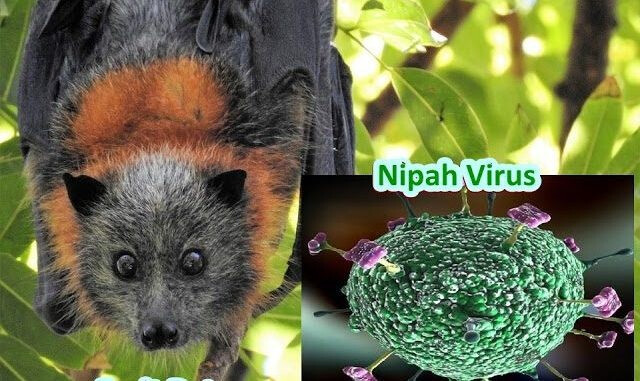
SEOUL, South Korea – South Korea's disease control authorities have moved to designate Nipah virus infection, a highly lethal zoonotic disease predominantly found in parts of South and Southeast Asia, as a Class 1 statutory infectious disease. This decision by the Korea Disease Control and Prevention Agency (KDCA) marks the first addition to this top-tier category since COVID-19 in 2020, signaling a proactive stance on global health threats. The amendment to the relevant public health notification has been administratively announced.
What is Nipah Virus?
Nipah virus (NiV) is a zoonotic virus that can be transmitted from animals to humans, and also directly between humans. First identified in 1998 during an outbreak among pig farmers in Malaysia, the virus's natural reservoir is fruit bats of the Pteropus genus, commonly known as flying foxes. These bats carry the virus asymptomatically, but can transmit it to other animals, such as pigs, and directly to humans through contaminated food (e.g., raw date palm sap or fruit contaminated with bat excretions) or direct contact with infected animals. Human-to-human transmission typically occurs through close contact with infected individuals or their bodily fluids, particularly within healthcare settings where infection control measures may be insufficient.
The incubation period for Nipah virus infection usually ranges from 4 to 14 days, though it can extend up to 45 days. Initial symptoms are often flu-like, including fever, headache, cough, sore throat, and difficulty breathing. As the disease progresses, patients can rapidly develop severe neurological symptoms such as drowsiness, disorientation, seizures, and coma. In many cases, it leads to brain swelling (encephalitis), which is often fatal. The disease has a high case fatality rate, ranging from 40% to 75%, and there is currently no specific vaccine or antiviral treatment available for humans. Treatment remains supportive, focusing on managing symptoms and complications.
Global Incidence and South Korea's Proactive Stance
Historically, Nipah virus outbreaks have primarily occurred in countries like Malaysia, Singapore, Bangladesh, and India. Bangladesh experiences annual outbreaks, and India has seen recurring clusters, notably in the state of Kerala. The KDCA reports that India has recorded 104 cases since its first identified case in 2001 up to last year. While no Nipah virus cases have ever been reported in South Korea, the decision to designate it as a Class 1 infectious disease reflects a global recognition of its severity and potential for international spread through travel.
A Class 1 designation is the highest tier in South Korea's statutory infectious disease classification system. It mandates immediate reporting of any suspected or confirmed cases, alongside stringent public health measures such as patient isolation, intensive epidemiological investigations, and rigorous contact tracing. This classification is reserved for diseases with high fatality rates, severe symptoms, or high transmissibility, requiring the most urgent and comprehensive public health response. The move aims to enhance surveillance at ports of entry and ensure rapid containment should an imported case arise.
Risk Assessment and Future Outlook
Despite the heightened alert, KDCA officials emphasize that the likelihood of a widespread pandemic similar to COVID-19 is low. This assessment is primarily due to several factors:
Lower Transmissibility: Nipah virus is not as easily transmissible person-to-person as highly contagious respiratory viruses like SARS-CoV-2.
Geographical Factors: The primary natural host, fruit bats, are not indigenous to the Korean peninsula, significantly reducing the risk of local animal-to-human transmission pathways commonly observed in endemic regions.
Specific Exposure Routes: Many outbreaks in endemic areas are linked to specific local practices, such as the consumption of contaminated date palm sap, which are not prevalent in Korea.
The main risk for South Korea would therefore be the importation of cases by individuals traveling from Nipah-affected regions. The Class 1 designation serves as a preemptive measure to ensure robust preparedness, allowing for immediate and effective public health interventions to prevent any potential spread if a case is identified. This proactive approach underscores South Korea's commitment to strengthening its national biosecurity in an increasingly interconnected world.
[Copyright (c) Global Economic Times. All Rights Reserved.]














