Faced with a worsening shortage of primary and secondary school teachers, the Japanese government is pushing to shorten the teacher license acquisition process from roughly three years in graduate school down to just one year. The initiative aims to attract working professionals and individuals who did not major in education, opening new pathways to the classroom to secure necessary teaching staff.
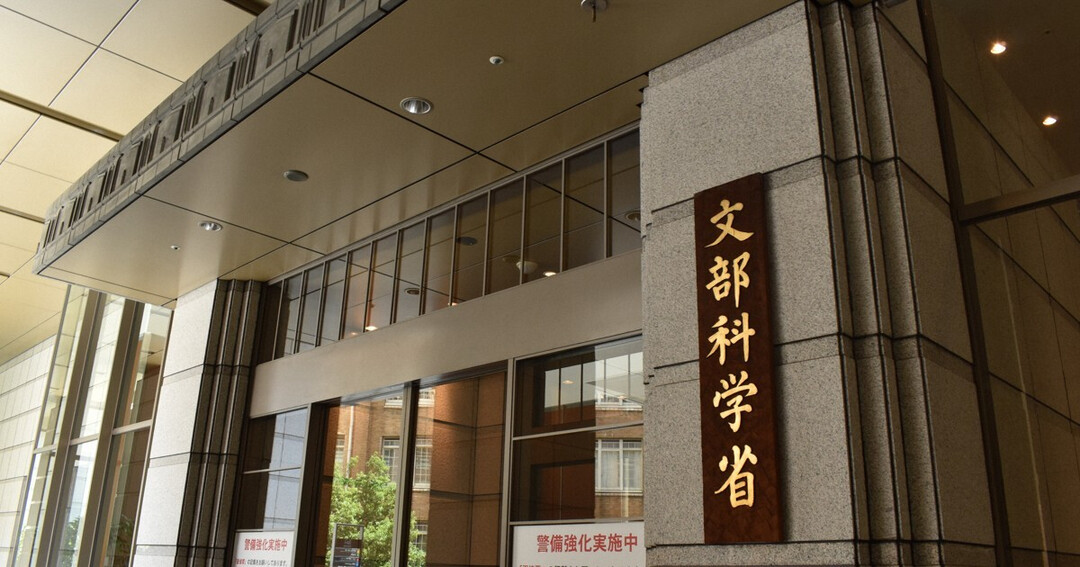
According to multiple Japanese media outlets on the 25th, the Ministry of Education, Culture, Sports, Science and Technology (MEXT) plans to establish a new graduate school curriculum enabling working adults without a background in education to obtain teaching licenses within a year.
Previously, obtaining a teaching license through graduate school required completing 56 to 57 credits over three years. Under the new system, individuals will be granted 20 credits based on their prior professional experience, significantly reducing the educational duration. Candidates will be selected through a collaborative process involving universities and local boards of education, with the government planning to submit related legislative amendments to the ordinary session of the Diet next year and implement the system before 2030.
To alleviate the financial burden of transitioning from another career into teaching, participants will be allowed to work in school settings for approximately six months during their training period while receiving a salary. Additionally, the government is considering tuition support schemes for eligible candidates.
Severe Personnel Shortages and Declining Appeal of the Teaching Profession
The Japanese government’s unprecedented measures stem from a critical shortage of human resources in schools. According to MEXT, public elementary, junior high, high schools, and special-needs schools nationwide faced a deficit of 4,317 teachers at the start of the school year last April.
A major factor behind the shortage is the declining appeal of the teaching profession. While large cohorts of teachers hired in the 1980s are reaching retirement age, vacancies are continuously generated by maternity and sick leaves, making it increasingly difficult to secure new personnel. Amid widespread labor shortages across society, university graduates are also increasingly favoring private-sector employment over schools.
In particular, perceptions that long working hours are not adequately compensated have fueled the avoidance of teaching. According to NHK and the Organisation for Economic Co-operation and Development (OECD) Education at a Glance 2026 report, the average weekly working hours for Japanese teachers stood at 50.4 hours, longer than the 44.1-hour average for Japanese general workers with a university degree or higher.
Adjusted for purchasing power parity (PPP), the average annual salary of a Japanese junior high school teacher was approximately $43,000 (about 58 million won), falling short of the OECD average of $49,000. Only 28.6% of Japanese teachers reported satisfaction with their salaries—lower than the OECD average of 38.7%. Furthermore, satisfaction with working conditions other than salary stood at a mere 37.3%, the lowest among member countries.
Alleviating Student Debt to Boost Teaching Attractiveness
Alongside lowering entry barriers for teaching licenses, the Japanese government is strengthening incentives through economic support. MEXT is reviewing plans to exempt or reduce the repayment obligations of state-issued student loans for teachers working in national, public, and private primary and secondary schools.
Japanese scholarships are broadly divided into non-repayable grant-type loans and loan-type assistance that must be repaid after employment. The government is considering exempting teachers from a portion or the entirety of their loan balance depending on their years of service. Further discussions are required to determine whether these benefits will apply to current teachers or be restricted to newly recruited staff.
Such a system has historical precedent. Japan introduced a policy exempting teachers from student loan repayments in the 1950s to resolve teacher shortages; however, it was abolished in fiscal year 1999 as teacher supply stabilized and equity concerns with other professions arose. Now, the government is reconsidering it as an incentive tool, though securing tens of billions of yen in financial resources remains a key challenge.
Whether policies lowering the barriers to entering the teaching profession will effectively resolve the staffing crunch remains to be seen. According to the OECD, career-change teachers coming from other professions accounted for only 0.9% of all teachers in Japan as of 2024, falling significantly short of the member country average of 8.4%.
[Copyright (c) Global Economic Times. All Rights Reserved.]