![[등록] 2026-09-01 15:48:31](/support/_updata/banner2/tl181982910_6749.png)


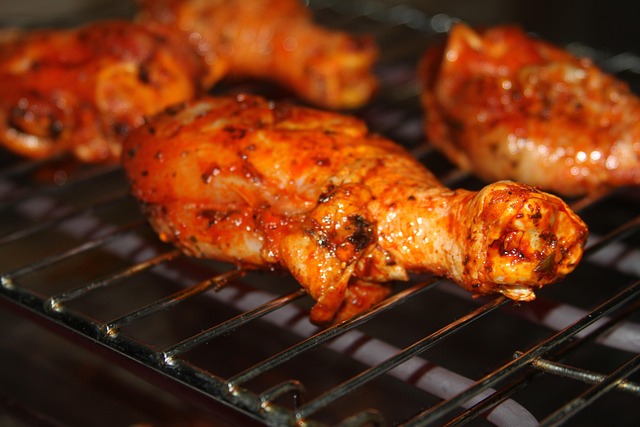
Seoul, South Korea – The escalating cost of pork in South Korea, fueled by a significant surge in overall livestock prices last month, is prompting a notable shift in consumer behavior as budget-conscious households increasingly turn to more affordable protein options like chicken. This trend is highlighted by recent data from the Livestock Products Quality Assessment Service's "Livestock Distribution Information Dabom," which reveals a stark contrast between the rising prices of pork belly and the declining cost of chicken.
As of the latest figures, the average consumer price for premium (1+ grade) pork belly nationwide has reached KRW 2,660 per 100 grams, marking a substantial 15.5% increase compared to the KRW 2,302 recorded during the same period last year. The situation is even more pronounced in the capital city of Seoul, where the average price stands at KRW 2,717 per 100 grams, a 16.5% year-on-year jump. Alarmingly, some retail outlets in Seoul are listing premium pork belly at prices exceeding KRW 2,750, signaling a significant strain on household budgets.
Industry analysts predict that this upward trajectory for pork prices is likely to persist until at least June. This sustained increase is attributed to a confluence of economic pressures, including the rising costs of imported pork, a reduction in the number of pigs being slaughtered domestically, and the ever-increasing burden of animal feed expenses for farmers. These interconnected factors are creating a challenging environment for both consumers and the pork industry.
Adding to the price woes is a contraction in the domestic pork supply. March statistics indicate a total of 10.8 million pigs being raised across the country, a decrease of 380,000 head compared to the previous year. This supply reduction, coupled with a steady level of consumer demand, is a fundamental driver of the current high prices and suggests that relief may not be imminent. The AI-powered price forecasting system integrated within "Dabom" also supports this outlook, projecting a continued strong price trend for pork throughout the month of June.
In an attempt to mitigate the impact of rising pork prices, the South Korean government has announced a temporary measure involving the application of a tariff quota on 10,000 tons of imported "hind leg" pork specifically intended for processed food manufacturers. This initiative aims to lower the input costs for these businesses, potentially easing pressure on the prices of processed pork products. However, the actual allocation of this imported pork volume is still pending, with officials from the Ministry of Agriculture, Food and Rural Affairs indicating that the distribution via a lottery system is not expected until after mid-May. Furthermore, the ministry has cautioned that while this measure might offer some relief for processed food prices, it is unlikely to have a significant impact on the overall farmgate prices of domestically produced pork. With the allocated import volume being distributed gradually until the end of the year, its effectiveness in curbing domestic pork demand or stabilizing prices is anticipated to be limited.
The situation contrasts sharply with the price trends observed in the chicken market. According to "Dabom" data from May 8th, the average consumer price for premium (1+ grade) broiler chicken stood at KRW 5,743 per kilogram, representing a nearly 3% decrease compared to the KRW 5,918 recorded on the same day last year. The price drop is even more significant in Seoul, where the average price has fallen by over KRW 900 per kilogram, a substantial 13.5% reduction from last year's levels, which exceeded KRW 6,700 per kilogram.
This price differential is naturally leading to an increased consumer interest in chicken as a more economical source of protein. Retailers are already anticipating a surge in demand for chicken-based dishes such as Baeksook (a nourishing whole chicken soup) and Samgyetang (ginseng chicken soup), particularly as the summer months approach, which traditionally see a rise in consumption of these items. In response, the retail industry is actively working to secure adequate supplies of chicken to meet the expected increase in demand.
A representative from a major retail chain commented on this shifting consumer landscape, stating, "With the overall rise in the cost of living placing a significant burden on consumers, we have observed a decrease in the volume of pork being purchased. Increasingly, consumers who are prioritizing value for money are turning to more affordable alternatives such as chicken and eggs, and we are seeing a corresponding increase in the sales of these items." This highlights a broader trend of consumers adapting their purchasing habits in response to inflationary pressures, seeking out cost-effective substitutes for traditionally popular but increasingly expensive food items. The interplay between the rising cost of pork and the relatively stable or decreasing price of chicken is thus creating a dynamic shift in the South Korean protein market, with consumers increasingly opting for poultry as a budget-friendly and readily available alternative.
[Copyright (c) Global Economic Times. All Rights Reserved.]