![[등록] 2026-09-01 15:48:31](/support/_updata/banner2/tl181982910_6749.png)


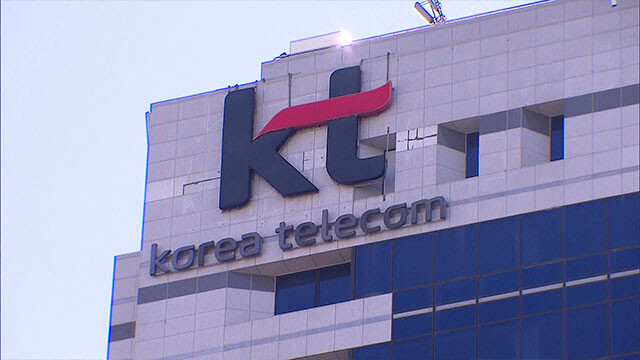
SEOUL — South Korean telecommunications behemoth KT has officially apologized after a public-private joint investigation team revealed the company concealed a massive server infection by malicious code for approximately one year. This admission comes on the heels of the company's prior woes involving a major femtocell hacking incident, highlighting a systemic failure in its network security posture.
The joint investigation team announced its interim findings at a press briefing in the Seoul Government Complex on November 6, disclosing that KT had hidden the server infection, which occurred last year. The malicious code identified was BPFDoor, a sophisticated backdoor known for its stealthy defense evasion techniques. This revelation is particularly alarming as rival SK Telecom also fell victim to BPFDoor earlier this year.
KT expressed deep regret for not reporting the server intrusion upon detection, as well as for the delayed reporting of the related unauthorized micro-payment and other server compromise incidents, even after subsequent inspection by an external security firm. The company has vowed to cooperate fully with the government's investigation to uncover the complete facts, stressing its commitment to securing its network and protecting customers.
The breach underscores a profound security crisis at KT, as both its femtocell network—linked to a recent novel hacking technique involving the interception of authentication texts—and its main servers were compromised. Experts note that femtocells and servers operate in distinct domains, suggesting a multifaceted failure rather than a shared vulnerability.
Systemic Security Lapses and Corporate Accountability
Security specialists have sharply criticized KT’s decision to conceal the server hacking, viewing it as symptomatic of a broader corporate trend to hide security incidents. Professor Lee Seong-yeop of Korea University's Graduate School of Technology Management argued that overly punitive measures, such as heavy fines, might inadvertently encourage companies to suppress information out of fear, suggesting a shift toward a system that incentivizes proactive reporting and prevention. Nonetheless, Professor Lee insisted that KT must face the full consequences for its deliberate concealment.
Professor Park Chun-sik of Ajou University's Department of Cybersecurity attributed the recurrent security failures to corporate "patchwork solutions," noting that previous incidents had led to the replacement of the company's Chief Privacy Officer (CPO) without effecting fundamental change. Professor Park emphasized that lasting improvements require autonomous, rigorous corporate oversight, asking: "If someone—the board of directors or the CPO—asks, 'Is security going well? Is there a security plan? Is the budget appropriate?' things would change."
In the aftermath of the initial hacking incidents, which prompted former CEO Kim Young-seob to forgo reappointment, KT had already initiated substantial reforms to its femtocell management. These measures included revoking and reissuing all femtocell certificates, strengthening daily checks for legitimate equipment, and implementing secure boot features to prevent unauthorized software modifications. However, the discovery of the BPFDoor server compromise, separate from the femtocell issues, indicates that these measures only addressed part of the problem.
KT stated it will now fundamentally re-examine its entire telecommunications infrastructure, collaborating with external security experts and manufacturers to conduct stage-by-stage inspections of its equipment, from authentication to service integration. The company concluded with a renewed apology, asserting that it will take full responsibility for building a safe and reliable network environment that restores customer trust.
[Copyright (c) Global Economic Times. All Rights Reserved.]