![[등록] 2026-09-01 15:48:31](/support/_updata/banner2/tl181982910_6749.png)


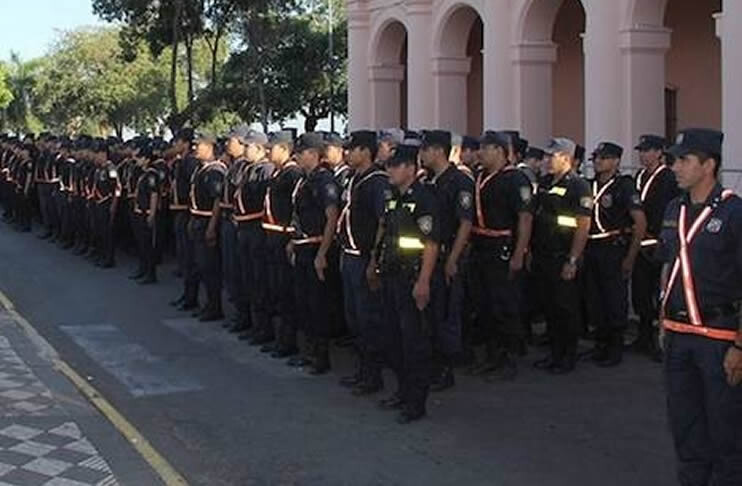
The Paraguayan National Police (Policía Nacional del Paraguay) is a core institution responsible for public safety and security in Paraguay, operating under the Ministry of the Interior (Ministerio del Interior). Located in landlocked South America, Paraguay faces various security challenges, including urban crime, drug trafficking, and smuggling in border areas. The National Police is organized with a specific structure and performs diverse roles to address these challenges. This article examines the organizational structure, main roles, and characteristics of the Paraguayan National Police force.
The Paraguayan National Police has a centralized organizational structure with its headquarters in the capital, Asunción, and operates nationwide. The police force consists of the following main departments and units:
General Directorate (Dirección General): Led by the Director General, the highest authority in the police force, responsible for establishing overall organizational strategies and policies. The Director General reports to the Minister of the Interior.
Operational Directorates (Direcciones Operativas): Responsible for daily policing activities, including patrols, traffic management, and crime prevention. Local police stations (Comisarías) are deployed in each region to handle local security.
Specialized Departments (Departamentos Especializados): Carry out special missions such as drug enforcement, combating organized crime, and counter-terrorism. For example, the Anti-Narcotics Department (Departamento Antinarcóticos) conducts major operations related to drug trafficking.
Administrative and Support Departments: Responsible for personnel, budget, education, and equipment management, supporting the smooth operation of the police force.
Border and Rural Police: Paraguay experiences issues with smuggling and illegal immigration along its borders with Brazil and Argentina. To address these, border police and dedicated units for rural areas are operated.
The organization collaborates with local police stations across the 17 departments (provinces) nationwide and is particularly concentrated in high-crime areas such as the capital Asunción and major cities like Ciudad del Este.
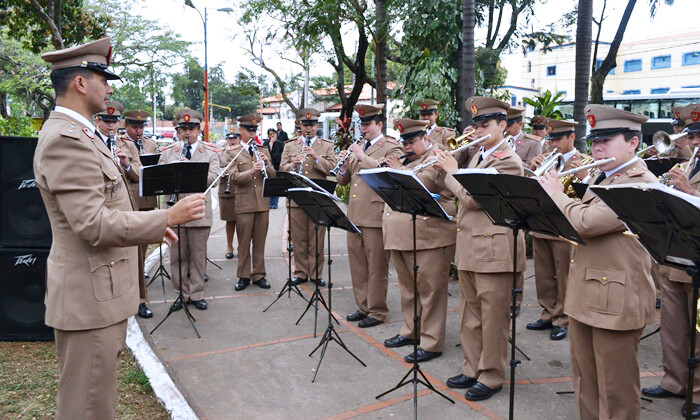
The Paraguayan National Police performs various roles aimed at maintaining peace and public safety:
Crime Prevention and Investigation: Responsible for preventing and investigating crimes ranging from general offenses (theft, assault) to serious crimes such as drug trafficking, organized crime, and human trafficking. Notably, Paraguay is known as a major drug trafficking route, making drug enforcement a critical role.
Maintenance of Public Order: Responsible for maintaining order during protests, rallies, and public events. Political demonstrations frequently occur in Paraguay, and the police deploy the Special Operations Group (Grupo Especial de Operaciones, GEO) to manage these situations.
Traffic Management: Enforces road safety and traffic laws. It manages traffic flow, especially in major cities and border areas, and monitors illegal transportation.
Border Security: Cracks down on smuggling, illegal immigration, and arms trafficking along the borders with Brazil and Argentina. The border between Ciudad del Este and Foz do Iguaçu, Brazil, is a hotbed of crime, requiring intensive police surveillance.
Disaster Response: Conducts rescue and support activities during natural disasters such as floods and wildfires, protecting the safety of local residents.
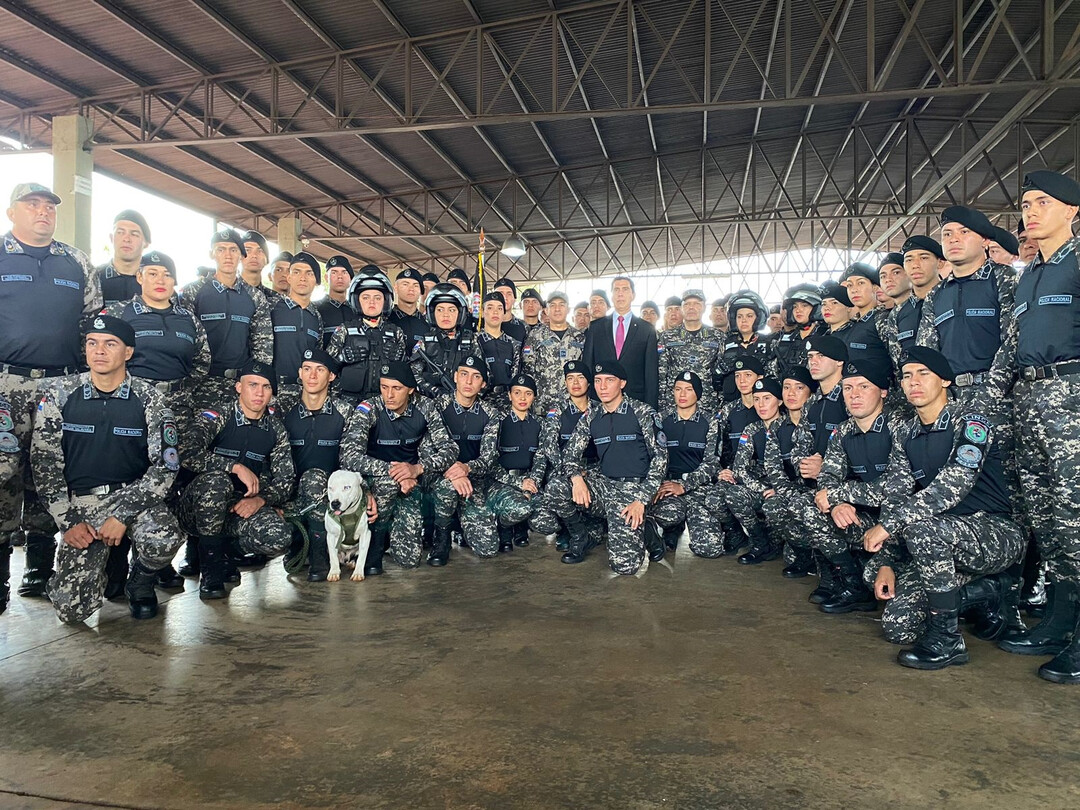
The Paraguayan National Police force is estimated to consist of over 20,000 officers (the exact number may vary depending on official statistics). Key features of the police force include:
Armed Police: Paraguayan police are generally armed with pistols and rifles, and special units may use heavier weaponry. This is due to the high level of armament of drug cartels and organized crime groups.
Special Operations Group (GEO): The Grupo Especial de Operaciones (GEO) is an elite unit that carries out high-risk missions. They are active in hostage rescue, counter-terrorism, and drug enforcement, receiving training similar to Brazil's BOPE (Special Police Operations Battalion).
Regional Deployment: While the police force is concentrated in urban areas, rural areas sometimes experience security gaps due to manpower shortages. Cooperation between border police and the military is being strengthened to compensate for this.
Corruption Issues: The Paraguayan police have faced criticism for corruption and inefficiency. Allegations of some officers colluding with drug trafficking organizations have been raised, and the government is pursuing internal audits and reforms to address this.
International Cooperation: Paraguay cooperates with the U.S. DEA (Drug Enforcement Administration), Interpol, and the police forces of Brazil and Argentina to combat transnational crime. International collaboration is particularly important in the Triple Frontier region.
The Paraguayan National Police faces several challenges. Firstly, drug trafficking and organized crime often exceed the resources and capabilities of the police force. Secondly, corruption and credibility issues undermine public trust in the police. Thirdly, security gaps in rural and border areas remain unresolved challenges.
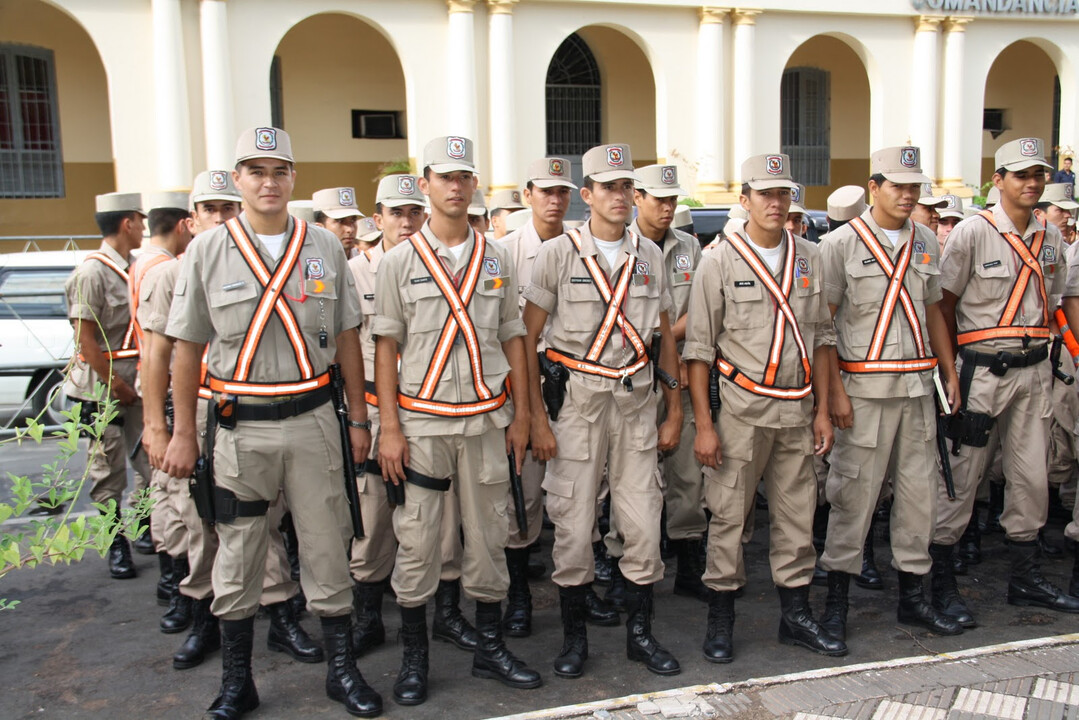
Accordingly, the government is promoting police reform. As revealed by the Tacumbú prison riot in 2023 (KyongHyang Shinmun, October 12, 2023), the police are working to suppress the influence of drug organizations within prisons, which requires the redeployment and enhanced training of police forces. Additionally, efforts are being made to improve policing capabilities through the education and modernization of equipment for police officers.
The Paraguayan National Police is a core institution responsible for crime prevention, maintaining public order, and border security in a complex security environment. Through its centralized organizational structure and special units, it carries out diverse missions but faces challenges such as corruption and resource shortages. Through continuous reforms and international cooperation, the Paraguayan police, as a vast and complex organization, contribute not only to maintaining public safety but also to national stability.
[Copyright (c) Global Economic Times. All Rights Reserved.]