![[등록] 2026-09-01 15:48:31](/support/_updata/banner2/tl181982910_6749.png)


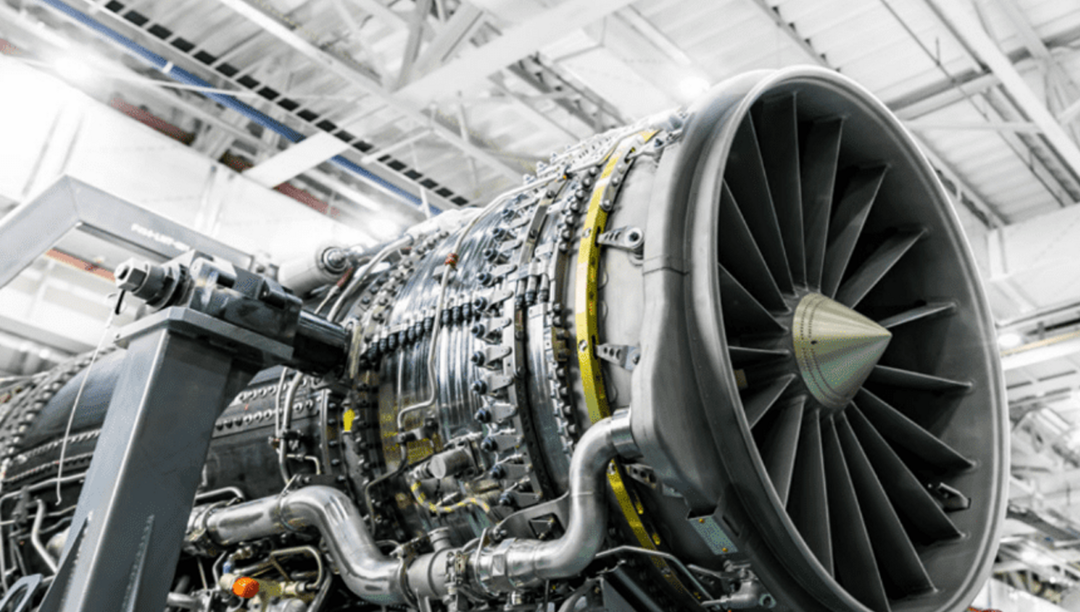
CHANGWON, South Korea — In the high-stakes world of aerospace, where a single minute error can be catastrophic, Hanwha Aerospace is rewriting the rules of manufacturing. At its Changwon Plant 1, the company has transformed the production of complex aviation engines into a symphony of precision, powered by cutting-edge automation and digital integration.
Walking through the facility, one is immediately struck by an unfamiliar stillness. Unlike traditional manufacturing sites defined by the cacophony of heavy machinery and constant human motion, the Changwon plant operates with a rhythmic, calculated efficiency. Automated Guided Vehicles (AGVs) glide silently across the floor, and a sophisticated network of monitors provides a real-time pulse of every production stage.
The Digital Backbone of Engine Assembly
At the heart of the facility is the aircraft engine assembly line, responsible for the F414 engines powering Korea’s indigenous KF-21 fighter jets and the F404 engines for the FA-50 light attack aircraft.
"Aviation engine assembly leaves no room for error," explains Kim Seung-soo, leader of the production technology team. To mitigate human risk, the company has replaced traditional paper-based assembly manuals with a fully digital 3D-modeled system. This allows operators to visualize every step of the assembly process with perfect clarity, significantly reducing the learning curve for new technicians and ensuring that quality standards are baked into the digital workflow itself.
Precision is further enforced through "digital torque wrenches." Given that an F414 engine consists of approximately 1,700 distinct components, the tightening force of every bolt is critical. These tools track data in real-time; if the torque value deviates even slightly from the engineering specification, the system automatically halts the production line, preventing any faulty assembly from proceeding.
Innovation in the Smart Parts Factory
The commitment to automation extends to the parts fabrication sector, where core components for global aviation giants—including engines for the Boeing 737 Max and Airbus A320neo—are manufactured.
"This is a true smart factory," says Park Min-woo, an engine production team lead. "The entire movement of products and tools is automated."
One of the most striking features is the plant’s lean human footprint. A single operator can manage five high-precision machining units simultaneously. Even after the workforce leaves for the day, "unmanned scheduling" software continues to drive production overnight, maximizing throughput without sacrificing quality.
The factory floor is also climate-controlled to a constant 20°C. Sensors mounted on the ceilings monitor for minute temperature fluctuations, as even slight shifts can impact the metallurgical precision required for critical parts like Integrated Bladed Rotors (IBR). Unlike traditional methods that require separate blades and discs to be joined, IBRs are carved from a single piece of material, a process demanding world-class technical expertise to maintain structural integrity.
A Foundation for Global Competitiveness
Hanwha Aerospace’s push toward complete digitalization is not just about current efficiency—it is a strategic pivot toward future autonomy. Having invested nearly 2 trillion won ($1.5 billion) in Changwon over the last decade, the company is successfully transitioning from a licensed manufacturer for foreign partners like GE Aerospace to a developer of its own sovereign engine technology.
As the company sets its sights on developing advanced engines for 5th and 6th generation fighter jets, the "smart factory" infrastructure at Changwon serves as more than just a production site; it is the bedrock of Korea’s future in the global aerospace defense market. With production stability and high-precision quality secured through automation, Hanwha Aerospace is positioning itself to lead the next era of aviation excellence, free from the constraints of foreign technical dependency.
[Copyright (c) Global Economic Times. All Rights Reserved.]