• 2026.08.27 (Thu)
  • All articles
  • LOGIN
  • JOIN
Global Economic Times
fashionrunwayshow2026
  • Synthesis
  • World
  • Business
  • Industry
  • ICT
  • Distribution Economy
  • Well+Being
  • Travel
  • Eco-News
  • Education
  • Korean Wave News
  • Opinion
  • Arts&Culture
  • Sports
  • People & Life
    • International Student Report
    • With Ambassador
  • Column
    • Cho Kijo Column
    • Cherry Garden Story
    • Ko Yong-chul Column
    • Kim Seul-Ong Column
    • Lee Yeon-sil Column
  • Photo News
  • New Book Guide
MENU
 
Home > ICT

Honam Semiconductor Faces 10% Rate Cut: South Korea Opens Era of Regionalized Electricity Pricing

KO YONG-CHUL Reporter / Updated : 2026-08-27 07:19:36
  • -
  • +
  • Print


South Korea has officially unveiled a landmark restructuring of its national industrial electricity pricing system, introducing regional rate differentiation to reward power-producing regions and encourage corporate decentralization away from the capital area.

New Regional Industrial Electricity Scheme During a public hearing held by the Ministry of Climate, Energy, and Environment at the Korea Electric Power Corporation (KEPCO) Nambu Seoul Headquarters, authorities announced a tiered pricing structure that accounts for local power self-sufficiency, balanced regional growth, and transmission costs.

The country is divided into four pricing zones: The Southern Region (including Honam) receives a 7% to 10% rate reduction (13–18 KRW/kWh), while the Central Region gets 5–8%, and Northern Capital Region 3–8%. The Southern Capital Region remains virtually unchanged.

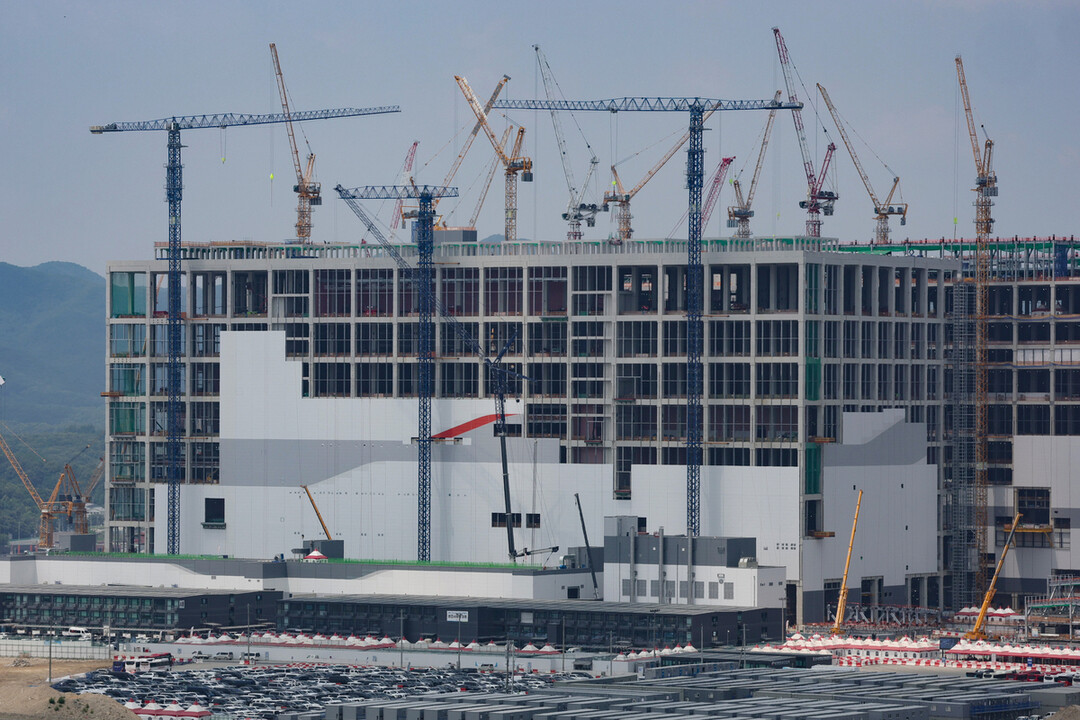
Massive Relief for the Honam Semiconductor Cluster This policy is expected to significantly boost the upcoming Honam semiconductor cluster at the Gwangju military airport site. With four major fabs projected to consume ~55.19 TWh annually, total electricity costs would approach 10.04 trillion KRW under previous averages. The 10% discount yields estimated annual savings between 700 billion and 1 trillion KRW, dramatically enhancing regional industrial competitiveness.

Industry Acclaim and Structural Skepticism Major business federations and industrial associations welcomed the move, emphasizing its potential to curb corporate overhead, stimulate regional investments, and foster balanced growth. However, energy experts caution that electricity rates alone may not drive corporate relocation unless accompanied by robust infrastructure, tax incentives, and regulatory support. Furthermore, KEPCO faces an estimated annual revenue shortfall of up to 3 trillion KRW, raising ongoing debates regarding utility fiscal stability.

[Copyright (c) Global Economic Times. All Rights Reserved.]

  • #\ormuz Impasse
  • #globaleconomictimes
  • #micorea
  • #mykorea
  • #nammidonganews
  • #singaporenewsk
  • #Samsung
  • #Daewoo
  • #Hyos
KO YONG-CHUL Reporter
Reporter Page

Popular articles

  • Lube Base Oil Emerges as Export Lifesaver for South Korean Refiners Amid Middle East Conflict

  • South Korea’s July Exports Hit Record $98.9 Billion as Semiconductor Supercycle Powers Surge

  • TSMC Accelerates 3nm Capacity Expansion: Monthly Output Set to Exceed 180,000 Wafers by Year-End

I like it
Share
  • Facebook
  • X
  • Kakaotalk
  • LINE
  • BAND
  • NAVER
  • https://www.globaleconomictimes.kr/article/1065565130646131 Copy URL copied.
Comments >

Comments 0

Weekly Hot Issue

  • Iran and Oman Agree on Temporary Maritime Corridor in the Strait of Hormuz Amid Ongoing Regional Tensions
  • Trump Administration Affirms “No Change in North Korea Denuclearization Policy”
  • Meta Reaches Historic $18 Billion Settlement Over Teen Social Media Addiction
  • California Man Arrested Near U.S. Capitol After Transporting a Guillotine Across the Country
  • Latin America Faces Severe Crises as El Niño-Induced Droughts and Extreme Weather Trigger State of Emergencies
  • South Koreans’ Unfavorable Views of the U.S. Exceed 50% for the First Time in Over Two Decades

Most Viewed

1
'Delisting Countdown' Becomes Reality as Mass Administrative Stock Designations Hit Listed Companies
2
KOSPI Nears 7,000 Milestone with a 2.4% Surge, Riding a Five-Day Winning Streak Market Overview: A Powerful Weekly Rally
3
Samsung Electronics Enters a Strong Recovery Phase, Eyeing a Potential Rebound Past Recent Lows
4
South Korea to Revive Pro-Japanese Asset Recovery: New Law Targets "Disposed" Property
5
Record-Breaking Deluge Batters Chiba: 8 Dead, Thousands Stranded in Night of Chaos
광고문의
임시1
임시3
임시2

Hot Issue

US-Iran Tensions Escalate: Severe Economic Sanctions Met With Military Threats

Samsung Unveils World’s First 'Processing-in-Memory' Performance, Presenting a New Alternative for AI

Samsung Set to Reclaim Global Smartphone Crown with the Galaxy S26 FE Following Galaxy Z8 Success

NCsoft Unveils New Team-Based Survival FPS 'Like or Die' at Gamescom 2026

Fashion Runway Show 2026

Global Economic Times
korocamia@naver.com
CEO : LEE YEON-SIL
Publisher : KO YONG-CHUL
Registration number : Seoul, A55681
Registration Date : 2024-10-24
Youth Protection Manager: KO YONG-CHUL
Singapore Headquarters
5A Woodlands Road #11-34 The Tennery. S'677728
Korean Branch
Phone : +82(0)10 4724 5264
#304, 6 Nonhyeon-ro 111-gil, Gangnam-gu, Seoul
Copyright © Global Economic Times All Rights Reserved
  • 향기네무료급식
  • BCB부천방송
  • 반달곰 프로젝트
Search
Category
  • All articles
  • Synthesis
  • World
  • Business
  • Industry
  • ICT
  • Distribution Economy
  • Well+Being
  • Travel
  • Eco-News
  • Education
  • Korean Wave News
  • Opinion
  • Arts&Culture
  • Sports
  • People & Life 
    • 전체
    • International Student Report
    • With Ambassador
  • Column 
    • 전체
    • Cho Kijo Column
    • Cherry Garden Story
    • Ko Yong-chul Column
    • Kim Seul-Ong Column
    • Lee Yeon-sil Column
  • Photo News
  • New Book Guide
  • Multicultural News
  • Jobs & Workers