![[등록] 2026-09-01 15:48:31](/support/_updata/banner2/tl181982910_6749.png)


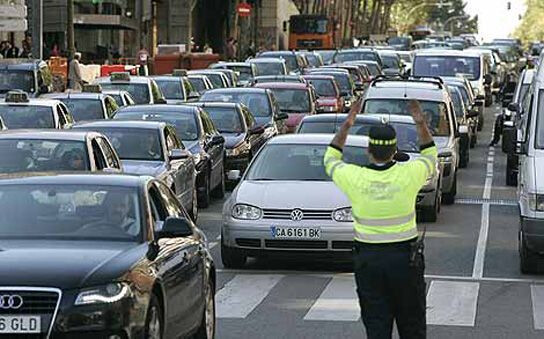
ASUNCION – Journalist Jorge Rubiani warns about Paraguay's chronic traffic congestion, asserting that the current situation could condemn future generations to a hellish existence. He criticizes the lack of awareness about this severe issue across all leadership spheres—political, social, economic, and media—emphasizing that this will ultimately incur a massive cost for Paraguayan society as a whole.
Witnessing the Morning Chaos
Rubiani begins his article by sharing a shocking experience from the morning of Tuesday, May 27th, when he visited San Lorenzo near the Ñemby border. Entering Fernando de la Mora Avenue past the bus terminal in the early morning, he witnessed a colossal procession of lights. Not only car headlights but also streetlights, billboards, and traffic lights were all illuminated, with motorcycles and four-wheeled vehicles intertwined, appearing like a rehearsal for an "apocalypse."
The sight of countless people trapped in their vehicles during their commutes filled him with both astonishment and deep concern. He points out that for decades, various Paraguayan governments and local authorities have failed to give due importance to these traffic problems, instead exacerbating them through contracts and concessions. Despite the construction of expensive overpasses, traffic congestion has not eased at all, significantly degrading the quality of life for citizens.
Absence of Pedestrian and Public Transportation Focus
Rubiani strongly criticizes the government's singular focus on "vehicular traffic" while completely neglecting pedestrians, the most vulnerable group. He highlights the complete absence of improved sidewalks, bicycle lanes, and, most importantly, a regular, stable, economical, and safe public transportation system capable of mass transit. He argues that this is a stark example of repeated announcements without actual plans and decisions being made.
He questions whether Paraguayan citizens living near the capital can lead normal lives amidst such traffic conditions and states that the suffering of those living in desolate areas on the outskirts of the city, lacking stable jobs, resources, and even state support, is unimaginable.
Missed Opportunities to Prevent Tragedy
Rubiani asserts that this tragic situation could have been entirely avoidable. He believes there was a historical lack of awareness regarding population density and its accompanying problems, a failure to guard against the excessive ambitions of those in power, and a missed opportunity through education to raise citizens' awareness of their own identity, responsibility, the necessity of coexistence, and respect.
Furthermore, he identifies the absence of truly patriotic leaders who genuinely love their country and understand their roles and duties as the biggest problem. Despite the fact that such leaders should have provided a better life for the people through improved administrative management and appropriate policy initiatives, unfortunately, "the path of evil" was always shorter and easier, forcing us to accept far less than what was needed.
He concludes with a profound message: "Five years is too long to wait to punish those who insult us," emphasizing the urgent need for immediate action toward change.
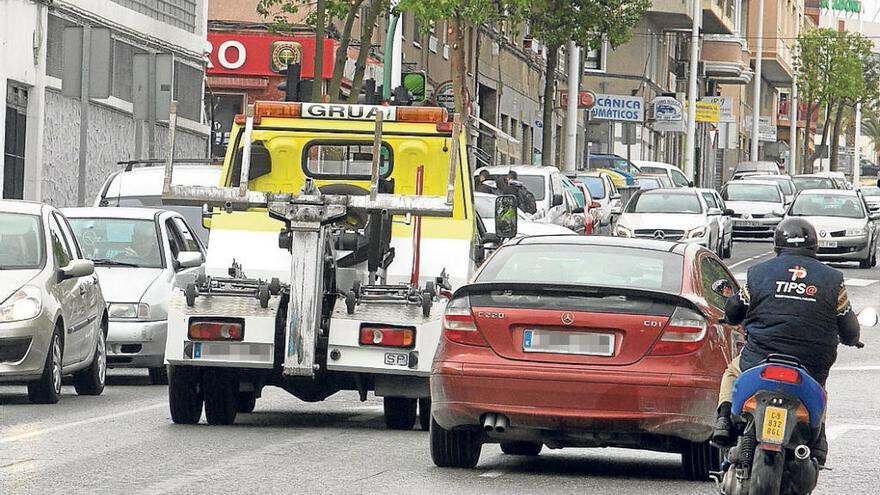
In-Depth Analysis of Paraguay's Traffic Problem
Paraguay's traffic congestion is not merely a problem of increasing vehicle numbers; it's a chronic issue stemming from a complex interplay of socioeconomic factors.
Lack of Urban Planning and Disordered Development: Major cities, including Asuncion, have experienced rapid population growth coupled with chaotic urban development. The formation of residential areas without considering public transport networks and the dispersed placement of commercial facilities lead to inefficient commuting and travel patterns, causing traffic congestion. Especially, the lack of long-term planning for expanding transport infrastructure during new city development exacerbates the problem.
Low Public Transport Reliance and Inadequate System: Paraguay's public transport system is extremely weak. Obsolete vehicles, irregular service intervals, insufficient routes, and low safety standards deter citizens from using public transport, forcing them to rely on private cars. This, in turn, creates a vicious cycle that increases traffic volume and worsens congestion. Many criticize the insufficient investment in public transport infrastructure and the lack of effort in building an integrated transport system.
Surge in Motorcycle Use: The number of motorcycle users has exploded due to their lower economic burden and greater mobility. However, motorcycles often have low adherence to traffic laws, and unlicensed and reckless driving are frequent, making them a major cause of traffic accidents. Moreover, riding on sidewalks or aggressively cutting into small spaces endangers pedestrians and further disrupts traffic flow.
Lack of Pedestrian Infrastructure: Sidewalks are often poorly maintained or their space is encroached upon by illegally parked vehicles and street vendors. This forces pedestrians into the road, increasing the risk of accidents and severely infringing on their right to move freely.
Government's Short-Sighted and Insufficient Policies: As journalist Rubiani pointed out, the government tends to focus on short-term "visible achievements," concentrating on large-scale civil engineering projects like overpass construction. While these projects may offer temporary relief, they have limitations in solving the problem without fundamental solutions such as comprehensive traffic demand management, public transport expansion, and improved urban planning. Furthermore, citizens' opinions are often not adequately reflected in policy-making, and expert advice is frequently disregarded.
Lack of Civic Awareness and Law Abidance: Some drivers' traffic law violations, indiscriminate parking, and lack of yielding further exacerbate traffic congestion. Insufficient education and promotion of traffic laws, coupled with lax enforcement, fuel these issues.
The Way Forward
To solve Paraguay's traffic congestion, a paradigm shift is needed from a car-centric mindset to a people-centric transport policy.
Comprehensive Improvement and Expansion of Public Transportation System: There should be active consideration of bus route reorganization, reduced service intervals, vehicle modernization, and the introduction of new public transport systems like subways or trams. Increasing the accessibility and convenience of public transport should encourage citizens to choose it over private cars.
Creation of Pedestrian and Bicycle-Friendly Urban Environments: Invest in improving walking environments by expanding safe and pleasant sidewalks and bicycle lanes, and establishing pedestrian-priority zones.
Efficient Urban Planning and Land Use Policy: Forecast traffic demand and plan urban spaces accordingly. Encourage mixed-use development where workplaces and residences are close, and shorten travel distances through Transit-Oriented Development (TOD).
Strengthening Traffic Demand Management Policies: Implement demand management policies such as car-free days, congestion charges, and increased parking fees to curb private car use and promote public transport.
Fostering Traffic Law Compliance and Stricter Enforcement: Enhance traffic safety education and strictly enforce traffic law violations to raise citizens' awareness.
Introduction of Smart Transportation Systems: Implement Intelligent Transport Systems (ITS) to facilitate traffic flow through real-time traffic information, optimized signal systems, and incident management.
Paraguay's traffic problem is not something that can be solved in a short time. However, if the current irresponsible attitude persists, future generations will face even more severe suffering. It is time for both the government and civil society to recognize the seriousness of the problem and seek fundamental solutions through long-term and sustained efforts. Otherwise, Rubiani's "apocalypse" prophecy might just become a reality.
[Copyright (c) Global Economic Times. All Rights Reserved.]