![[등록] 2026-09-01 15:48:31](/support/_updata/banner2/tl181982910_6749.png)


(C) Caribu
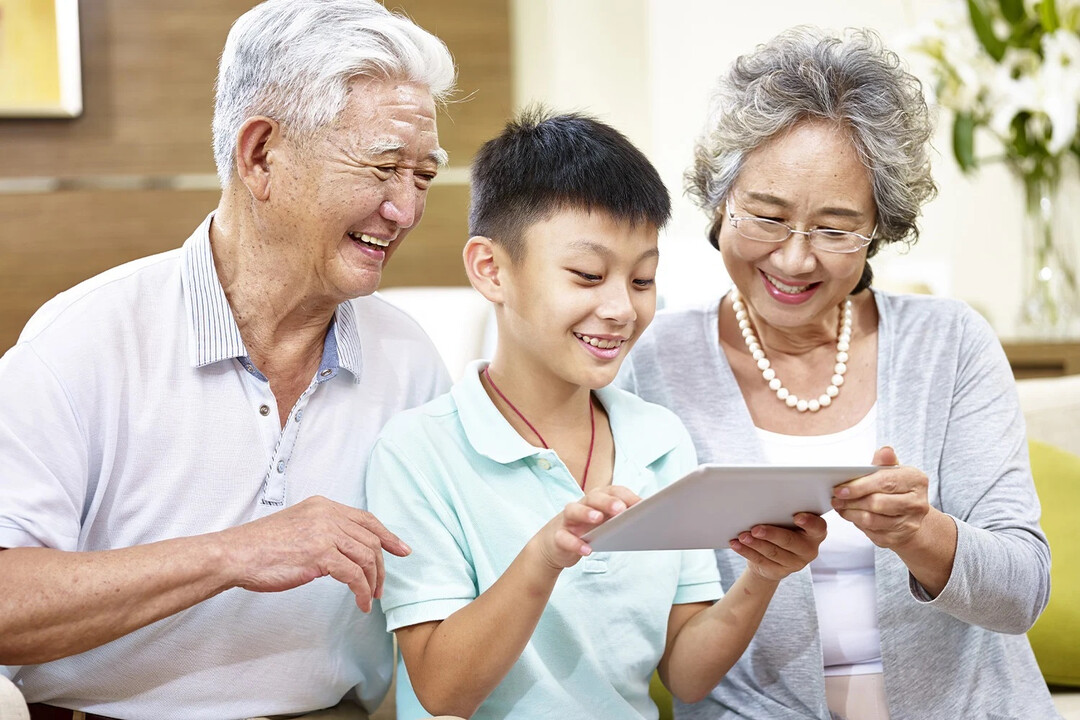
SEOUL, South Korea — A groundbreaking study suggests that the demanding role of caring for grandchildren, often perceived as a selfless act of family duty, may actually serve as a vital health resource for older women in South Korea, significantly lowering their risk of frailty.
The findings, published in the latest issue of the international academic journal Geriatrics and Gerontology International, challenge the notion that "second-round parenting" is solely a draining burden, instead presenting it as a source of physical and emotional vitality.
A Society of 'K-Grandmothers'
In South Korea, a rapidly aging society, it is not uncommon for a grandmother's day to revolve around childcare—managing kindergarten drop-offs and pick-ups, preparing meals, playing, and bedtime. This cultural norm, where grandmothers often assume the primary caregiving role, is key to the study's interpretation.
A joint research team from Yonsei University College of Medicine (Prof. Park Yoo-Jin), Gachon University Gil Medical Center (Prof. Hwang In-Chul), and Dongguk University (Prof. Ahn Hong-Yeop) analyzed data from 8,744 elderly participants in the Korean Longitudinal Study of Aging (KLoSA) over a period of up to 14 years, tracking the impact of grandparental care on the onset of frailty.
Frailty, distinct from normal aging, is defined as a state where physical functions rapidly deteriorate, increasing the risk of disability and hospitalization.
Lower Frailty Risk for Caregiving Grandmothers
The research compared a grandchild-caring group (431 people, 75.4% female) with a non-caring group (8,031 people). After adjusting for age, gender, BMI, chronic diseases, income, and lifestyle factors, the results were striking:
Women in the grandchild-caring group showed a 22% lower risk of developing frailty compared to their non-caring counterparts.
Men in the caregiving group also showed an 18% lower risk, though the finding was not statistically significant.
The Mechanisms of a 'Health Buffer'
The research team suggests that caring for grandchildren provides Korean older women with a crucial sense of meaning, purpose, and role in life, helping to maintain their physical and emotional vitality.
Specifically, this caregiving role seems to provide three key benefits:
Increased Physical Activity: Routine activities like taking the child to the clinic, preparing meals, and playing naturally increase walking and movement, contributing to muscle maintenance.
Emotional Support: The feeling of being needed acts as a major psychological pillar in old age.
Reduced Social Isolation: The regular interaction with grandchildren and contact with the adult children's generation (the parents) ensures sustained emotional connection and activity. Social isolation is one of the three core components of frailty (alongside exhaustion and grip strength decline), and it was significantly lower in caregiving grandmothers.
Caveats on Over-Care
While the results are encouraging, the researchers cautioned that the benefits are likely confined to a moderate level of care.
"If the caregiving time is excessive, or if it is undertaken out of a sense of obligation rather than willingness, it can lead to increased physical fatigue and stress, potentially harming health," noted Prof. Park Yoo-Jin.
The study concludes that when provided within a reasonable scope, grandchild care—a combination of emotional fulfillment and physical activity—emerges as a new health resource that can protect the aging body.
[Copyright (c) Global Economic Times. All Rights Reserved.]