![[등록] 2026-09-01 15:48:31](/support/_updata/banner2/tl181982910_6749.png)


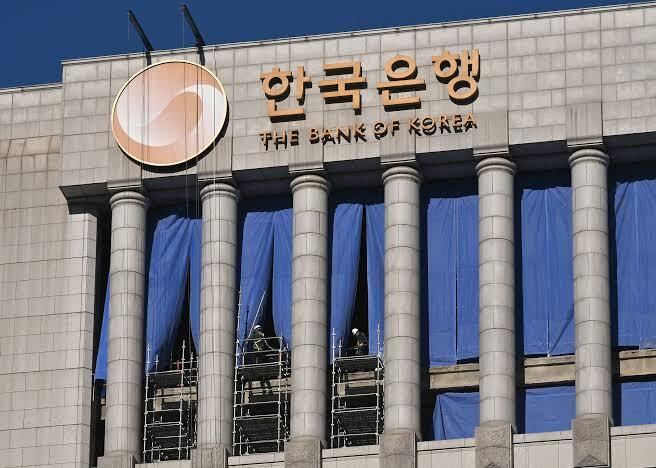
SEOUL — The Bank of Korea (BOK) has unveiled a comprehensive overhaul of its 30 trillion won ($21.8 billion) Bank Intermediary Lending Support Facility, marking the most significant structural reform to its small and medium-sized enterprise (SME) monetary policy toolkit in over a decade. The central bank announced on July 23 that its Monetary Policy Board officially passed a resolution aimed at enhancing policy flexibility, dismantling rigid sector-specific allocations, and channeling vital liquidity into regional commercial networks and high-performing small businesses.
Under the decision, while the overall facility ceiling will remain capped at 30 trillion won with a concessional benchmark interest rate of 1.25% per annum in the short term, the underlying architecture will undergo a fundamental transition. The central bank plans to streamline its existing framework into two primary pillars: the SME Credit-Linked Support Program and the Regional SME Support Program.
Shift to Dynamic, Credit-Linked Quotas
The centerpiece of the reform is the newly established SME Credit-Linked Support Program, scheduled for official implementation in the second half of next year. Unlike the legacy system—which earmarked funds for specific designated sectors regardless of macroeconomic fluctuations—the new system dynamically allocates bank lending quotas based on each commercial bank's quarterly net increase in total SME lending.
This dynamic mechanism enables the BOK to calibrate interest rates and loan quotas flexibly in direct response to evolving macroeconomic risks, credit supply crunches, or inflationary cycles. To maximize policy efficacy, the central bank will introduce performance-based incentives for participating financial institutions, rewarding top-performing lenders with expanded quota allocations and favorable interest rate spreads. Furthermore, the BOK revealed that it is actively reviewing plans to include internet-only banks as eligible participating institutions, modernizing the transmission mechanism for SME finance.
Currently, commercial bank loans tied to this central bank facility stand at 107.2 trillion won, representing approximately 9.5% of total SME loans across South Korea's commercial banking sector.
Revitalizing Regional Business Networks and Sunsetting Legacy Programs
Another key element of the reform is the targeted expansion of financial support for regional small and medium-sized enterprises, set to take effect in the first half of next year. The borrowing ceiling for the Regional SME Support Program has remained frozen at 5.9 trillion won since 2014, failing to keep pace with inflation and regional economic demands.
To fund the regional expansion, the BOK will systematically taper down its "Temporary Special Support for SMEs"—which was previously deployed during recent economic shocks—and redirect the recovered capital directly toward elevating the permanent ceiling for regional enterprise development. This rebalancing is expected to alleviate financing bottlenecks for businesses outside the Seoul metropolitan area, where credit conditions remain significantly tighter.
Conversely, older programs such as "Trade Finance Support" and "New Growth & Job Creation Support" will undergo phased reductions and eventual termination. BOK officials cited structural rigidity and overlapping mandates with specialized state-run policy lenders—such as the Korea Development Bank and Korea Credit Guarantee Fund—as primary drivers for sunsetting these legacy operations.
"The legacy framework suffered from structural rigidity as funding scales were fixed, limiting our capacity to respond flexibly to shifting macroeconomic conditions," explained Choi Chang-ho, Director General of the BOK’s Monetary Policy Department. "Moreover, it drew criticism for exercising quasi-fiscal functions by intervening in specific sector picks. This overhaul elevates overall policy flexibility to ensure macroeconomic stability."
[Copyright (c) Global Economic Times. All Rights Reserved.]